

Tooth Decay (Caries): How It Develops and Its Stages
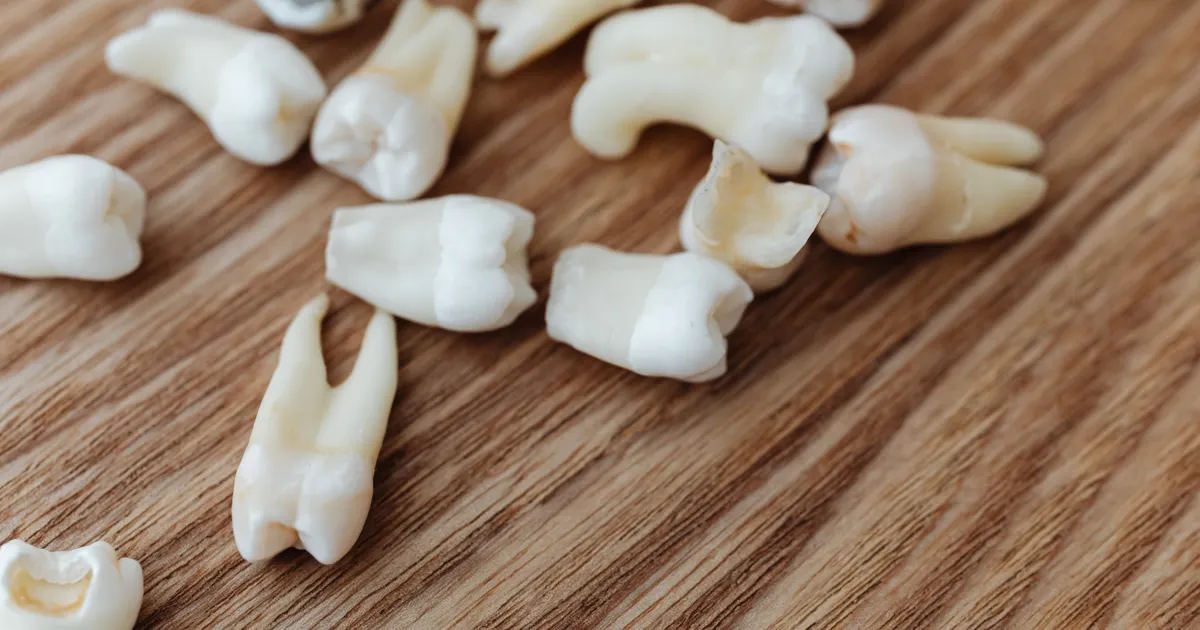
Tooth decay (caries) develops when plaque bacteria in the mouth turn dietary sugars into acid that gradually erodes the tooth enamel. The process develops in stages: first an invisible loss of minerals in the enamel, then enamel decay, dentin decay and finally deep decay reaching the pulp (nerve). The early stage is painless and can be caught with regular check-ups; the sooner it is detected, the simpler the treatment.
What does the research say? Modern cariology explains decay not as a hole but as a disruption of the balance between demineralisation and remineralisation (Nature Reviews Disease Primers, 2017). The ICDAS/ICCMS system clinically classifies the stages from the initial enamel change through to a cavity extending into dentin; according to the ADA's 2018 guideline, non-restorative approaches such as fluoride varnish and sealants are recommended at early, non-cavitated stages, while a filling is needed once a cavity has formed. Bitewing X-rays help to see decay between the teeth, but they do not show every early stage — the diagnosis is made together with a clinical examination. Related: Tooth decay treatment service · Can hidden decay be seen on an X-ray? · Types of dental fillings.
How does tooth decay develop?
Decay does not happen overnight — it is the result of repeated acid attacks:
- The bacteria that naturally live in the mouth "feed" on the sugar in food and drinks.
- This process produces acid.
- The acid draws minerals (calcium, phosphate) out of the tooth enamel — this is called demineralisation.
- Saliva and fluoride partly restore these minerals (remineralisation).
- When acid attacks occur more often than remineralisation, the enamel weakens and decay begins.
In other words, decay is directly linked to how often sugar is consumed and to oral hygiene.
The stages of decay
1. Early mineral loss (white spot)
The first change in the enamel — it may appear as a dull white spot. At this stage there is still no cavity, and with fluoride and good hygiene it can be reversed.
2. Enamel decay
Mineral loss continues, the enamel surface breaks down and a small cavity forms. There is usually no pain at this stage, but treatment (a filling) is needed.
3. Dentin decay
The decay reaches the softer layer beneath the enamel — the dentin — and spreads more quickly. Sensitivity to hot, cold or sweet foods may begin.
4. Pulp (nerve) inflammation
When the decay reaches the nerve and blood vessel tissue inside the tooth, severe pain, inflammation and infection can develop. At this stage root canal treatment is often needed.
5. Abscess (pus-forming infection)
If left untreated, the infection can form an abscess at the tip of the root — a situation that requires urgent dental care.
What are the signs?
- In the early stage there may be no signs at all — which is why check-ups matter.
- Sensitivity to hot/cold/sweet.
- A visible spot, stain or hole in the tooth.
- Pain when chewing.
- Persistent toothache (usually a late stage).
How is it treated?
Treatment depends on the stage:
- White spot stage: remineralisation through fluoride application and improved hygiene.
- Enamel/dentin decay: the decayed tissue is cleaned away and a filling is placed.
- Deep decay (pulp): root canal treatment and often a crown.
- Severely broken-down tooth: sometimes tooth extraction and subsequent restoration are considered.
The treatment plan is only confirmed after an examination and, where needed, X-rays.
Prevention
- Brush twice a day with fluoride toothpaste and use dental floss.
- Reduce how often you have sugary foods and drinks (frequency matters as much as quantity).
- Schedule regular professional cleaning and check-ups.
- Support your saliva flow (drink water; discuss dry mouth with your dentist).
Questions and Answers (FAQ)
Does tooth decay go away on its own? At a very early stage (white spot), mineral loss can be partly reversed with fluoride and good hygiene. However, once a cavity has formed in the enamel or dentin, decay does not heal on its own and requires treatment by a dentist.
If my decayed tooth does not hurt, do I still need treatment? Yes. Decay often starts painlessly, and pain only appears once it comes close to the nerve. Early treatment is simpler and preserves the tooth; waiting allows the problem to grow.
Is sugar the only cause of decay? Sugar is the main factor, because bacteria turn it into acid. However, frequency, oral hygiene, saliva flow and fluoride exposure also play a role. Having small amounts of sugar but very often is particularly risky.
How can tooth decay be prevented in children? Proper brushing with fluoride toothpaste, cutting down on sugary drinks, fissure sealants (where needed) and regular check-ups all help. The health of baby teeth also matters for the permanent teeth.
Clinical note: This article is for general information and does not replace individual advice from your dentist. If you suspect tooth decay or have sensitivity, book an appointment or contact your dentist.
Sources: Peer-reviewed dental literature on cariology and preventive dentistry. The clinical content is based on Dr. Nuran's experience.
Sources
- Dental caries — Nature Reviews Disease Primers, 2017
- International Caries Detection and Assessment System (ICDAS) and its International Caries Classification and Management System (ICCMS) — Community Dentistry and Oral Epidemiology, 2013
- Evidence-based clinical practice guideline on nonrestorative treatments for carious lesions: A report from the American Dental Association — Journal of the American Dental Association, 2018 (ADA)
This article is for general information only and does not replace an individual diagnosis, examination or treatment. Consult a doctor for a decision about your case.