

Blog
Reliable, easy-to-understand explanations about dental treatment, implants and digital diagnostics — based on Dr. Bakhtiyar's experience.
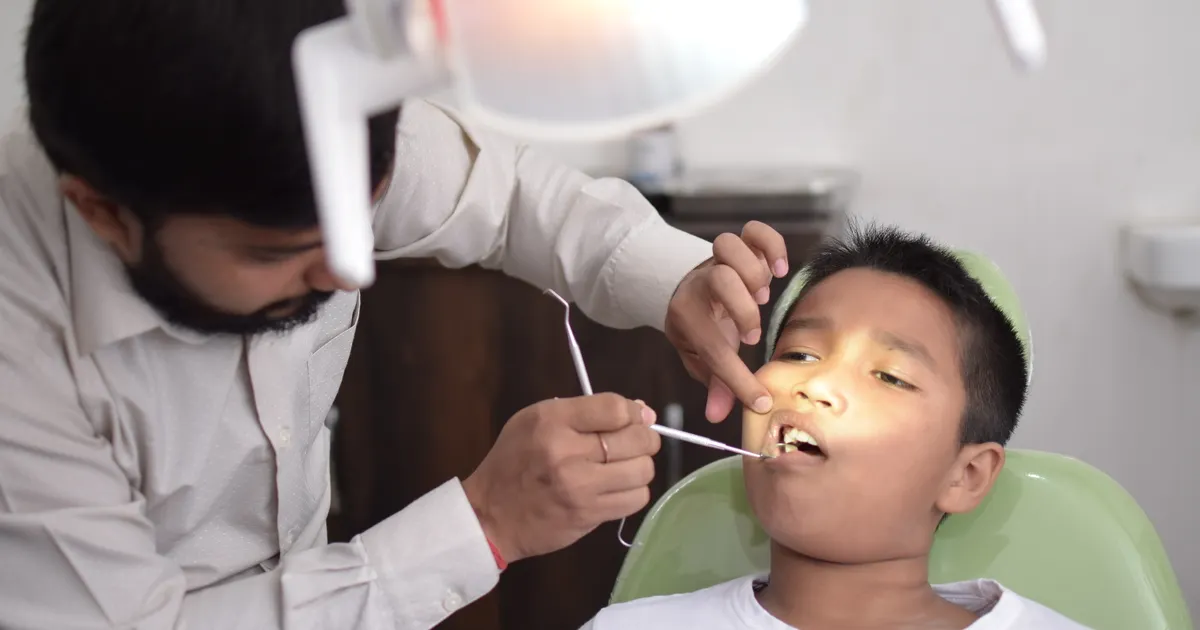
When and how should a child have their first dental visit?
The first dental visit is recommended after the first tooth appears, by the first birthday. Why so early, what happens at the visit and how to prepare your child?
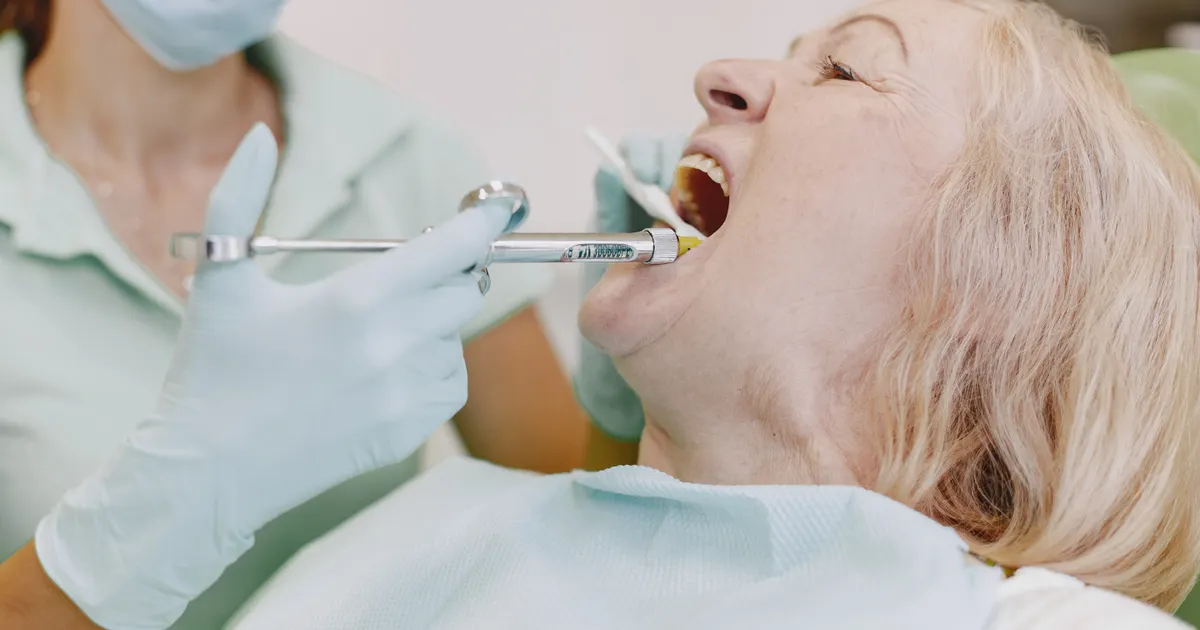
Fear of the dentist: where does it come from and how is it managed?
Around 18% of adults experience high levels of dental anxiety. The causes, practical ways to reduce it and when sedation is discussed as an option.
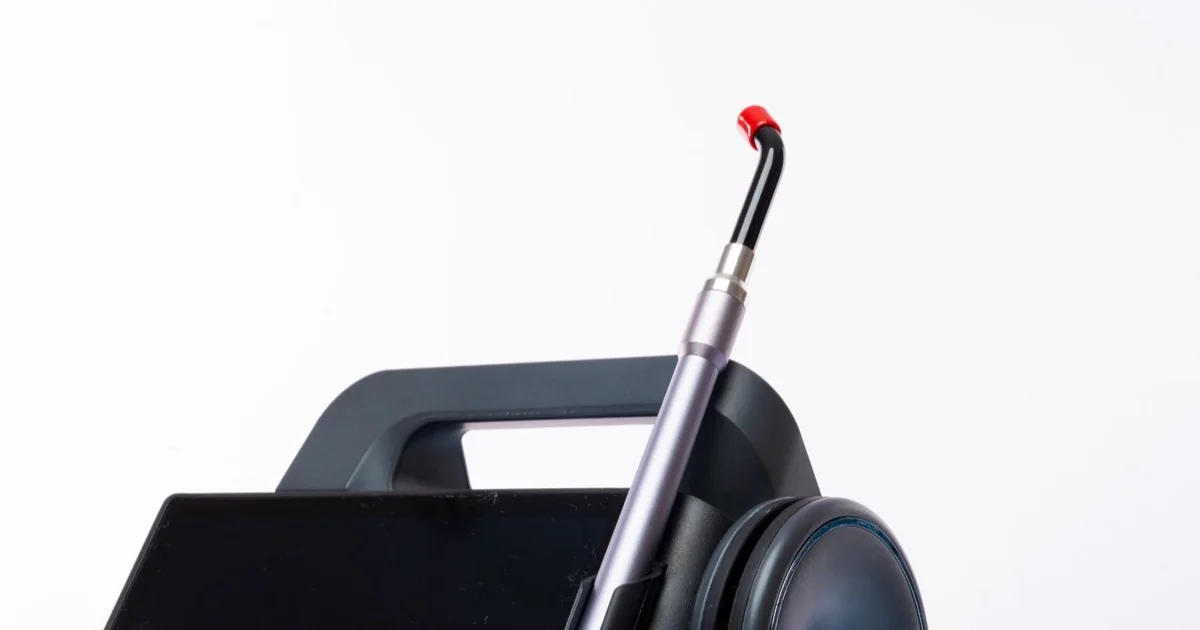
What is a diode laser used for in dentistry?
A diode laser is used for bleeding-free gum incisions, pocket disinfection and support during root canal treatment. What it can do, what it does not replace — a balanced explanation.
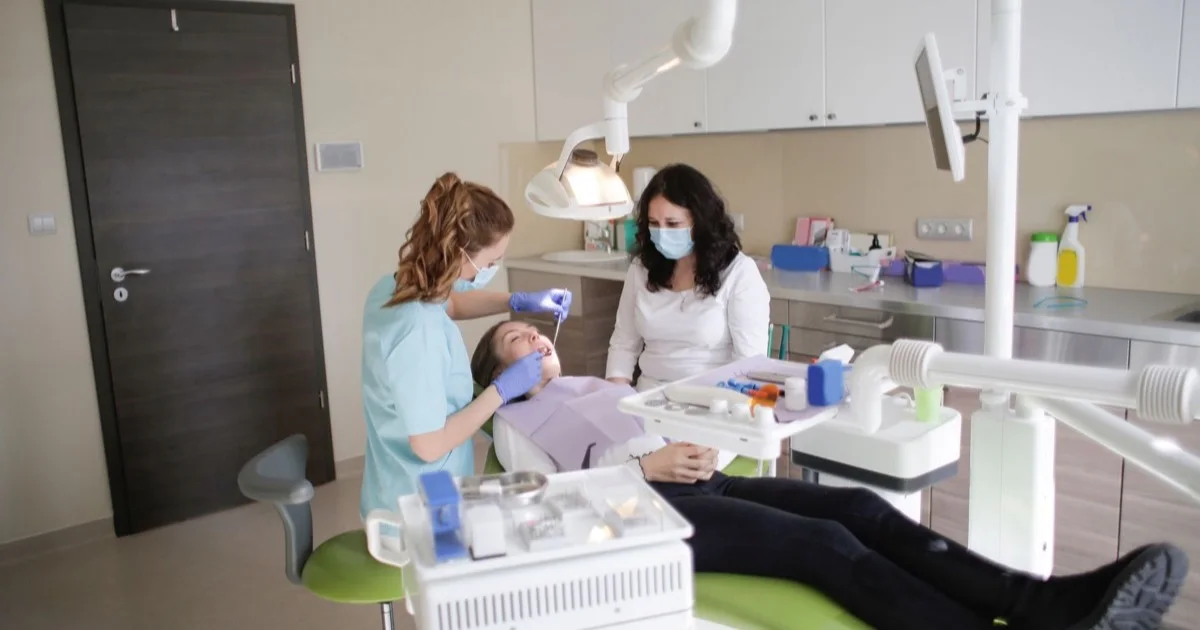
What is Air Flow cleaning and how does it differ from ordinary tartar removal?
Air Flow is the removal of tea, coffee and smoking stains with a jet of air, water and fine powder. How it differs from ultrasonic cleaning, its effect on enamel and who it suits.
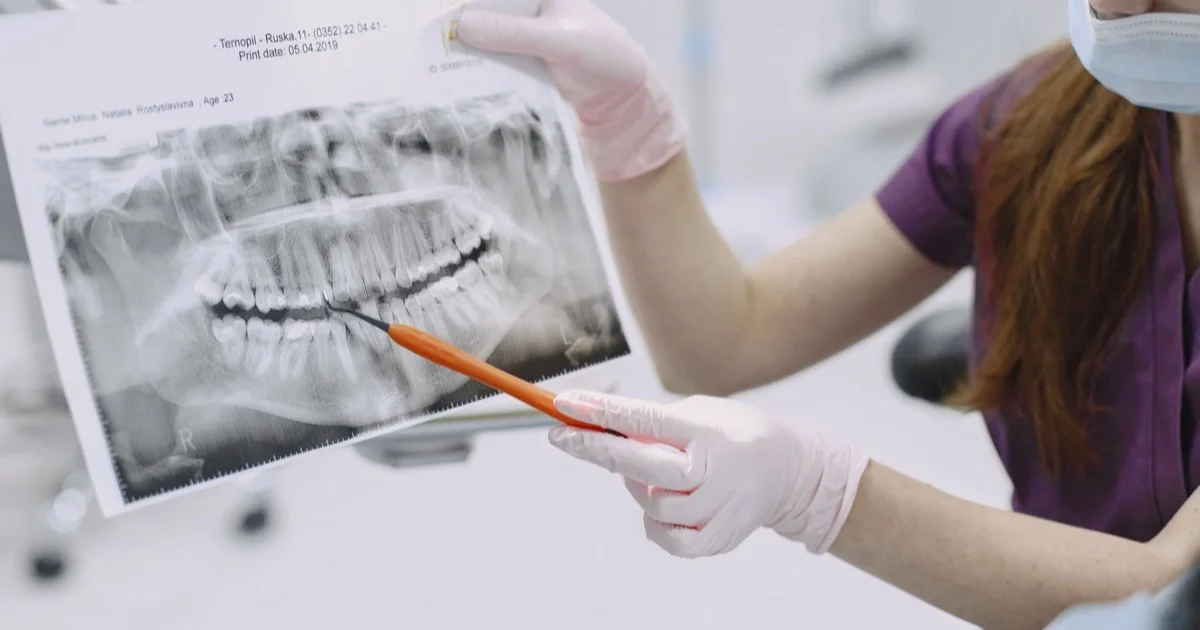
SDI Jaw Tracker: why is a digital recording of jaw movement needed?
SDI Jaw Tracker (SDI Matrix) digitally records the movement path of the lower jaw. What does it measure, what does it add to splint and prosthesis planning, and what are its limits?
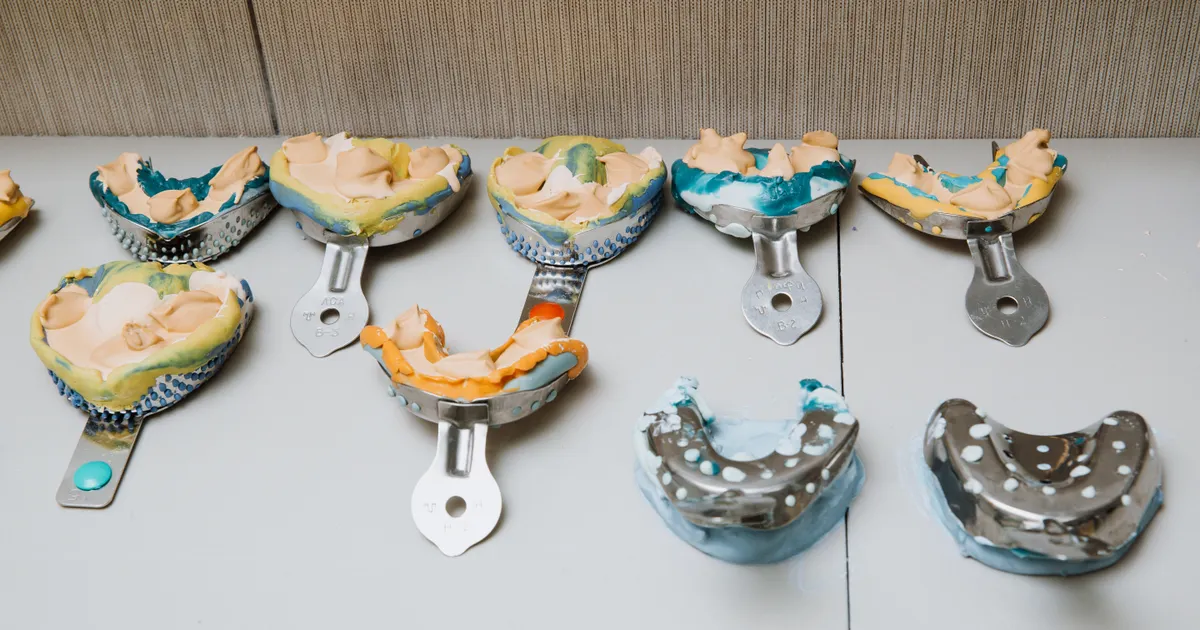
3Shape TRIOS intraoral scanner: how does a digital dental impression work?
The 3Shape TRIOS intraoral scanner captures a colour 3D model of the teeth with no impression paste. How it works, where it is used and how accurate it is.
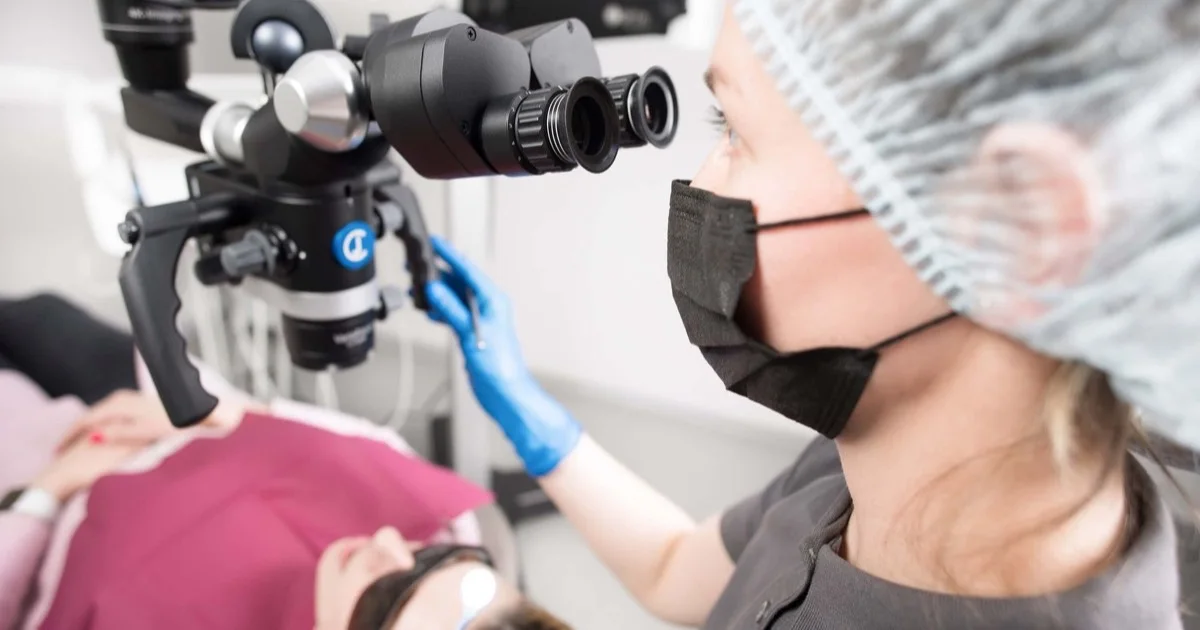
What is a dental microscope and what does it change in dental treatment?
A dental (surgical) microscope magnifies the working area many times over: hidden canals, cracks and precise margins become visible. What does it change in root canal treatment and surgery?
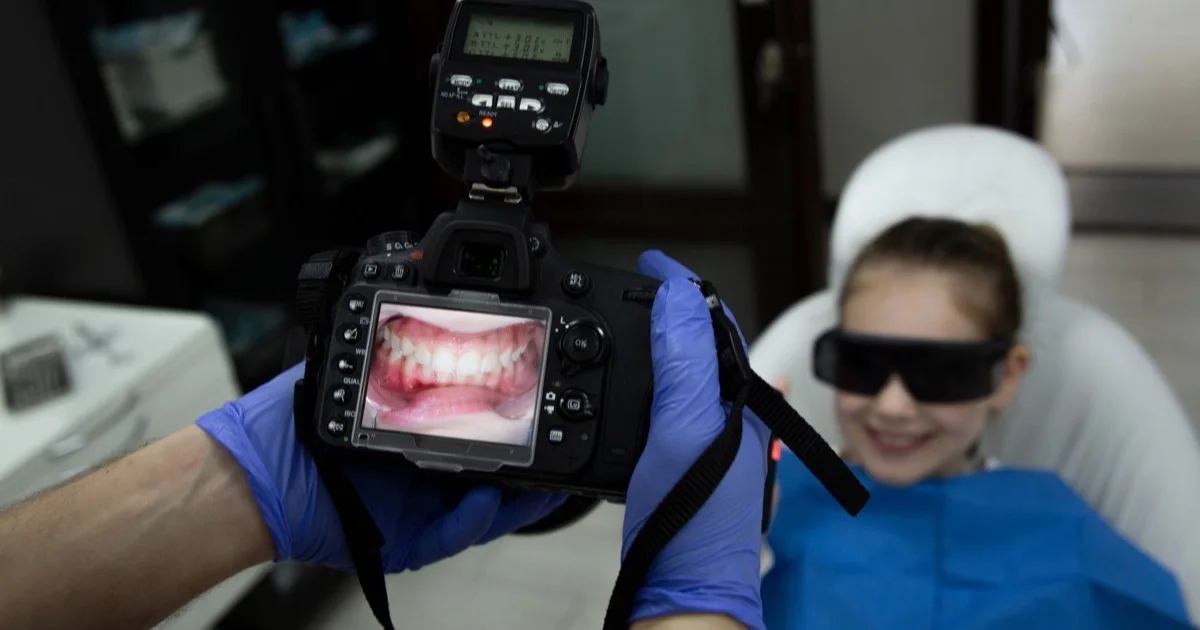
Why is dental photography important in treatment planning?
Dental photography is used for diagnostic documentation, smile design, communicating shade and shape to the laboratory, and monitoring treatment. How is the protocol set up?
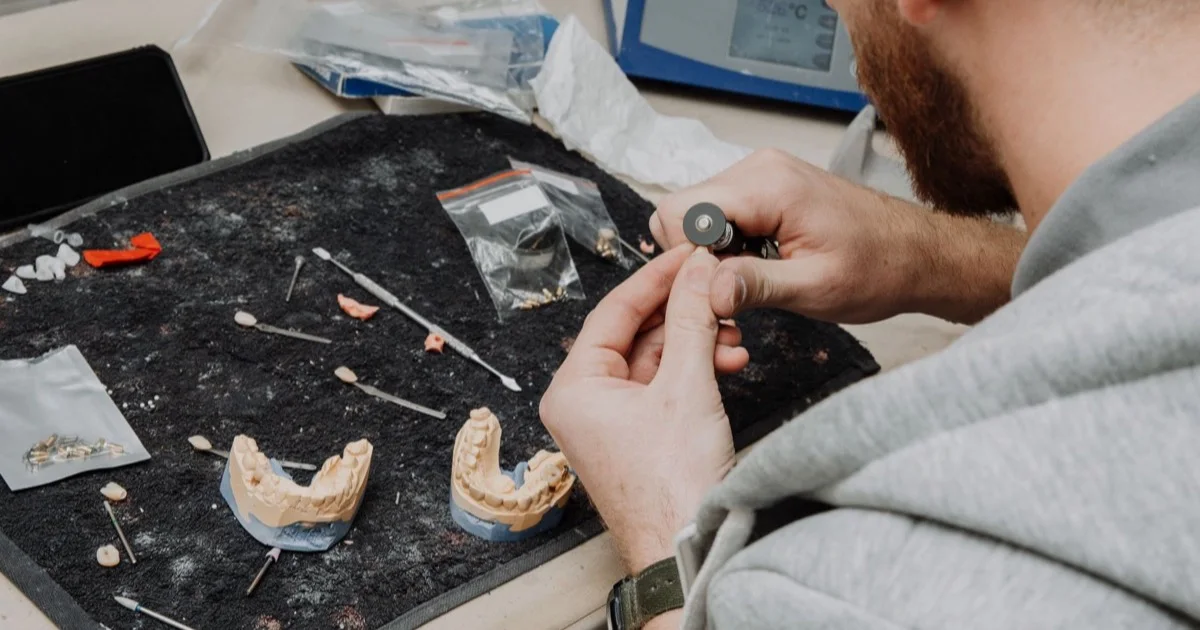
Screw-retained or cement-retained implant crown: which one is chosen and when?
The difference between a screw-retained and a cement-retained implant crown: residual cement risk, repairability, aesthetics, 5-year survival. Which design is chosen in which case.
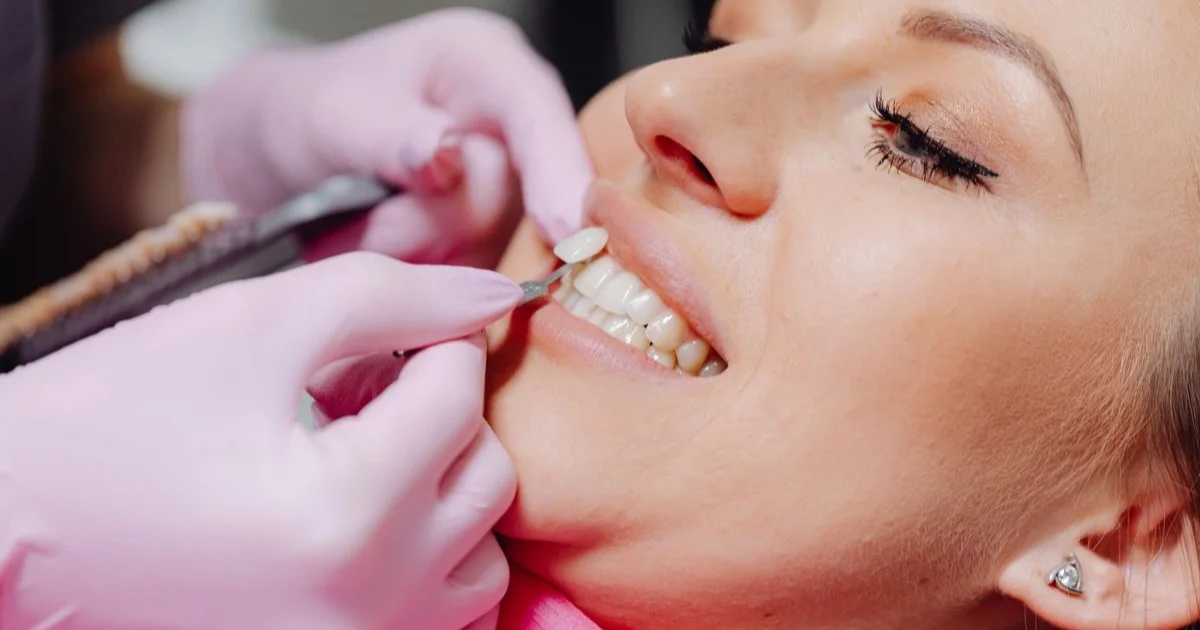
Veneer or crown: which one should you choose for a front tooth?
Veneer or crown? The choice depends on how much healthy tooth structure is left, on root canal treatment, a large filling and a crack. With a comparison table and a decision guide.
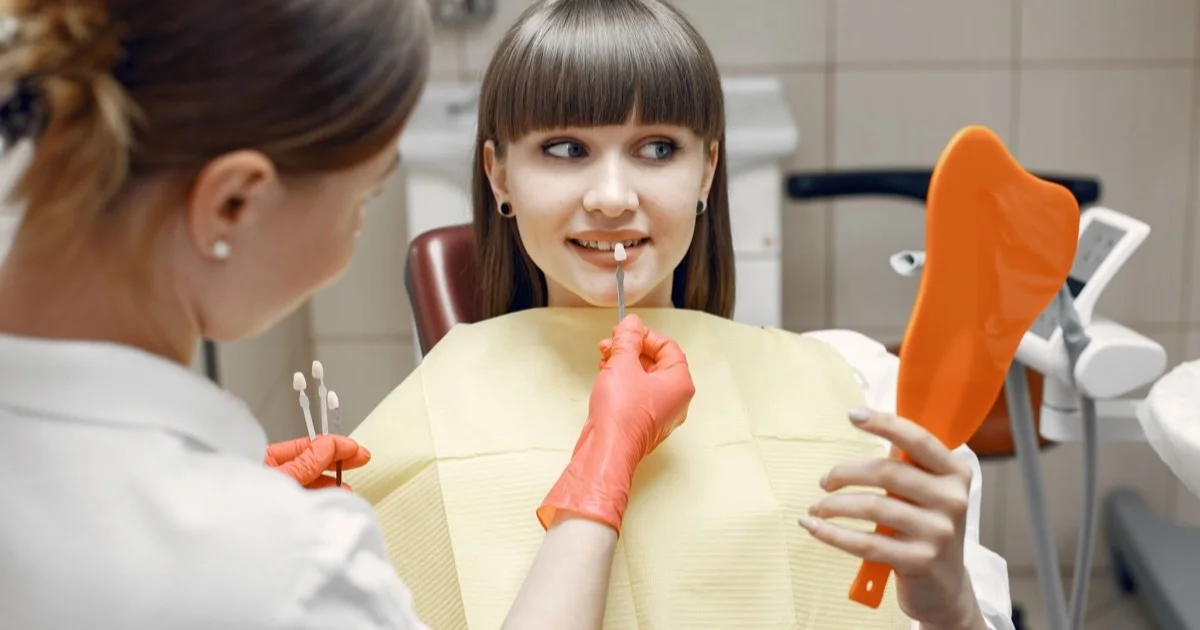
Does a tooth have to be trimmed for a veneer? No-prep, minimal and classic preparation
Does a tooth always have to be trimmed for a veneer? The difference between no-prep, minimal and classic preparation, how many millimetres are removed, who can have no-prep and why it is irreversible.
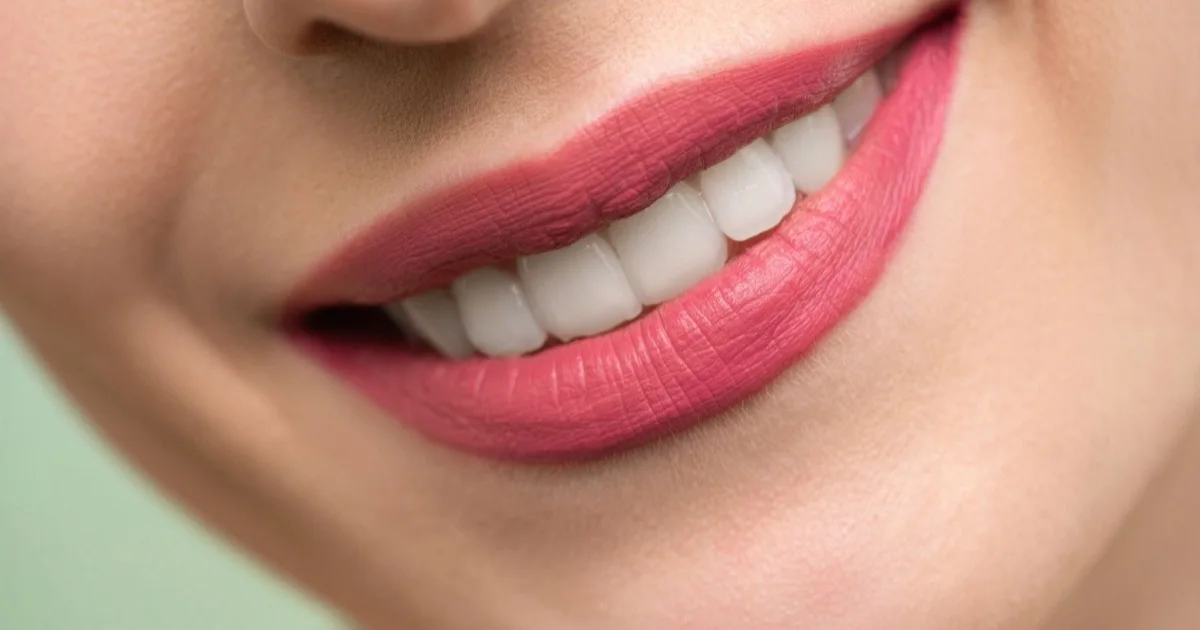
What is a veneer and when are veneers placed on teeth?
A veneer is a thin ceramic or composite layer bonded to the front surface of a tooth. Types, which problems it suits, who it is not recommended for and how the process works.
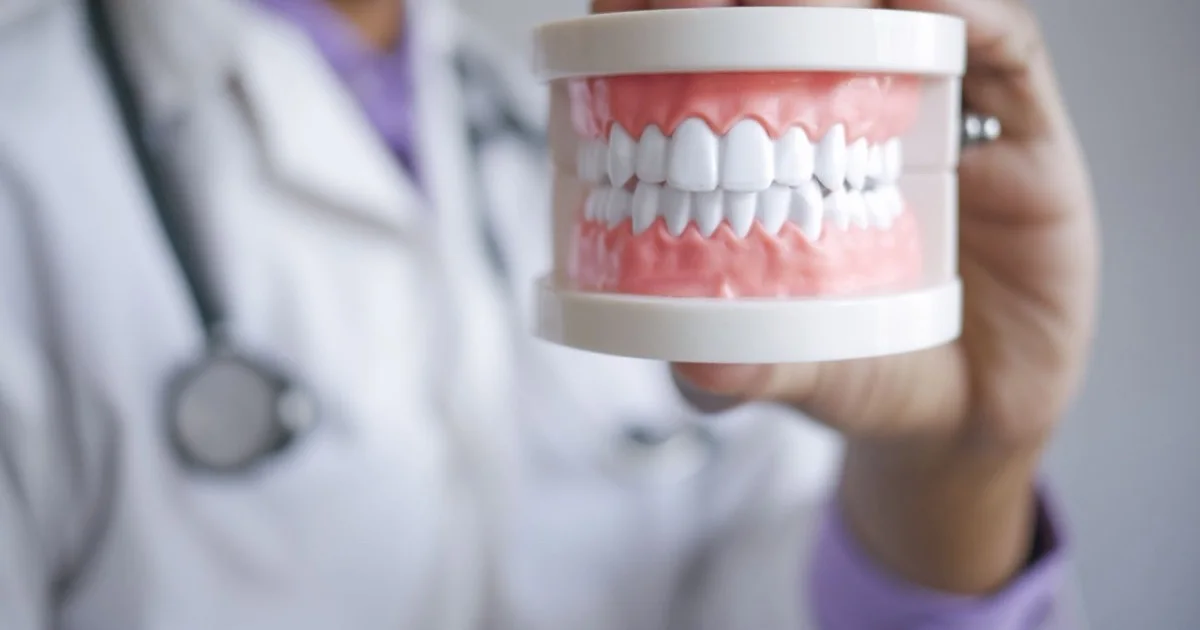
How long do veneers last? Factors affecting their lifespan and when they need replacing
How long do ceramic veneers last? Figures from long-term studies, factors that shorten their lifespan (bruxism, dentin, margins), when they are replaced and how to protect them.
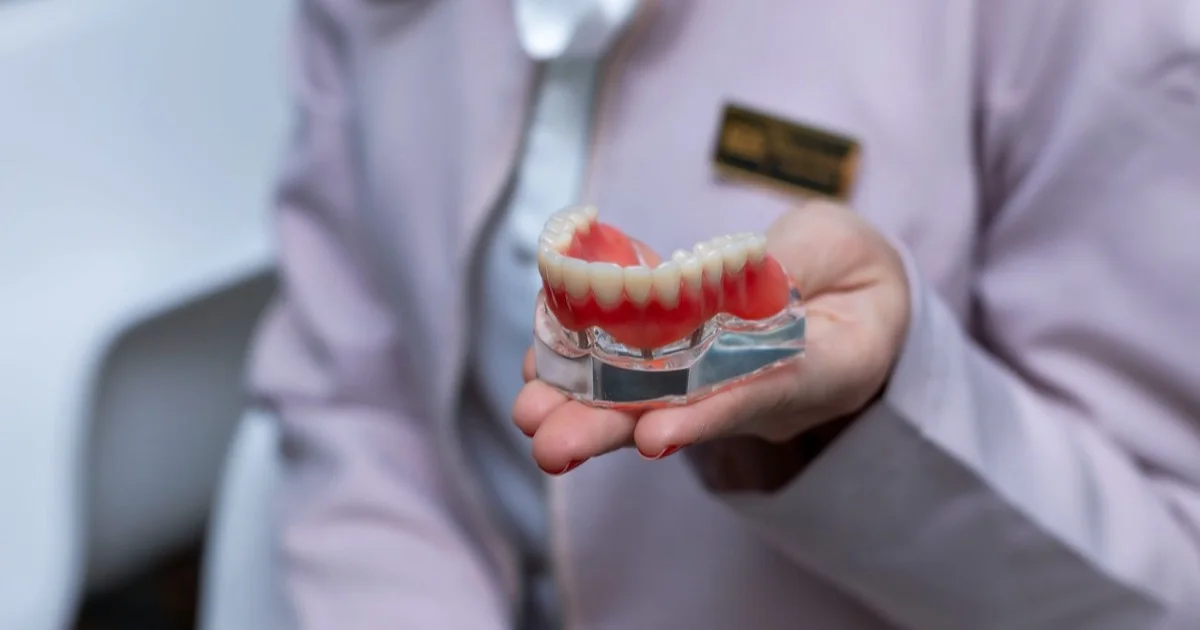
What is vertical dimension (VDO) and why does it matter in worn teeth?
What occlusal vertical dimension (VDO) is, why it does not always decrease with tooth wear, how it is measured and when it needs to be increased — a simple, research-based explanation.
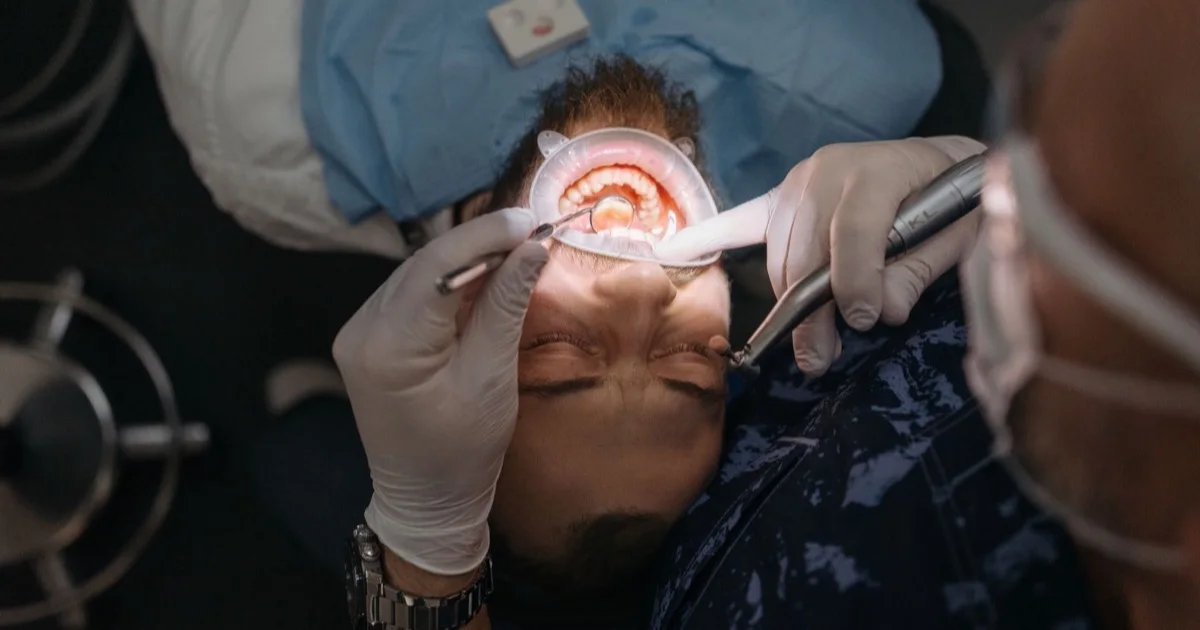
Splint therapy for the TMJ: what is an occlusal splint and who does it help?
What an occlusal splint (TMJ appliance) is, the difference between stabilisation and repositioning splints, how it works, who it suits, how to use it and its limitations.
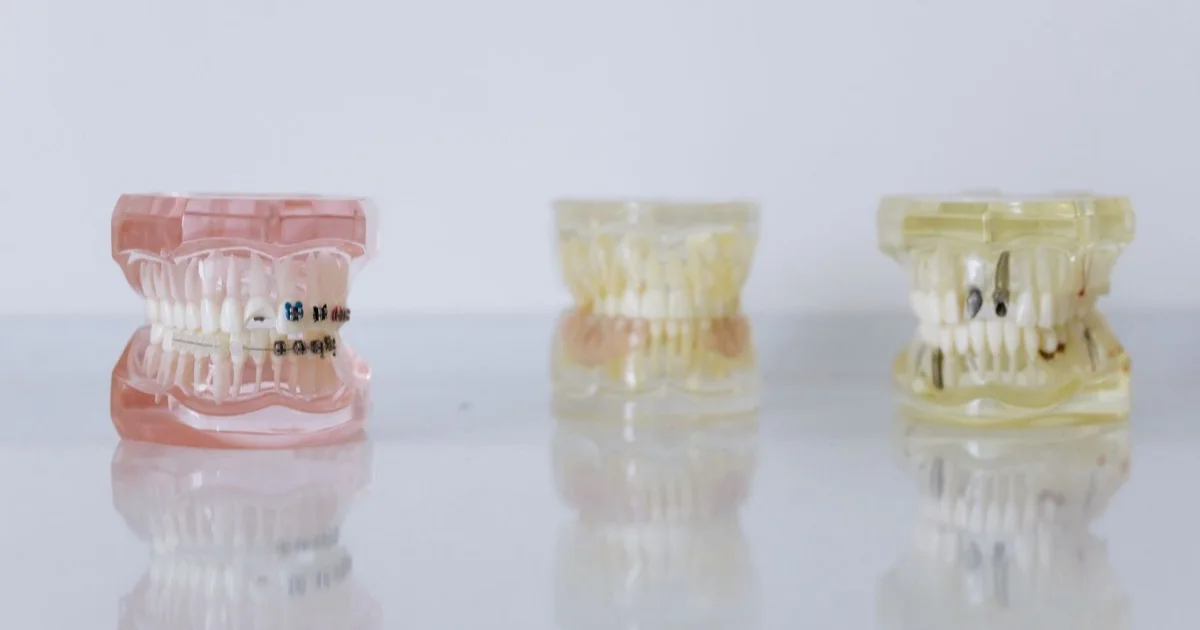
One implant per tooth or multiple implants: how to choose a strategy when several teeth are missing
With 2-4 missing teeth, is it one implant per tooth or a bridge on two implants? Implant number, position, splinted crowns, cantilevers, survival and the price-risk balance.
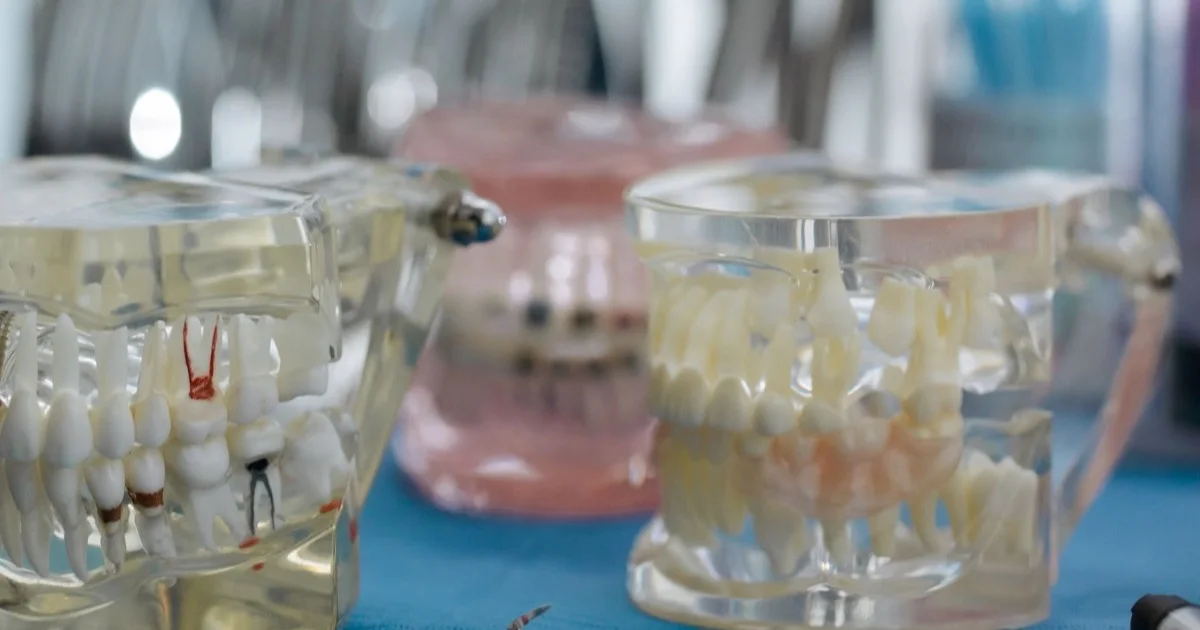
How is implant treatment planned in a fully edentulous jaw: removable denture, overdenture or fixed prosthesis?
Three routes for a fully edentulous jaw: a conventional removable denture, an overdenture on 2-4 implants, and a fixed implant prosthesis. Who suits which, and how is the plan built?
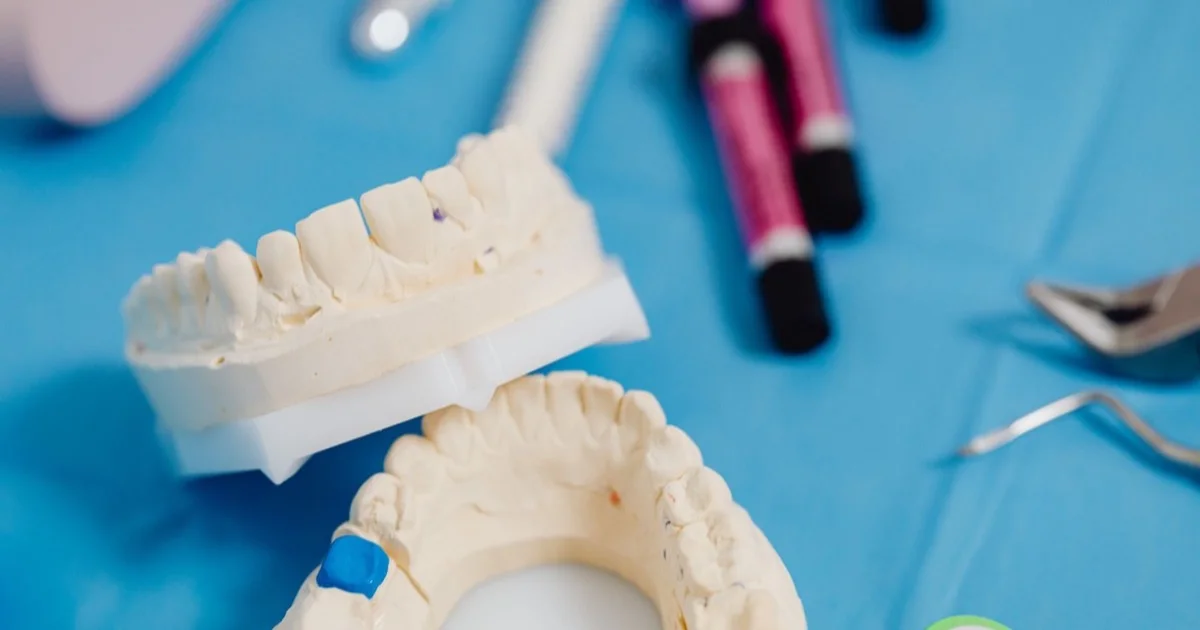
What is full-mouth aesthetic rehabilitation?
Full-mouth aesthetic rehabilitation: assessing every tooth in cases of worn, decayed and missing teeth, choosing materials, the sequence of stages and the link with smile design.
What happens after splint therapy? Outcome, relapse and next steps
What to expect once splint therapy ends: how long the result lasts, why relapse happens, monitoring, and when orthodontics or a prosthesis is needed.

How do smoking, diabetes and general health affect implant outcomes?
How smoking, diabetes, osteoporosis, a history of periodontitis and bruxism affect the outcome of a dental implant, and what can be done to reduce the risk.
What is a sinus lift and when is it needed?
What a sinus lift is, why it is done in the upper jaw, the difference between the lateral and crestal techniques, healing time, risks and alternatives, explained by a dentist.
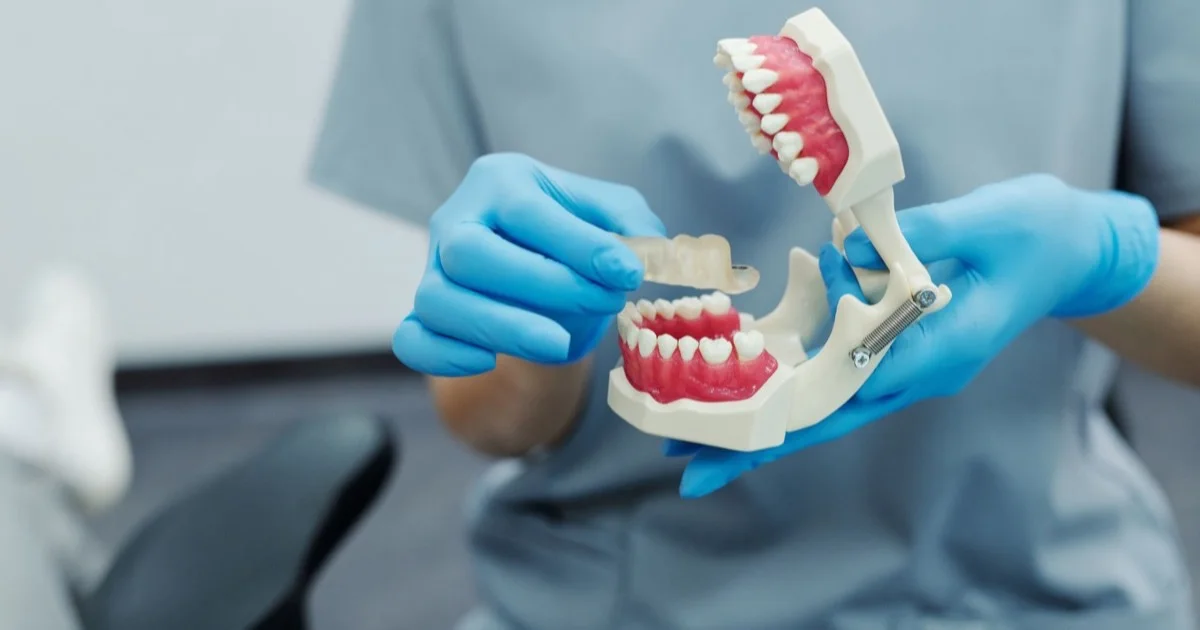
What is centric relation and how does it differ from maximum intercuspation?
What centric relation (CR) is, how it differs from maximum intercuspation (MIP), why it is needed in prosthodontic and bite planning, and how it is recorded — a simple explanation.
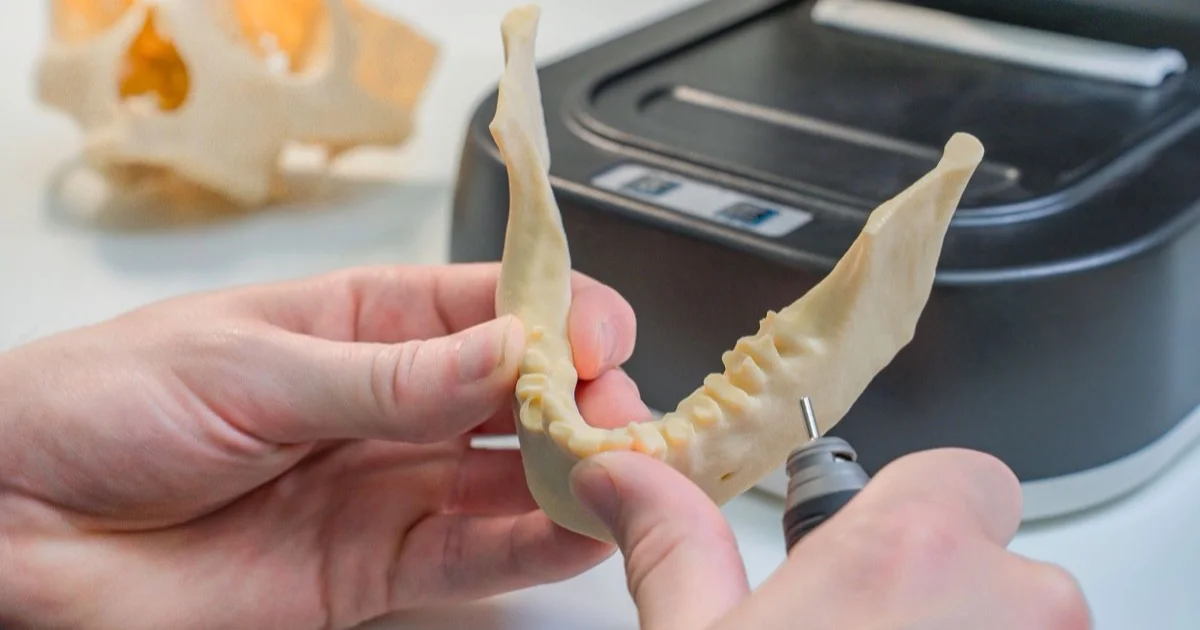
What is digital prosthodontics and how does it differ from the classic method?
Digital prosthodontics: intraoral scanning, CAD design, milling and 3D printing compared with the classic impression-plaster-laboratory workflow — accuracy, time, comfort and limitations.
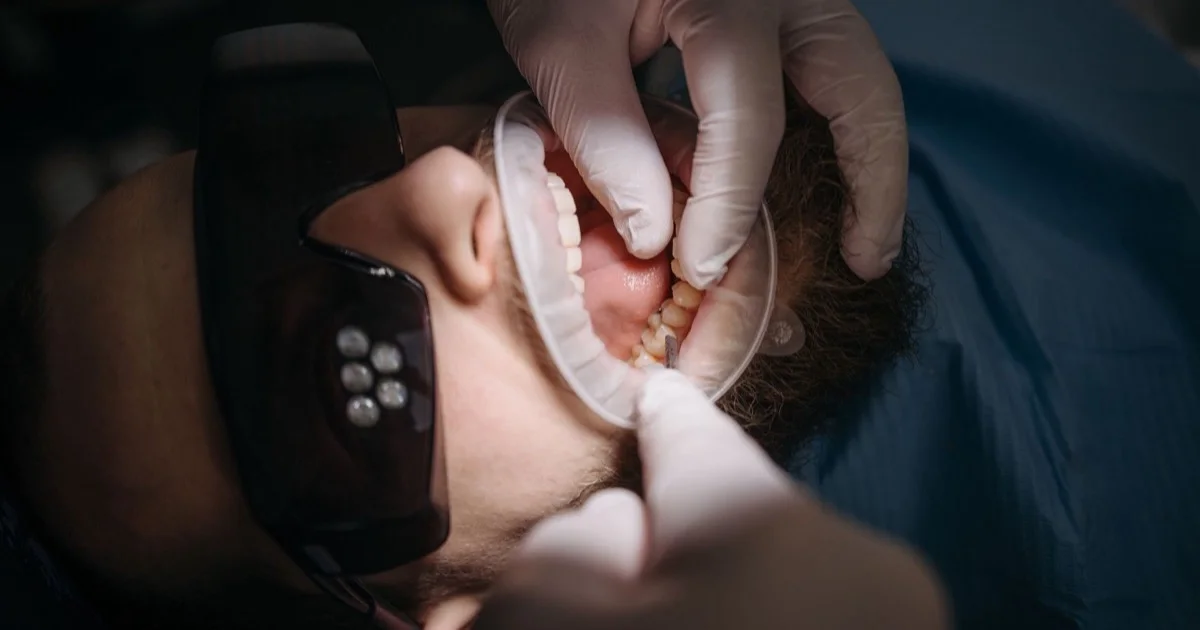
What is peri-implantitis and why does inflammation develop around an implant?
Peri-implantitis is inflammation and bone loss around an implant. Causes, how it differs from peri-implant mucositis, signs, diagnosis, treatment and prevention.

Braces or clear aligners: which option suits which case?
Braces vs clear aligners: looks, hygiene, discipline, tooth movements and check-ups — which option suits which case, explained by orthodontist Dr. Maharram.

Aesthetic restoration of front teeth: which method for which problem?
Aesthetic restoration of front teeth: whitening, composite bonding, veneers, crowns, orthodontics and gum contouring — which method suits which problem. Comparison table.
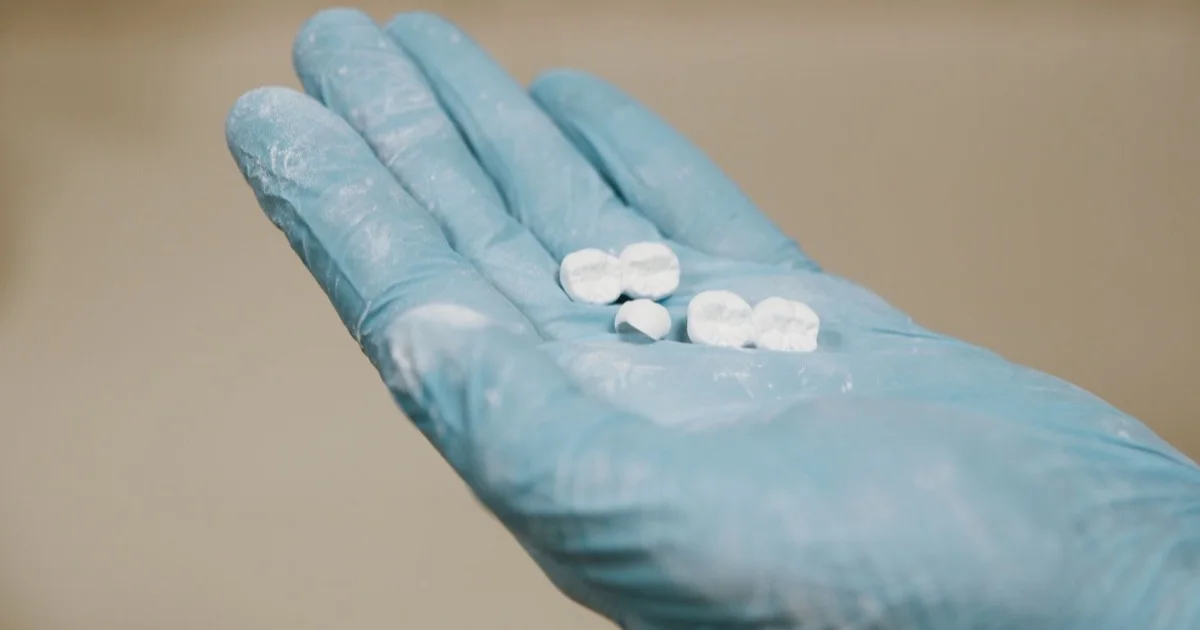
Monolithic or layered zirconia: which is chosen when?
Monolithic vs layered zirconia crowns: chipping risk of the outer ceramic, aesthetics, tooth reduction, wear and how the choice is made.
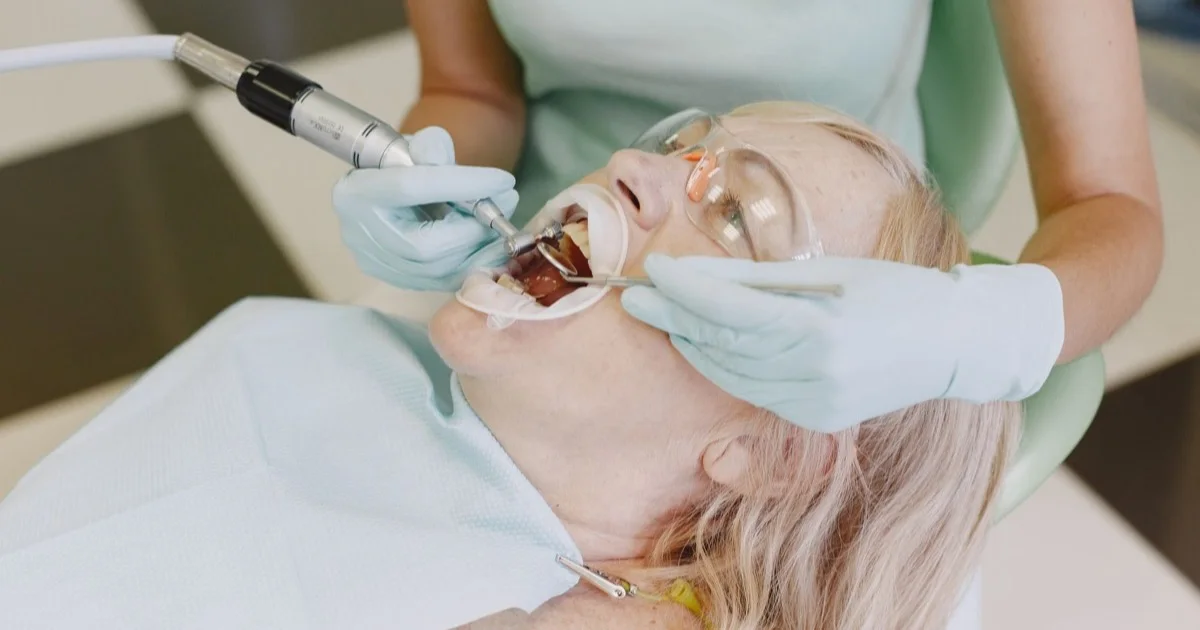
When do old crowns need to be replaced?
The real reasons for replacing an old crown: a marginal gap, decay under the crown, gum recession, a crack, aesthetics. When it is fine to wait and how the assessment is carried out.
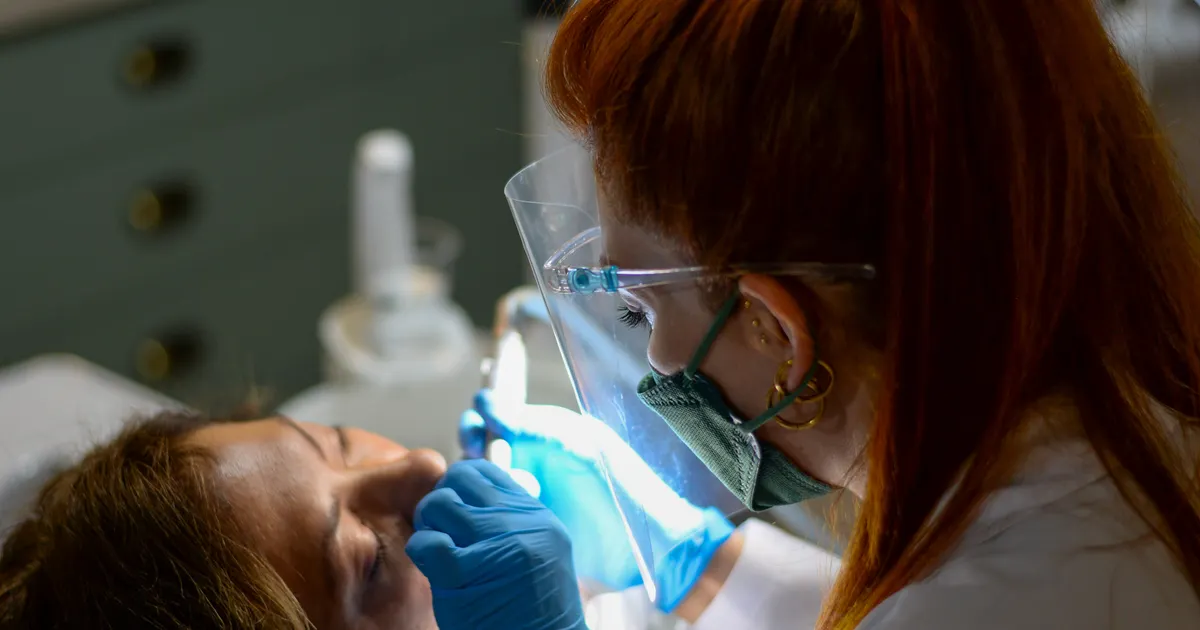
Is root canal treatment painful?
Why root canal treatment usually feels painless, why the tooth hurts beforehand, how long soreness lasts afterwards and when to see your dentist — Dr. Saig.
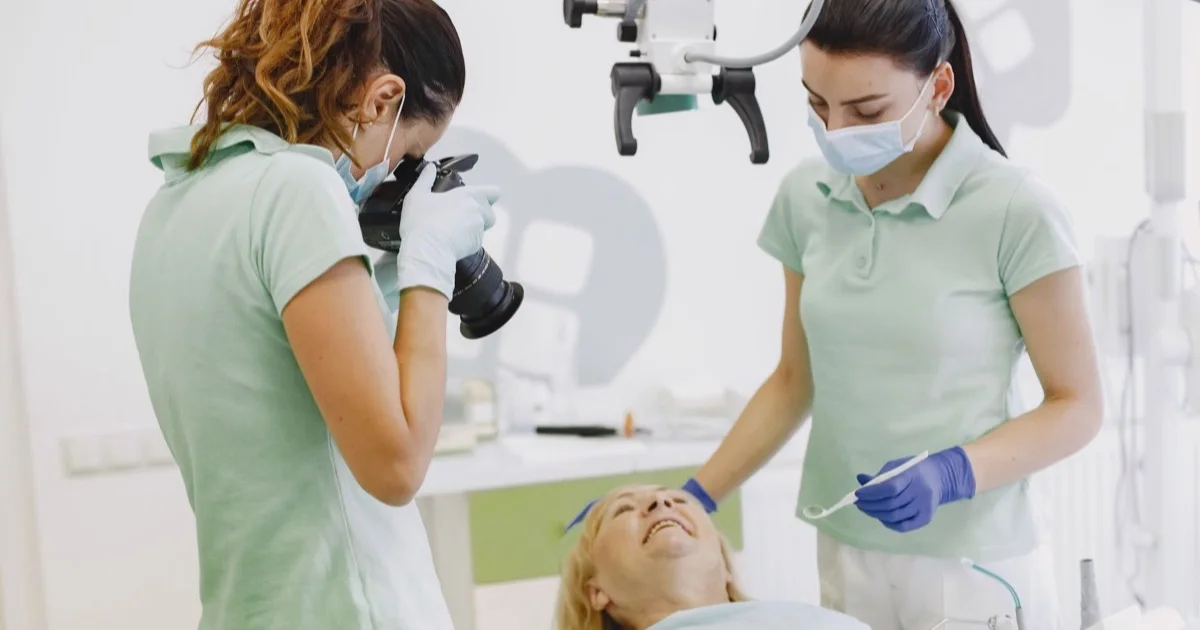
How to choose an implantologist? Key criteria for patients
What to look for when choosing an implantologist: education and continuing training, 3D planning, a transparent treatment plan, the team, follow-up and questions to ask.
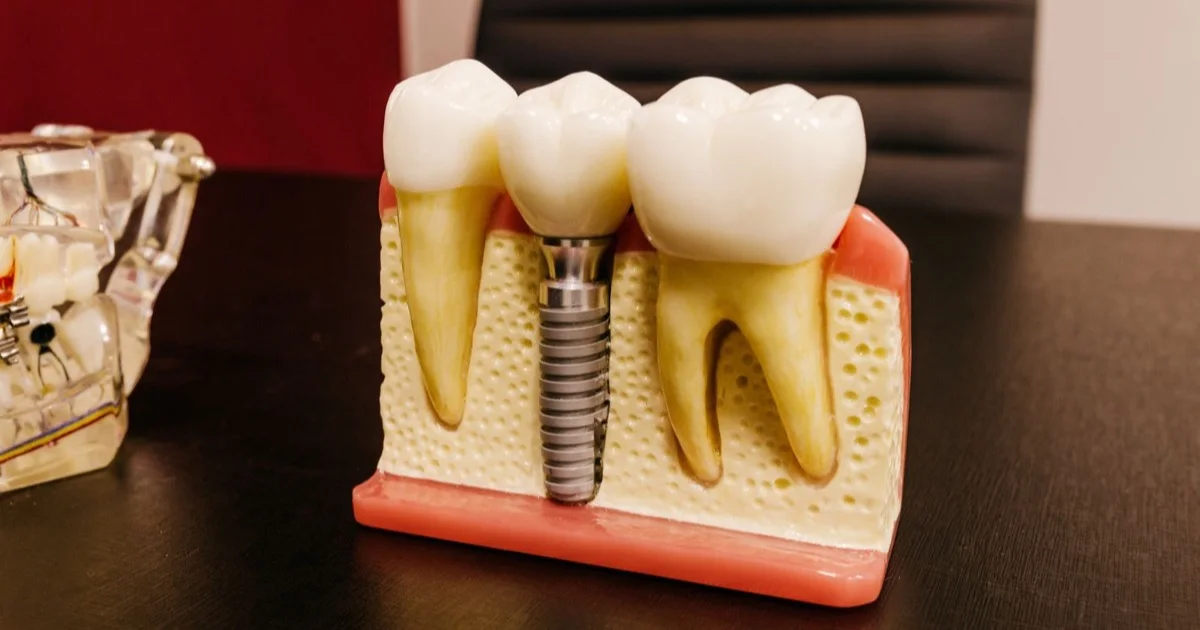
The 3D position of an implant: what does restoration-driven planning mean?
Where an implant should sit: mesio-distal, bucco-lingual and apico-coronal position rules, why the future tooth is designed first and why a surgical guide is needed.
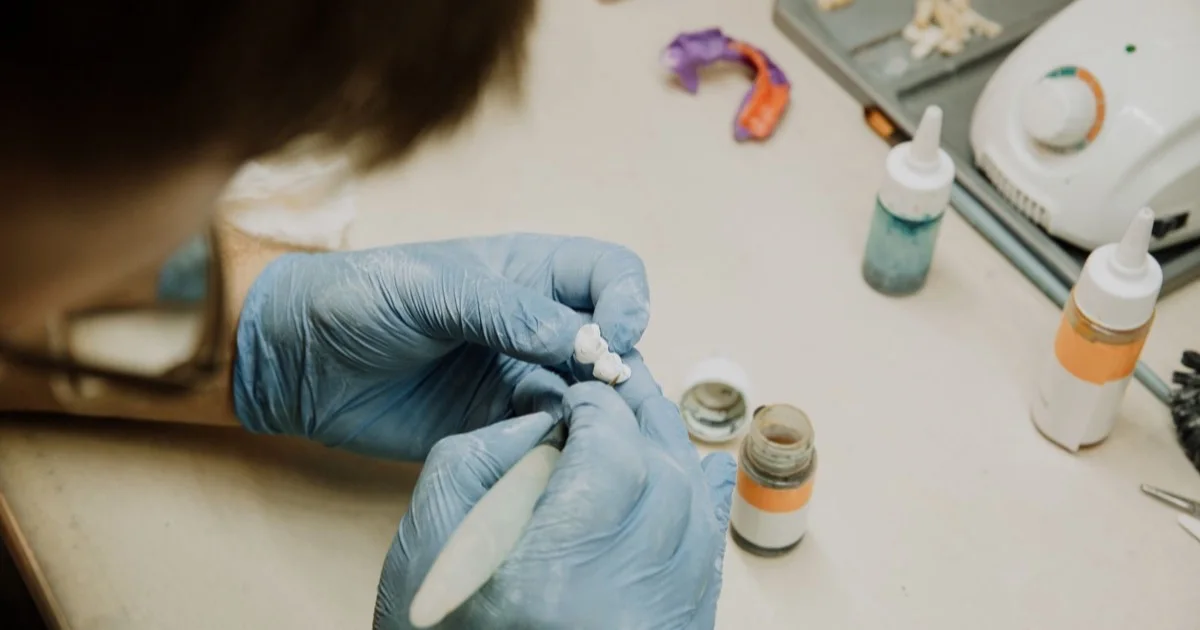
Implant-supported prosthesis: zirconia, metal-ceramic or temporary PMMA? Screw-retained vs cement-retained
Which crown goes on an implant: monolithic zirconia, metal-ceramic, temporary PMMA or hybrid? The difference between screw-retained and cement-retained, plus selection criteria.
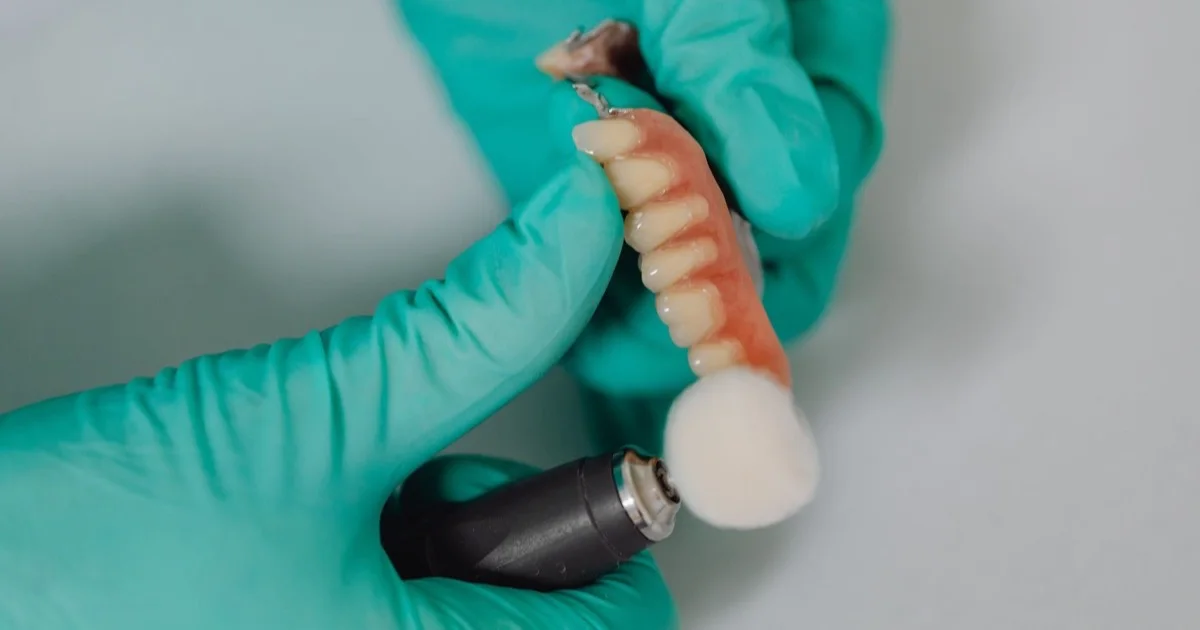
Straumann, MegaGen and NeoBiotech implant systems: what are the differences?
Straumann BLT, MegaGen AnyRidge and NeoBiotech implant systems compared by design, surface, connection, evidence base and price: an objective comparison and the logic behind the choice.
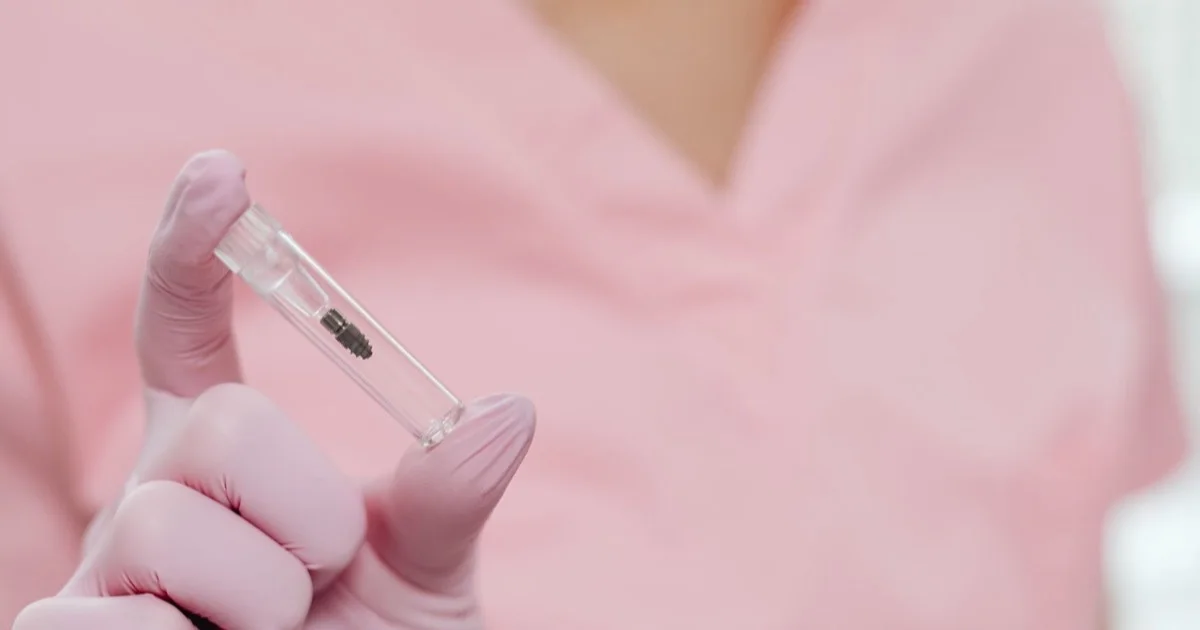
What should you look for when choosing an implant system?
How to assess scientific evidence, follow-up duration, surface and connection design, availability of components, dentist experience and warranty when choosing an implant system.
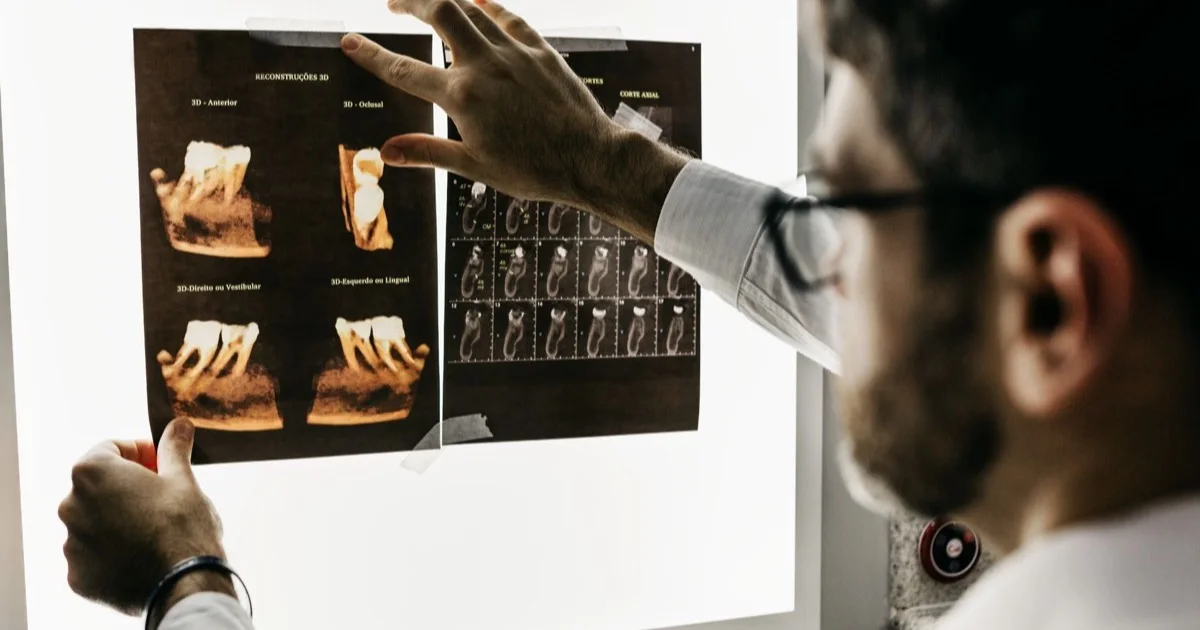
Bone loss around an implant: normal remodelling or a problem?
The difference between physiological remodelling in the first year at the implant neck and progressive bone loss, its causes, X-ray monitoring and when to be concerned.
Gum aesthetics around implants: thin and thick gums, papilla and grafting
Why gums recede around implants, what thin and thick biotypes mean, and when a connective tissue graft and shaping with a temporary crown are needed.

The first days after implant surgery: what to expect and what to do
The first 24 hours and first 7–14 days after implant surgery: normal swelling, what to eat, cleaning, smoking and when to call the clinic — Dr. Bakhtiyar.
Is dental implant placement painful, and what should you expect after surgery?
Is dental implant placement painful? How anaesthesia works, what you feel during and after surgery, what is normal in the first few days and when to call your dentist.
Are immediate implant and immediate loading the same thing?
Immediate implant and immediate loading are not the same: one is when the implant is placed, the other when the tooth is attached. Loading protocols, the stability requirement, who it suits.

Tooth proportions in a smile: the golden ratio myth and what dentists actually measure
How the width-to-length ratio of teeth, the incisal edge line, the lip line and the midline are assessed in smile design, and why the golden ratio is not a universal rule.

What is smile design? Digital smile design (DSD) step by step
What digital smile design (DSD) is: photos and video, intraoral scan, facial reference lines, 2D-3D design, mock-up. The patient role and the treatment steps that follow.
How is the bite built in full-mouth rehabilitation?
How the bite is built in full-mouth rehabilitation: jaw relationship, vertical dimension, anterior guidance and group function, and the temporary trial stage.
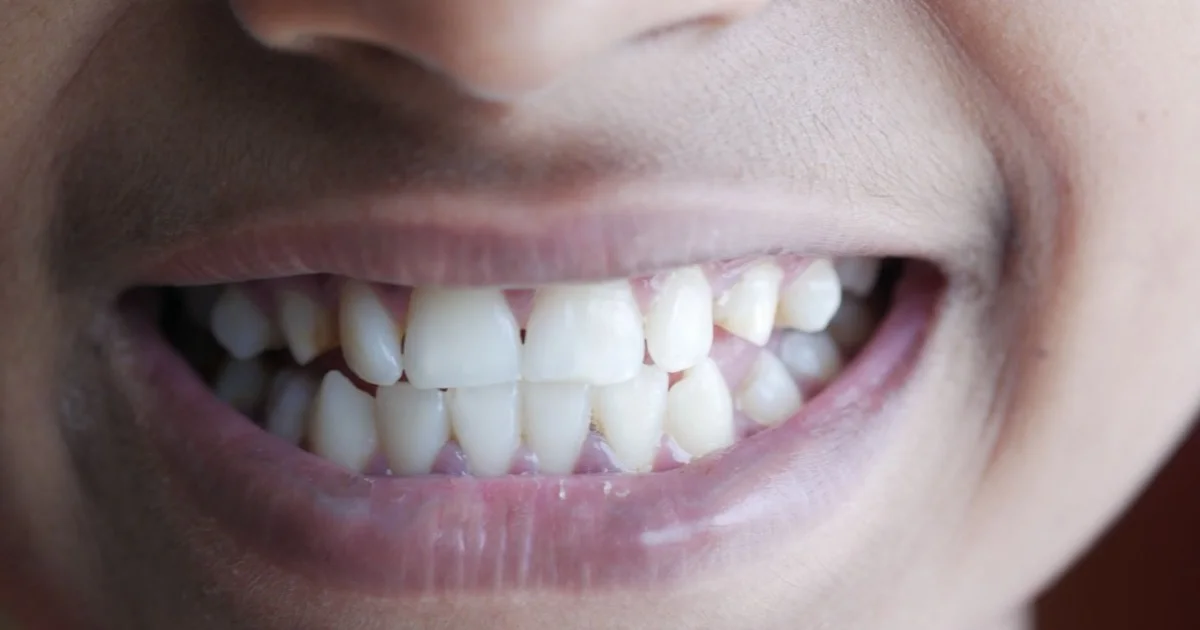
Implant placement in the front tooth area: what matters most in the aesthetic zone?
What decides how a front-tooth implant looks: labial bone thickness, gum biotype, implant position, gum shaping with a temporary crown, abutment choice.
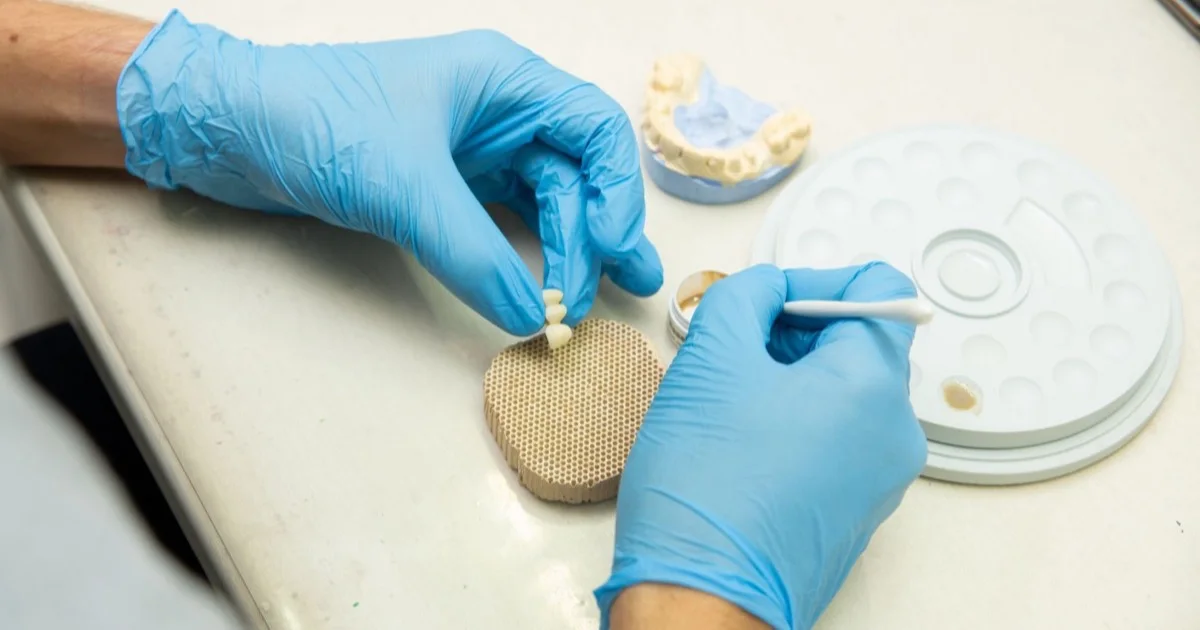
E-max or zirconia: which material is more suitable for front teeth?
E-max (lithium disilicate) or zirconia? Differences in aesthetics, translucency, strength, thickness and bonding for front teeth; which one is chosen when — with a table.
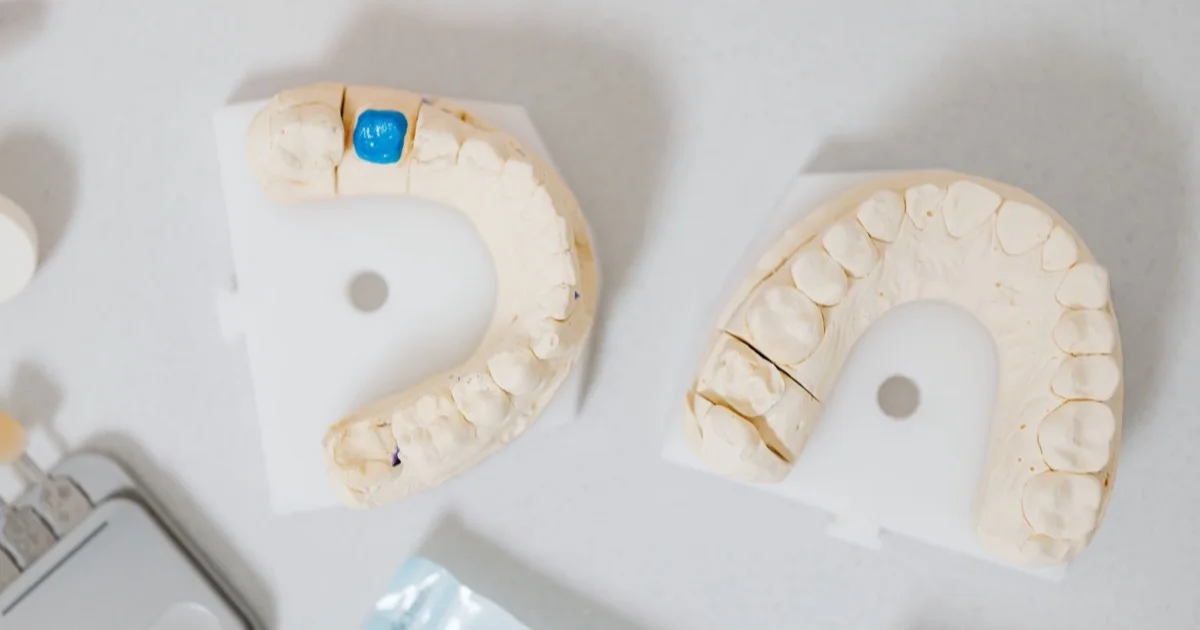
What is E-max? The properties of lithium disilicate ceramic and when it is chosen
What E-max (lithium disilicate) is, why it looks like a natural tooth, when it is chosen for veneers, crowns and inlays, its limitations and the adhesive bonding protocol.
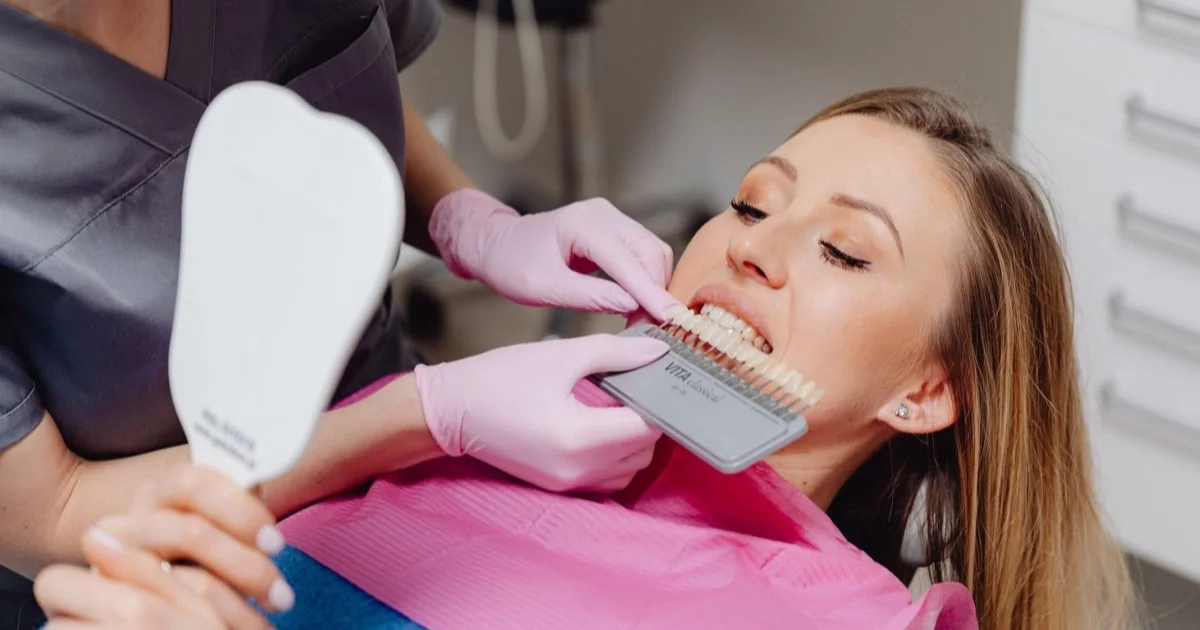
How is tooth colour chosen? Shade matching for veneers and crowns
How tooth colour is chosen for veneers and crowns: shade guides, spectrophotometers, lighting, the three zones of a tooth, translucency and how long to wait after whitening.
Bite and the jaw joint: can a bad bite cause TMJ problems?
What is occlusion (the bite), and can a deep or crossbite cause jaw joint pain? A balanced explanation of what the research says, plus the assessment steps.

What determines the price of a dental implant?
What a dental implant price includes: implant, abutment, crown, diagnostics and planning, and any extra procedures — explained by Dr. Bakhtiyar.
How long does a dental implant last, and what determines its lifespan?
How long does a dental implant last? What long-term studies show, the difference between the lifespan of the implant and the crown, and the key factors that shape the outcome.
Why does a black line appear at the gum edge of a crown and how is it fixed?
Why a black or grey line appears at the gum edge of a crown: metal-ceramic margin, gum recession, root colour, thin gums. Which solution suits which case.
Can an implant be placed on the day a tooth is extracted? Immediate implant placement
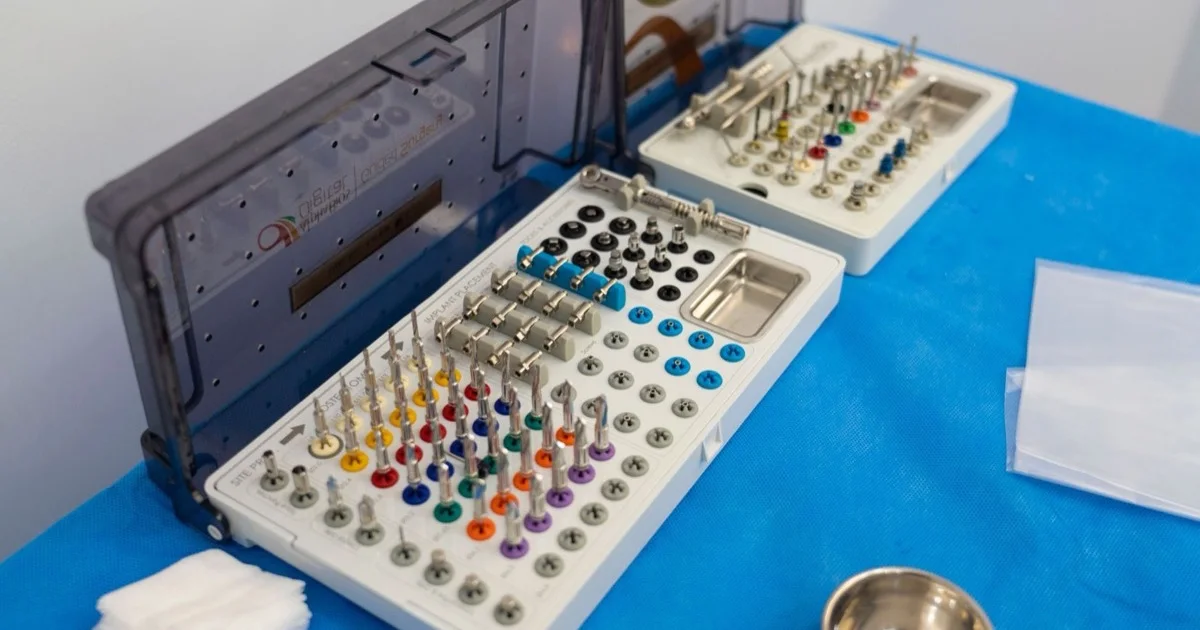
When a same-day implant (immediate implant placement) is possible, when it is better to wait and how it differs from delayed placement — a calm explanation.
Does tooth wear cause TMJ problems? What the evidence says
Is there a link between tooth wear and TMJ problems (TMD)? Studies show association, not causation. The role of bruxism and when to get checked.
Clicking and popping in the jaw joint: what does it mean and when should you worry?
What causes clicking and grating sounds in the jaw joint: disc displacement with and without reduction explained simply, its natural course and when to see a dentist.

Jaw joint problems (TMD): symptoms, causes and when to see a dentist
What TMD (a jaw joint problem) is: symptoms such as pain, limited opening, joint sounds, ear and headache, possible causes, and when you should see a gnathologist.
How are crowns, veneers and dentures planned in bruxism?
How crowns, veneers and prostheses are planned for a patient who clenches: material choice, bite design, night guard and realistic expectations — in plain language.
Bruxism and dental implants: how clenching loads the implant and the restoration on top of it
Does clenching cause implant loss? Screw loosening, ceramic chipping and bone loading in bruxism; planning measures with implant number, material and a night guard.
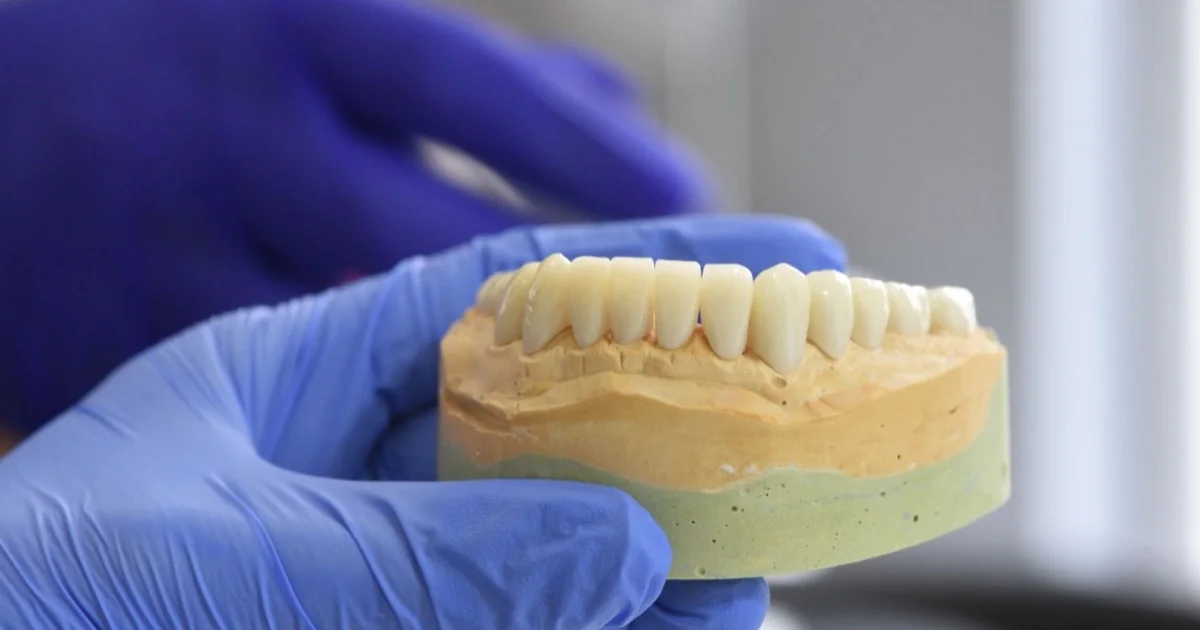
All-on-4 or All-on-6: are four implants enough, or do you need six?
The difference between All-on-4 and All-on-6: number of implants, bone requirements, load distribution, prosthesis type and research findings. Which is chosen when — explained with a comparison table.
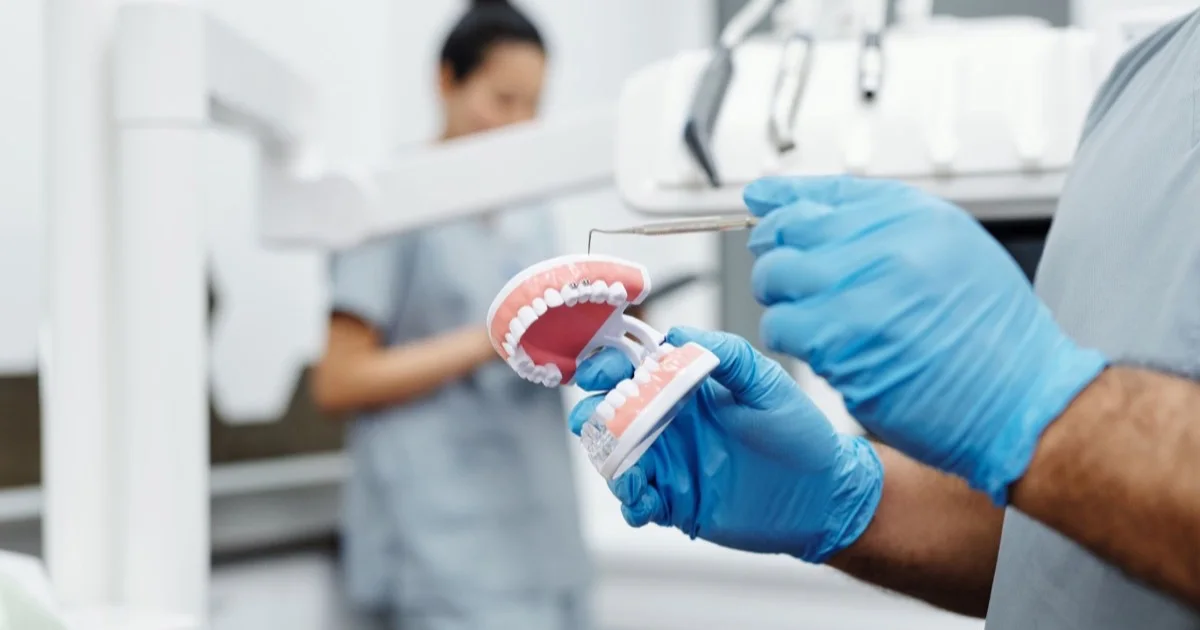
What is axiography: how is the movement of the jaw joint recorded?
Axiography is a radiation-free examination that records the path of the jaw joint head. What it measures, its place in TMJ diagnostics and in prosthetic and bite planning, and its limits.

How to prepare for a dental X-ray? Fasting, metal items and other questions
How to prepare for a dental X-ray: no fasting needed, which metal items to remove, preparing children and telling your dentist about pregnancy.
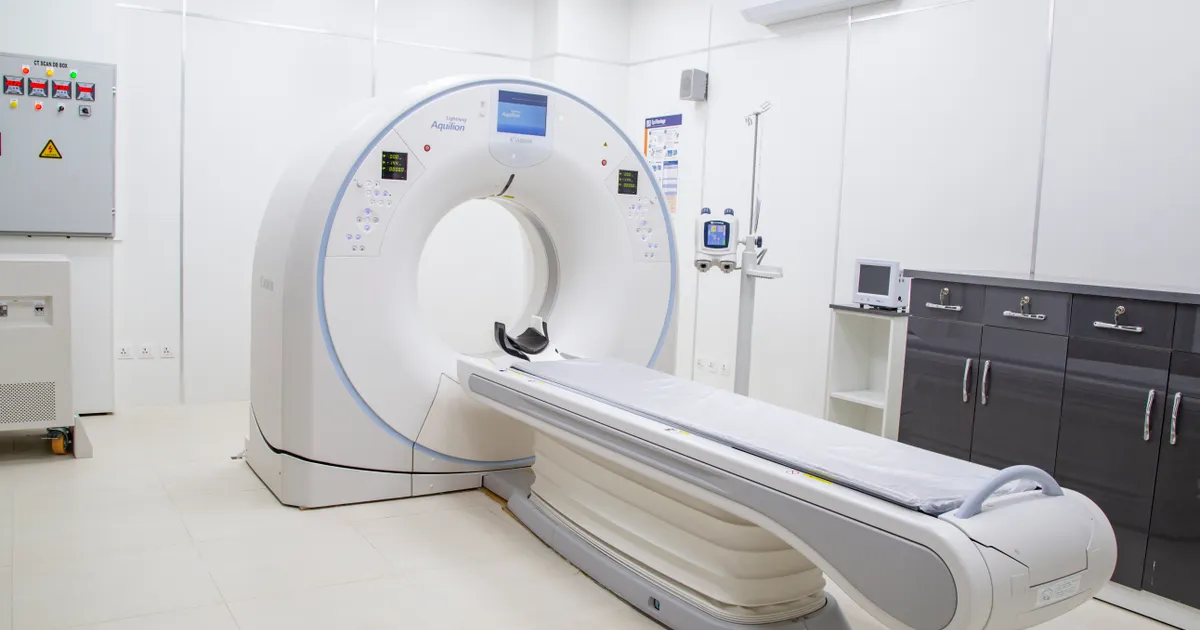
What Is CBCT (3D Imaging)?
CBCT (Cone Beam CT) is a low-dose X-ray method that shows the teeth, jaws and sinuses in 3D. How it works and when it is needed — explained by a dentist.
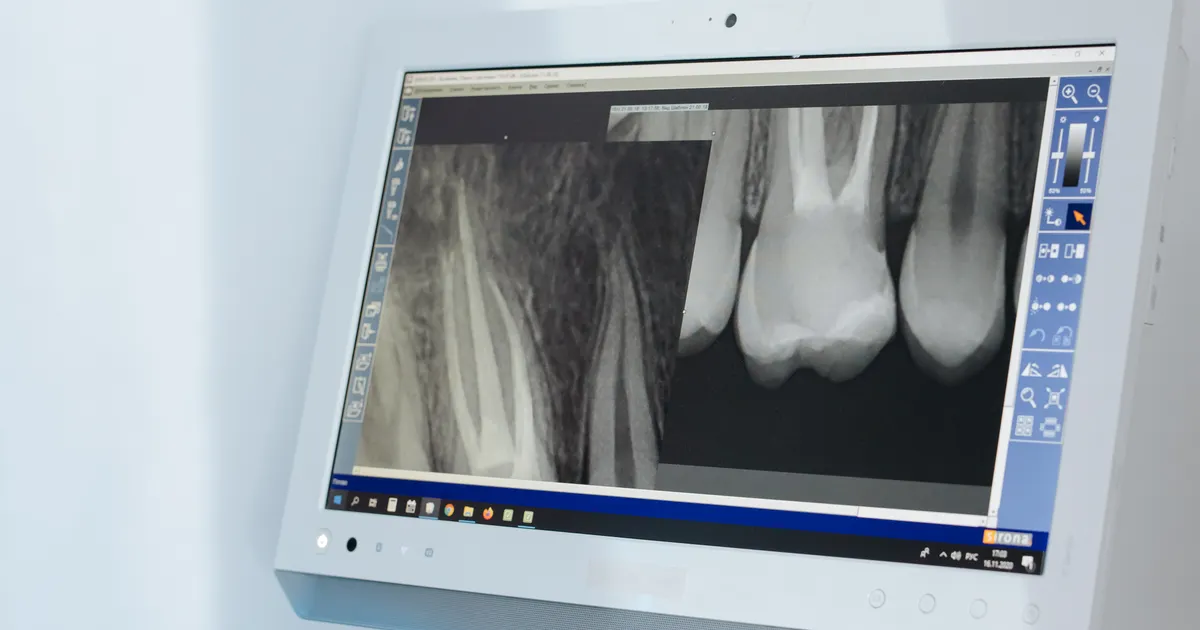
What is the difference between a panoramic X-ray and CBCT?
A panoramic X-ray gives a 2D image, while CBCT gives a 3D one. A thorough comparison by dose, accuracy, price and use cases — explained by a dentist for patients.
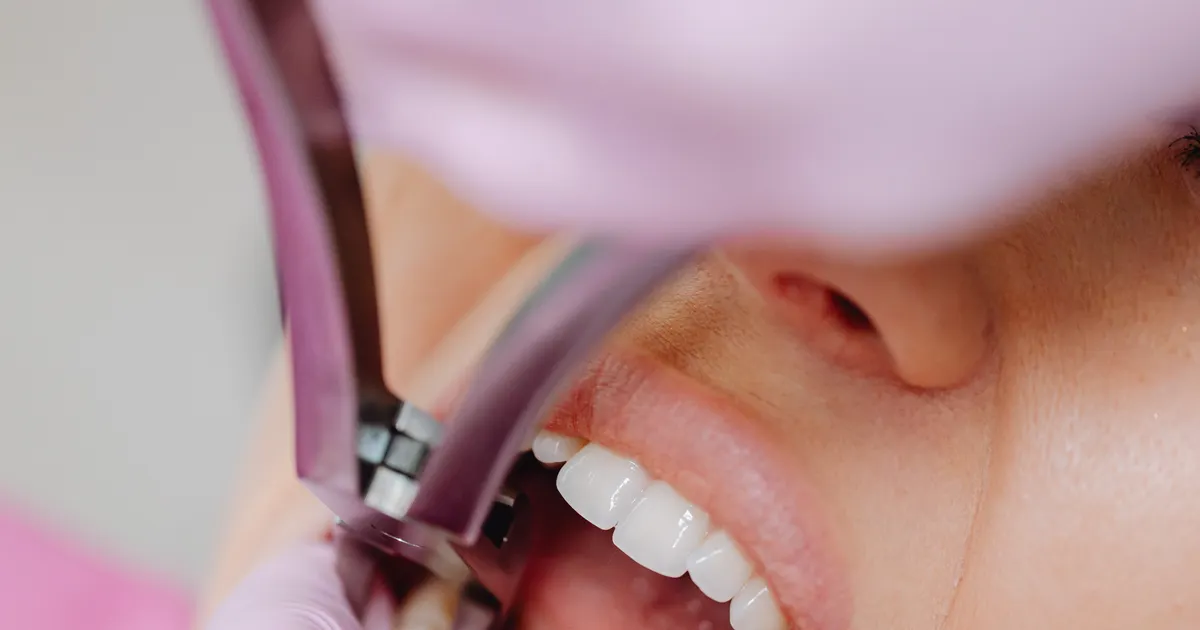
After a Tooth Extraction: The First 24 Hours and the Risk of Dry Socket
Why you shouldn't rinse, spit, use a straw or smoke after a tooth extraction, when to start salt-water rinses, and the warning signs of dry socket.
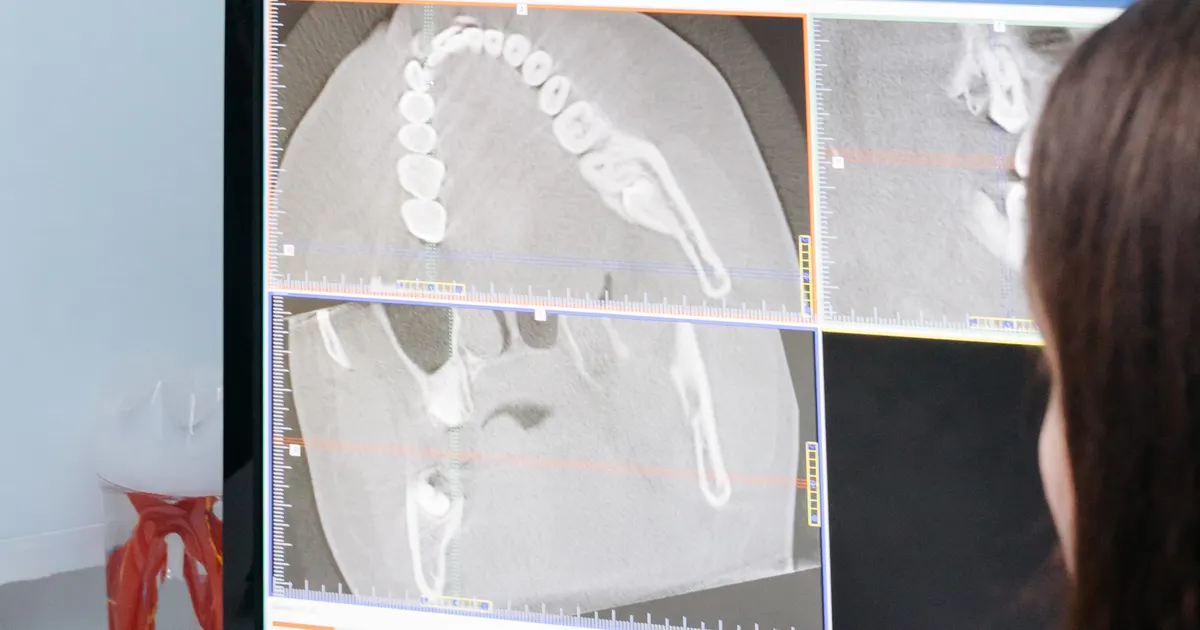
How is bone measured for a dental implant? Height, width and density on CBCT
How jawbone height, width and density are measured on CBCT for implant planning: cross-sections, step-by-step measuring and a minimum dimensions table.
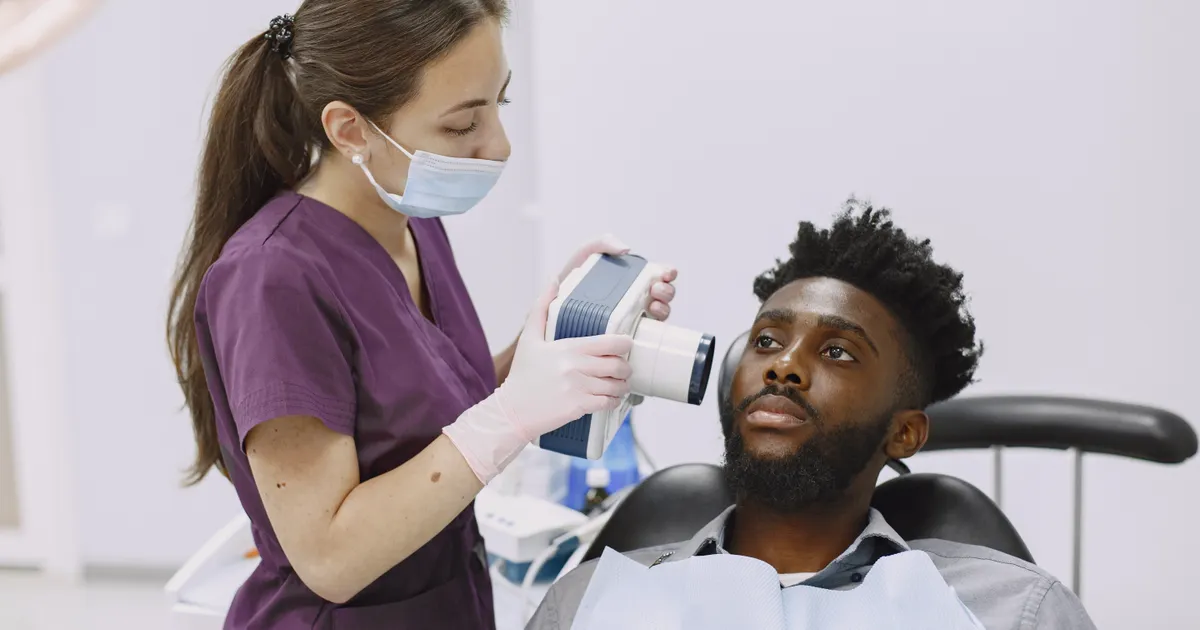
Does an X-ray show hidden tooth decay?
Does an X-ray show hidden tooth decay? How interproximal, under-filling and root decay appear on images, when CBCT is needed and how often to have X-rays.

Diabetes and Dental Health: How They Affect Each Other and How to Care for Your Mouth
Diabetes raises the risk of gum disease, and gum disease makes blood sugar harder to control. Oral care, risks and warning signs for patients with diabetes.
Are dental X-rays dangerous?
Are dental X-rays really dangerous? Radiation dose in concrete figures (µSv), how often you can have them, cancer risk, pregnancy and children — an evidence-based explanation from a dentist.
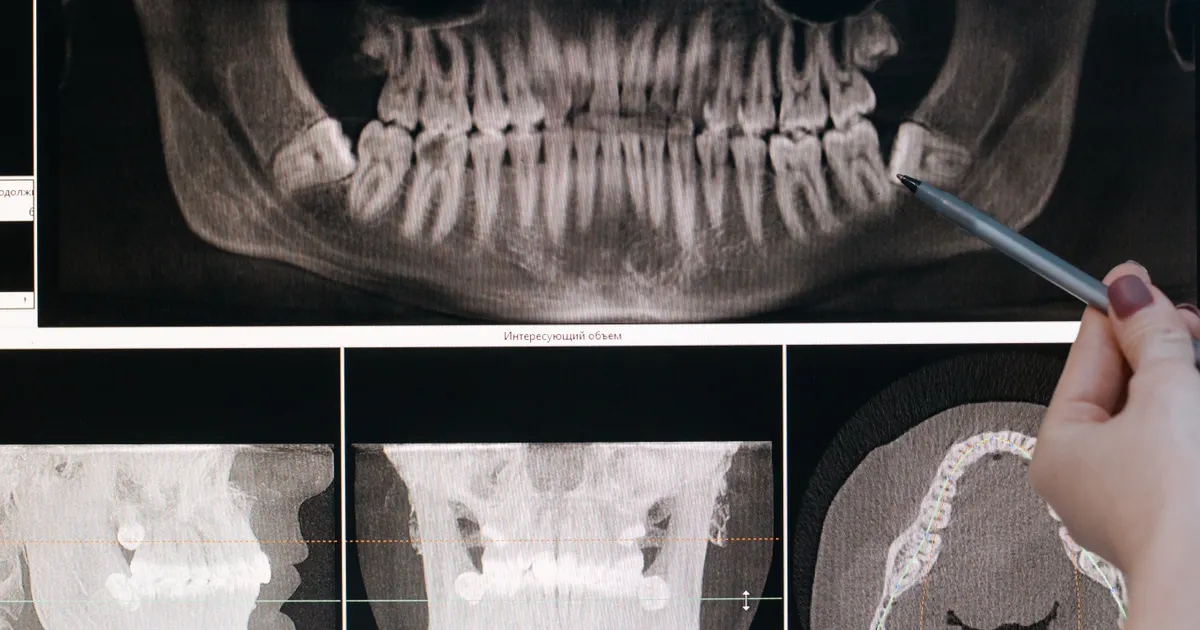
What is a periapical X-ray?
Periapical X-ray — a precise intraoral image showing the root, canal and surrounding bone of one or two teeth. When is it needed and how is it taken?
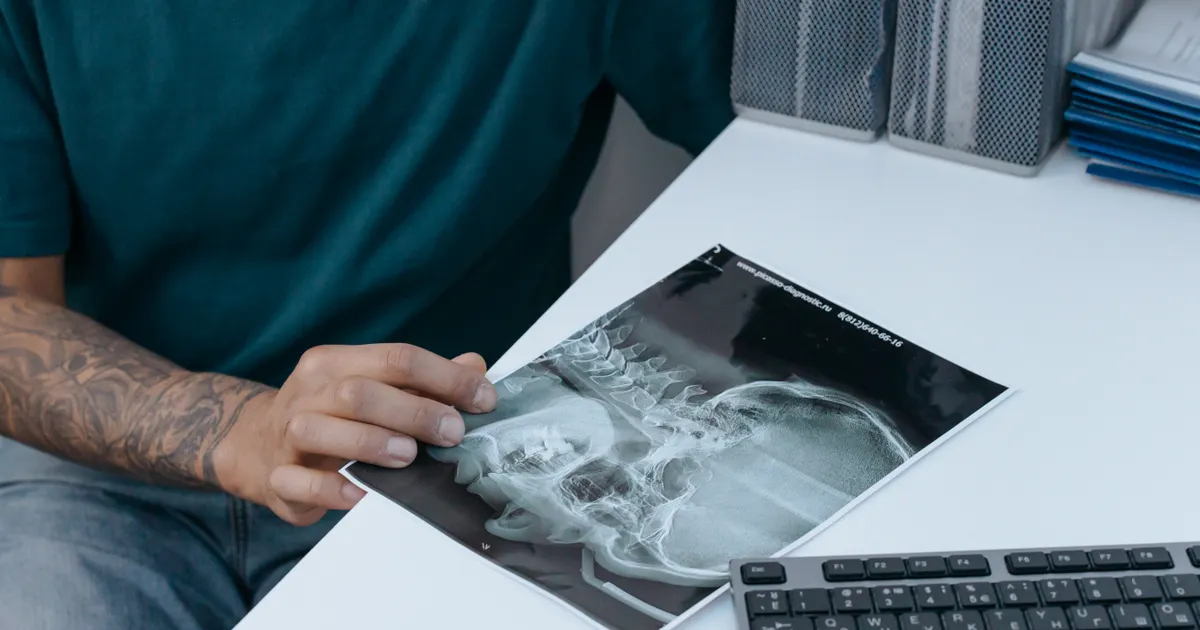
What is a lateral cephalometric X-ray?
Why is a cephalometric X-ray important in orthodontics? How a lateral ceph is taken, how it is analysed and when it is needed — explained by Dr. Maharram Mammadov.
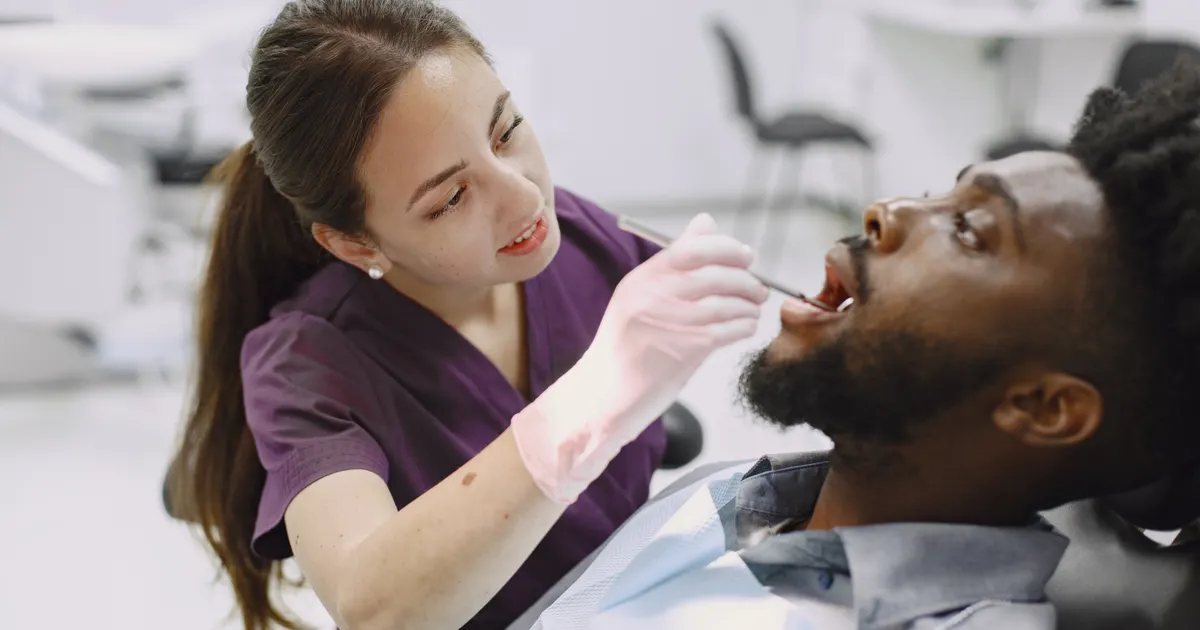
Long-term care after an implant: how to keep your implant healthy for years
So your implant serves you for years: daily interdental cleaning, water flosser, professional cleaning intervals, follow-up X-rays and prosthesis care — explained simply.
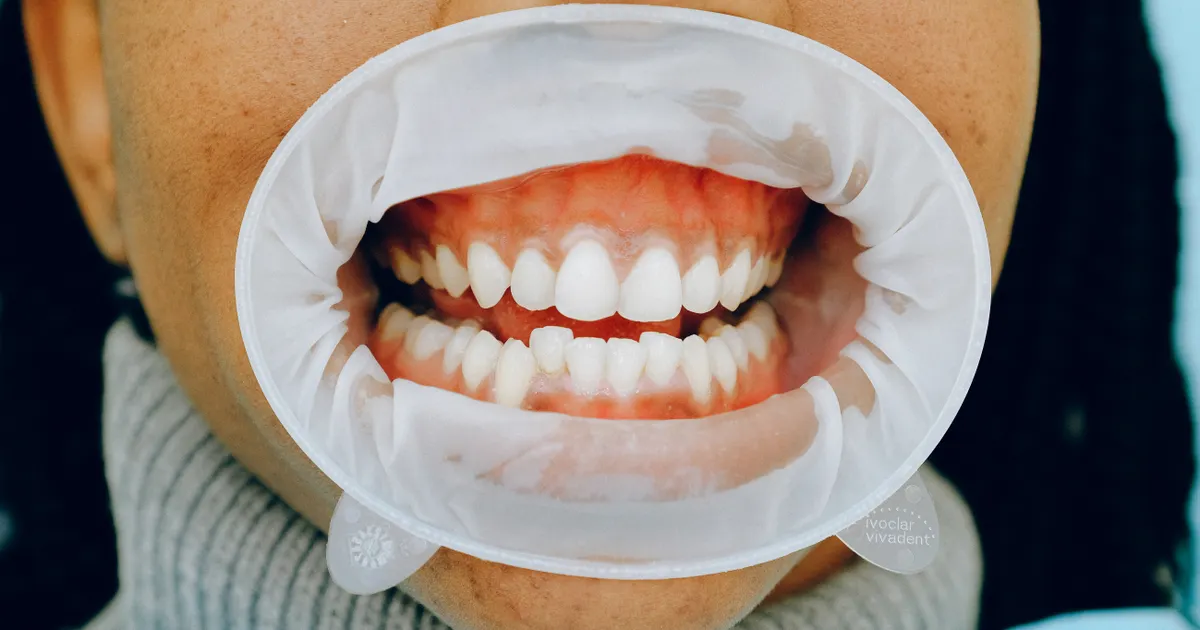
Bleeding Gums (Gingivitis): Causes and Treatment
Bleeding gums are most often an early sign of gingivitis — inflammation of the gums. Causes, symptoms, treatment and prevention; what the research says — explained by Dr. Nuran.
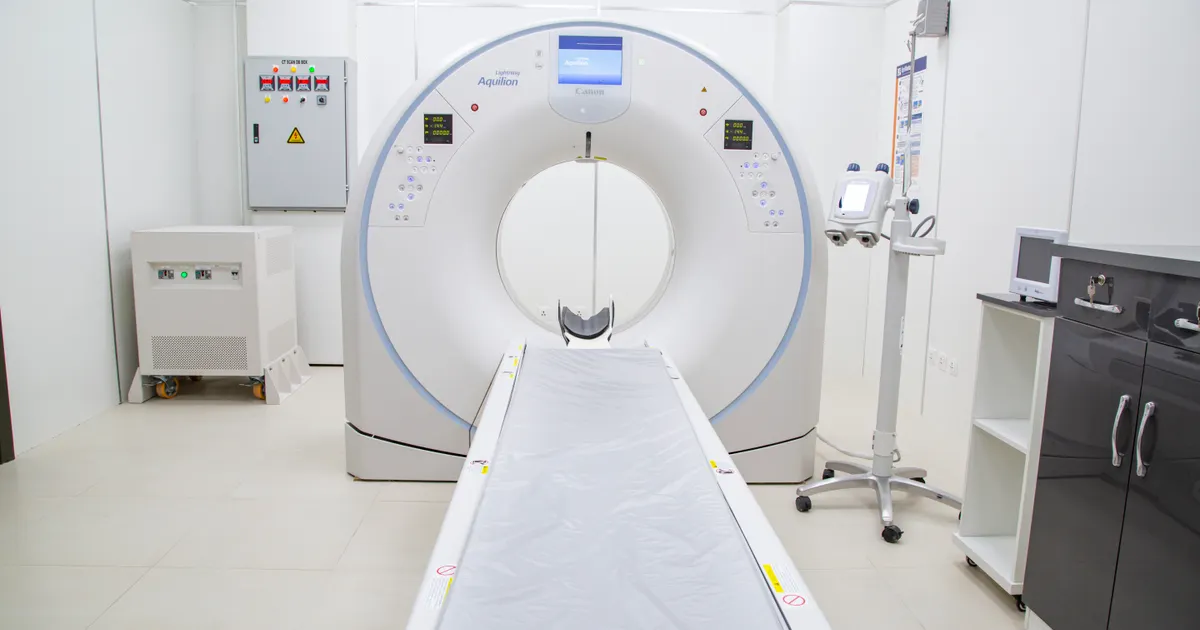
The Difference Between CBCT and a Conventional CT Scan
How do CBCT and a conventional CT (MSCT) differ? A dentist compares dose, working principle, accuracy and indications. Which scan is used when?
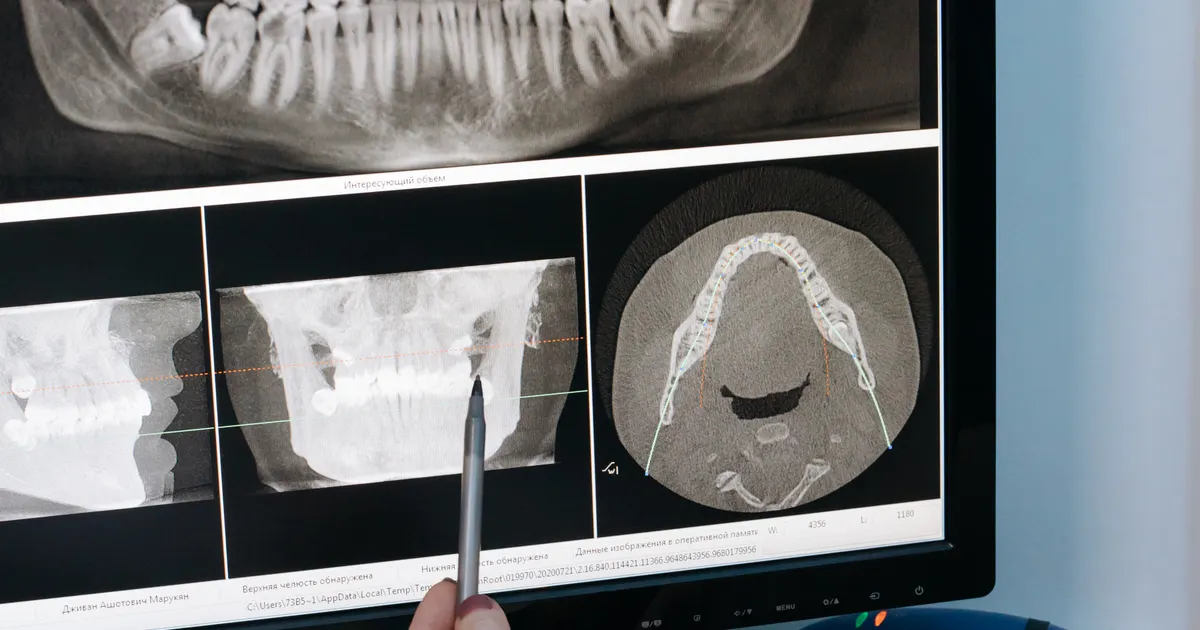
What does a cyst look like on an X-ray?
What does a cyst look like on an X-ray? We explain periapical cysts, jaw cysts and CBCT images step by step in patient-friendly language. Professional diagnostics in Baku.

Are dental X-rays safe for children?
Are dental X-rays safe for children? Dose, paediatric protocol, protection and clinical indications. When they are needed and when we wait — explained by a dentist.
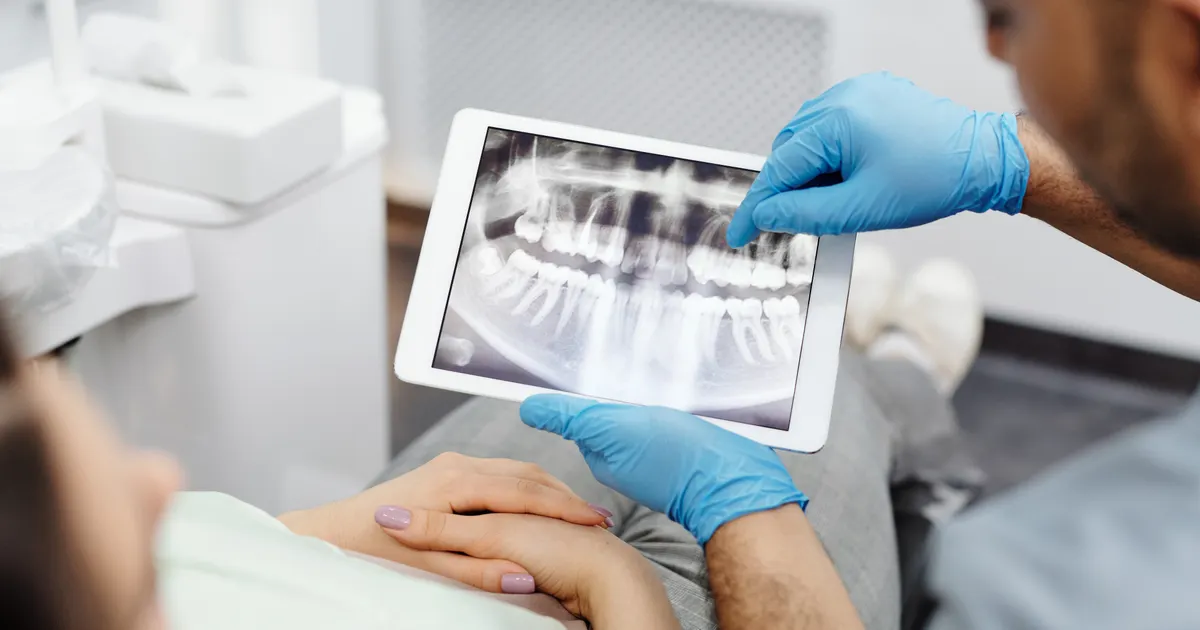
Does a jaw infection show up on an X-ray?
Does a jaw infection show on an X-ray? How a periapical abscess appears, which method shows it best (periapical, panoramic, CBCT) — a dentist explains.
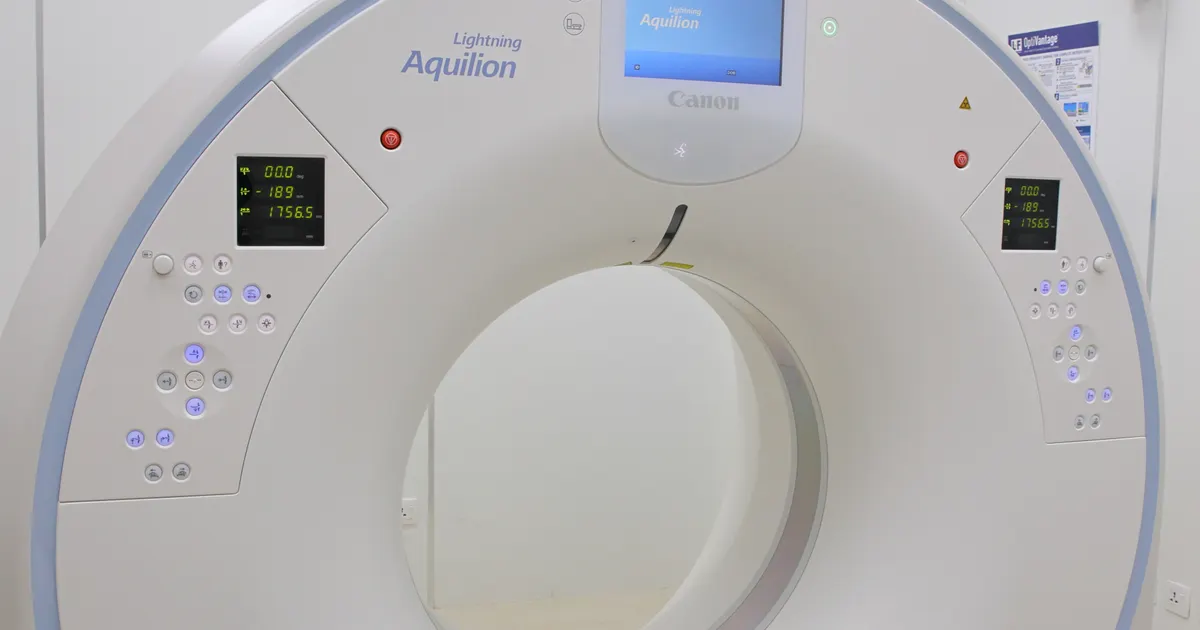
When is a CBCT scan needed?
A CBCT scan is not needed for every patient. The 10 clinical situations where 3D imaging matters — implants, root canals, wisdom teeth, orthodontics, TMJ and sinus — explained by a dentist.
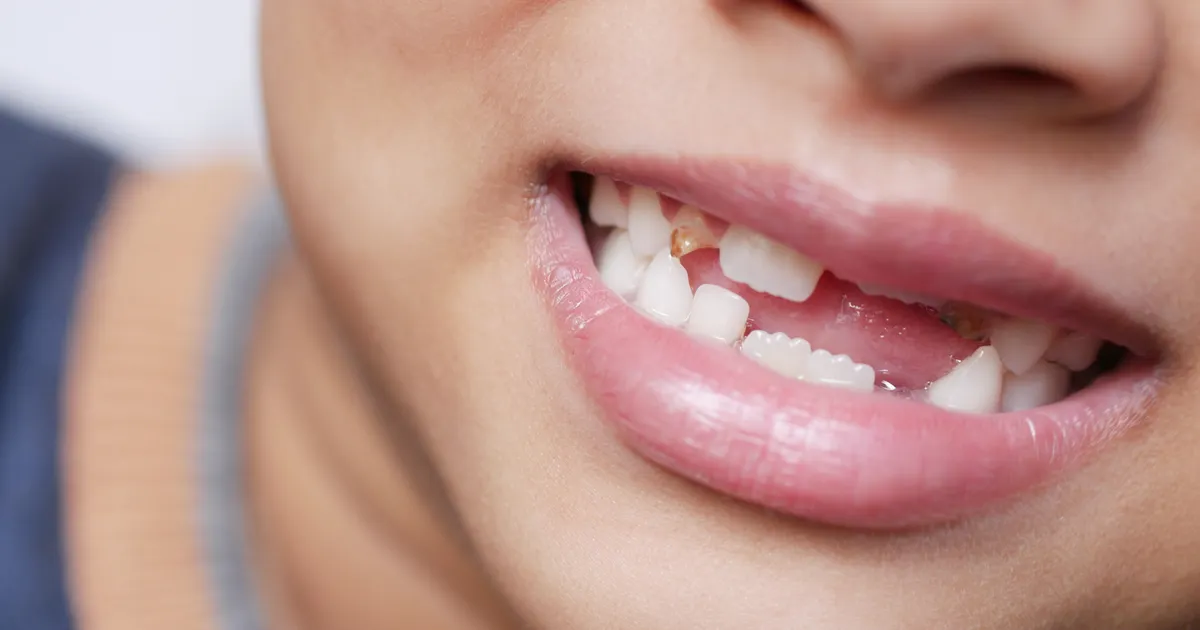
What Should Replace an Extracted Tooth? An Overview of the Options
There are three main options for replacing an extracted or lost tooth: an implant, a bridge and a removable denture. Dr. Bakhtiyar explains which one suits whom and the risks of leaving the gap empty.
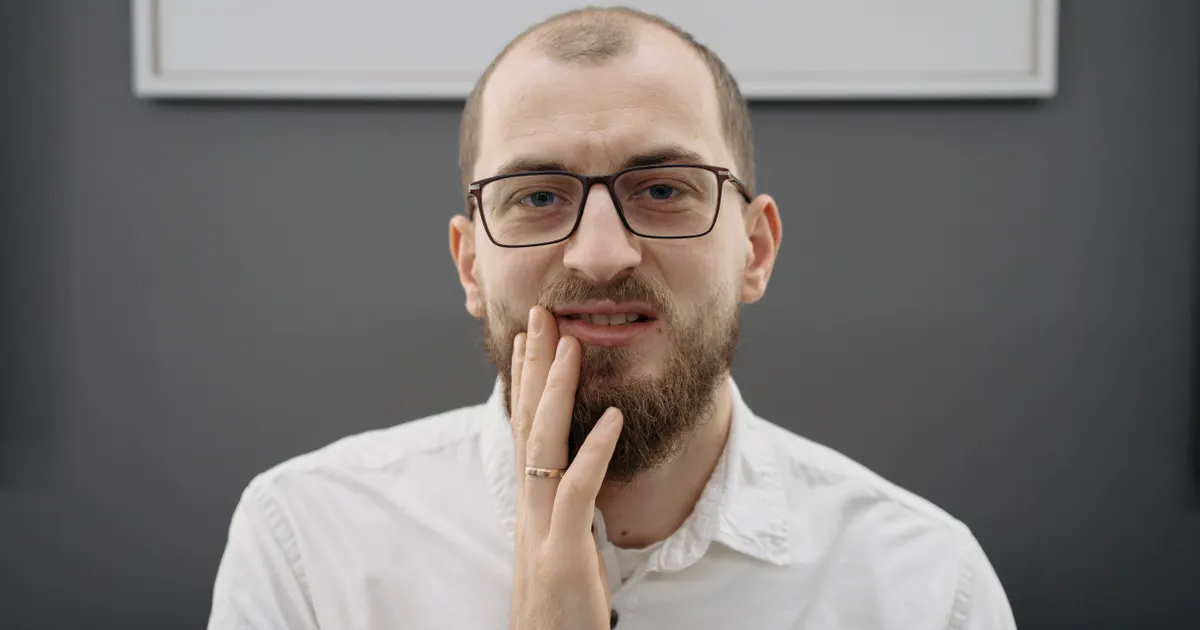
What bone changes does CBCT show in the jaw joint (TMJ)?
What CBCT shows in the TMJ: cortical bone, condyle shape, osteoarthritis signs (erosion, osteophytes), ankylosis and fractures. MRI is better for the disc.
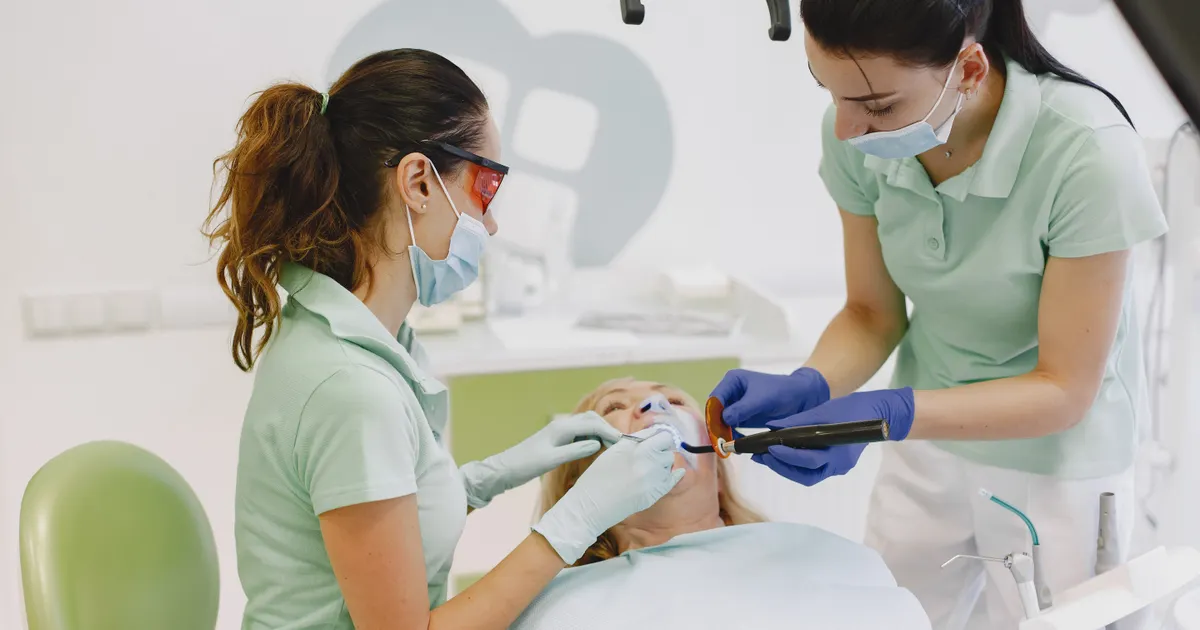
Dental Fillings: Types and When One Is Needed
A dental filling restores a tooth once decay has been removed. Learn the types of fillings, when they are needed and how they are chosen — with Dr. Nuran.

Pregnancy and Dental Health: What to Watch Out For
During pregnancy, hormonal changes can increase the risk of gum inflammation and tooth decay. Dental check-ups, safe treatments and daily care — explained by Dr. Minaya.
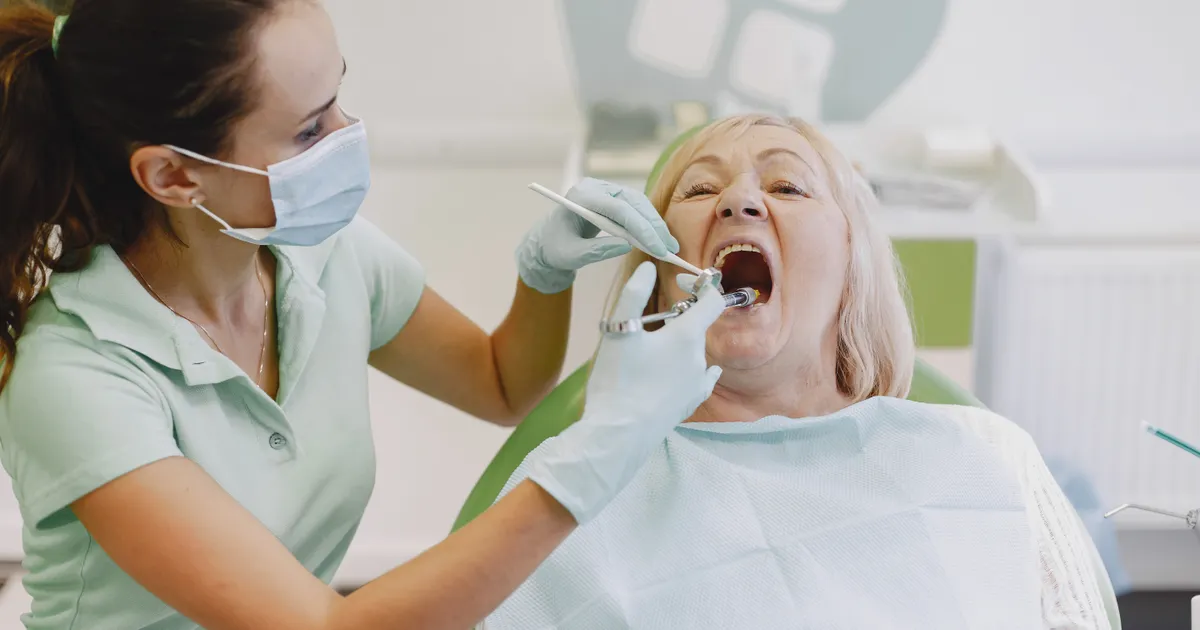
Tartar Removal: What It Is, How It Is Done and How Often You Need It
How is tartar removal (scaling and polishing) carried out, is it painful and how often do you need it? What Cochrane and NICE say; why the interval should be individual — Dr. Minaya explains.
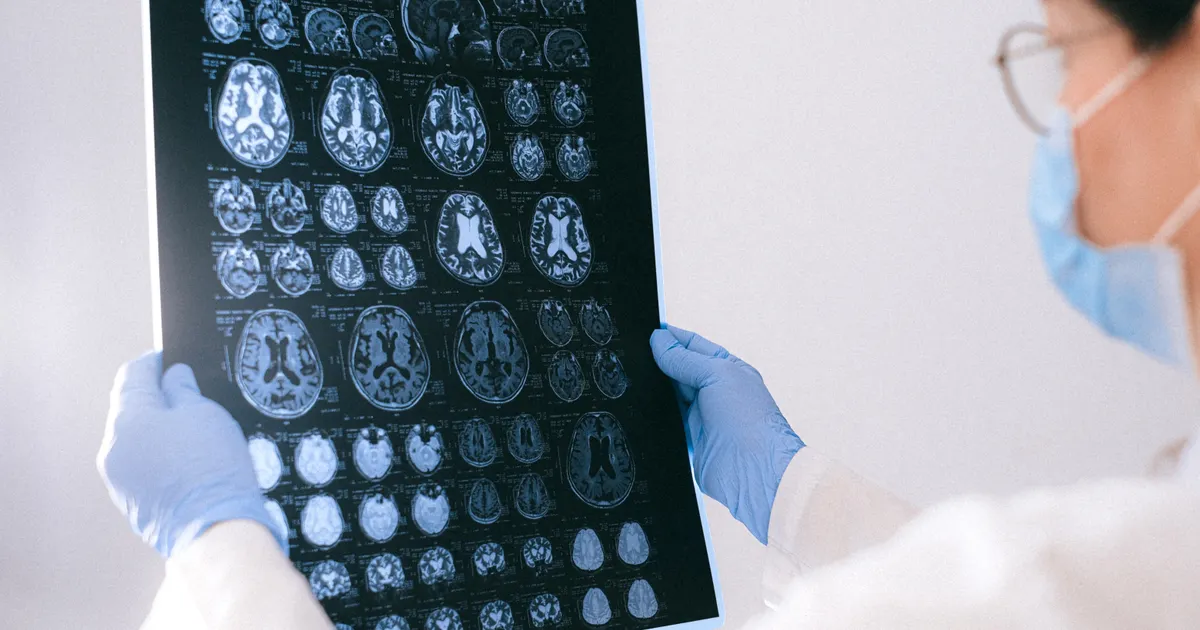
How to Read Your CBCT Results
What does a CBCT scan show, which measurements matter, and what are the DICOM file and PDF report? A simple step-by-step explanation for patients, with examples.
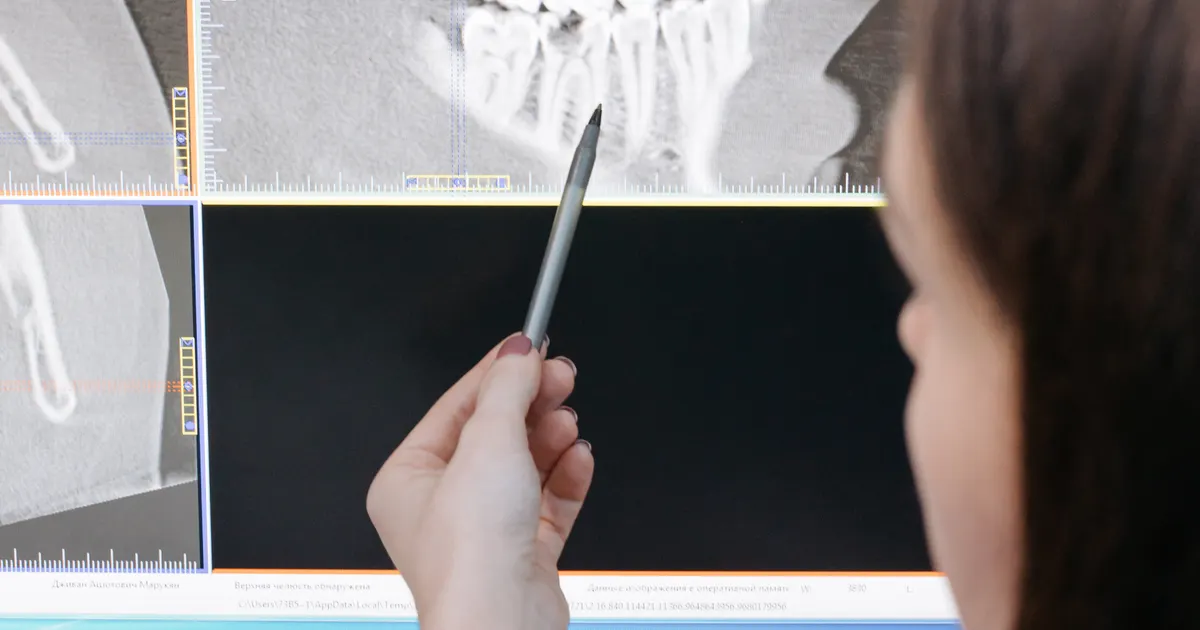
What is a bitewing X-ray?
What a bitewing X-ray is: how it is taken, what it shows (back tooth crowns and bone level), when it is used and how it differs from a periapical X-ray.

What is FOV and how is it chosen?
FOV (Field of View) is the volume a CBCT scan captures. When to choose a small, medium or large FOV, which FOV suits implants, sinus lift and All-on-4.
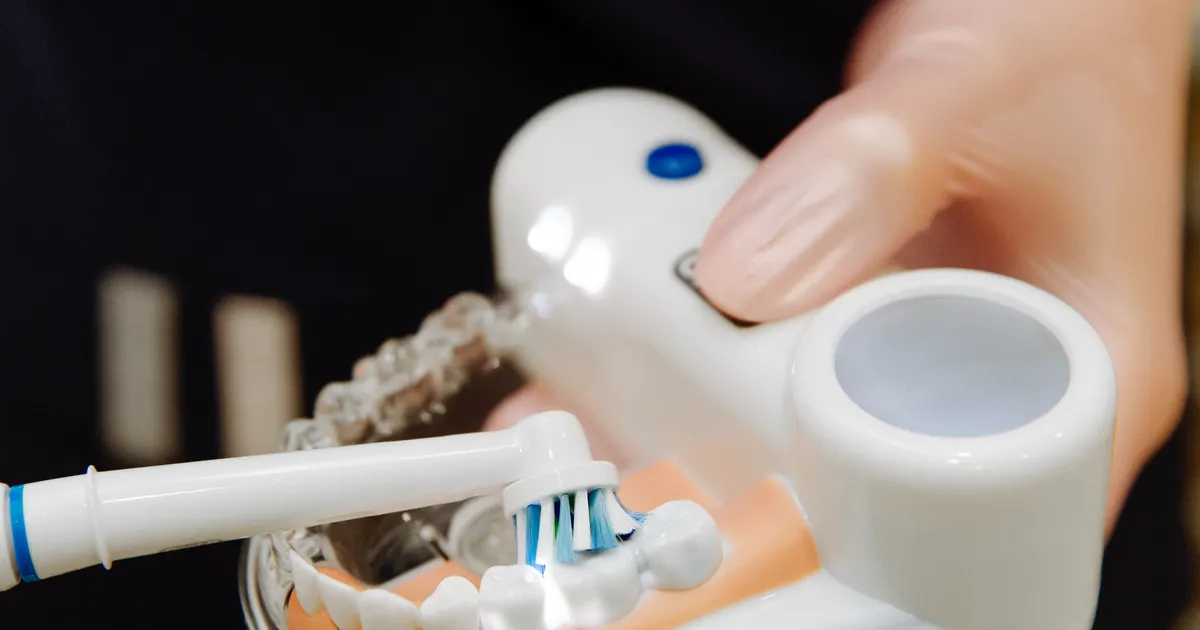
Tartar and Your Gums: Why Professional Cleaning Matters
Tartar builds up along the gum line and can lead to gingivitis and periodontitis. Dr. Minaya explains why professional cleaning protects your gums and why home care cannot replace it.

The difference between STL and DICOM
STL is a 3D model file, DICOM is a tomographic volume format. Why does knowing the difference matter in digital implant, orthodontic and CAD/CAM work?
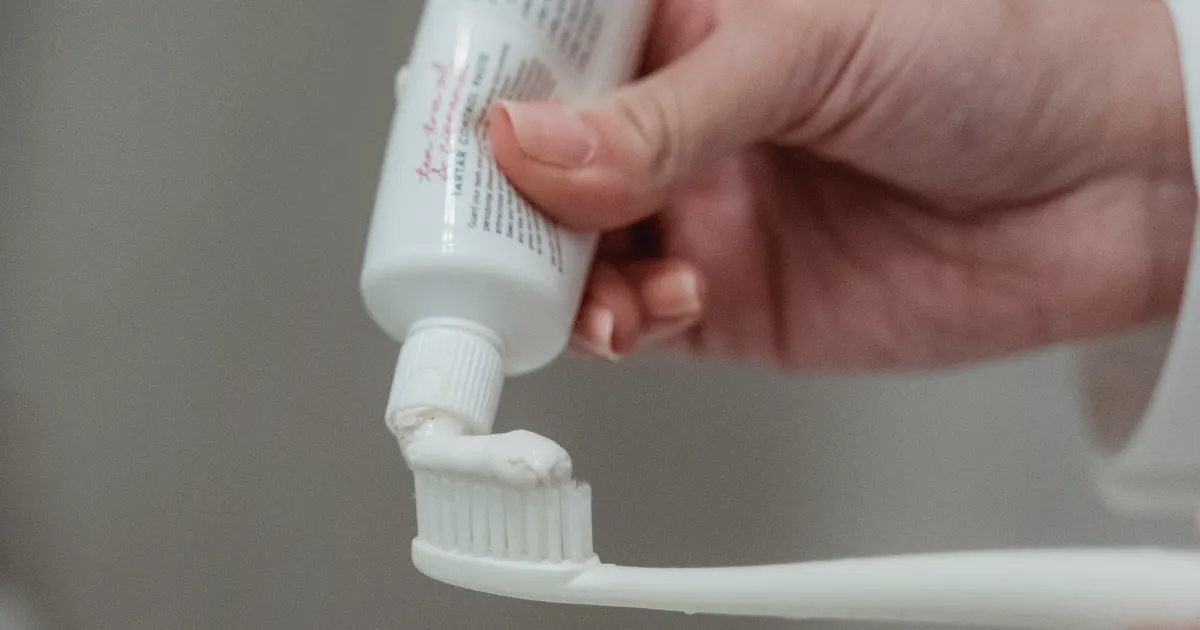
Fluoride and Dental Health: Benefits and Safety
Fluoride is a mineral that strengthens tooth enamel and protects against decay. How it works, its benefits, safe use and what to watch for in children. Dr. Minaya explains.
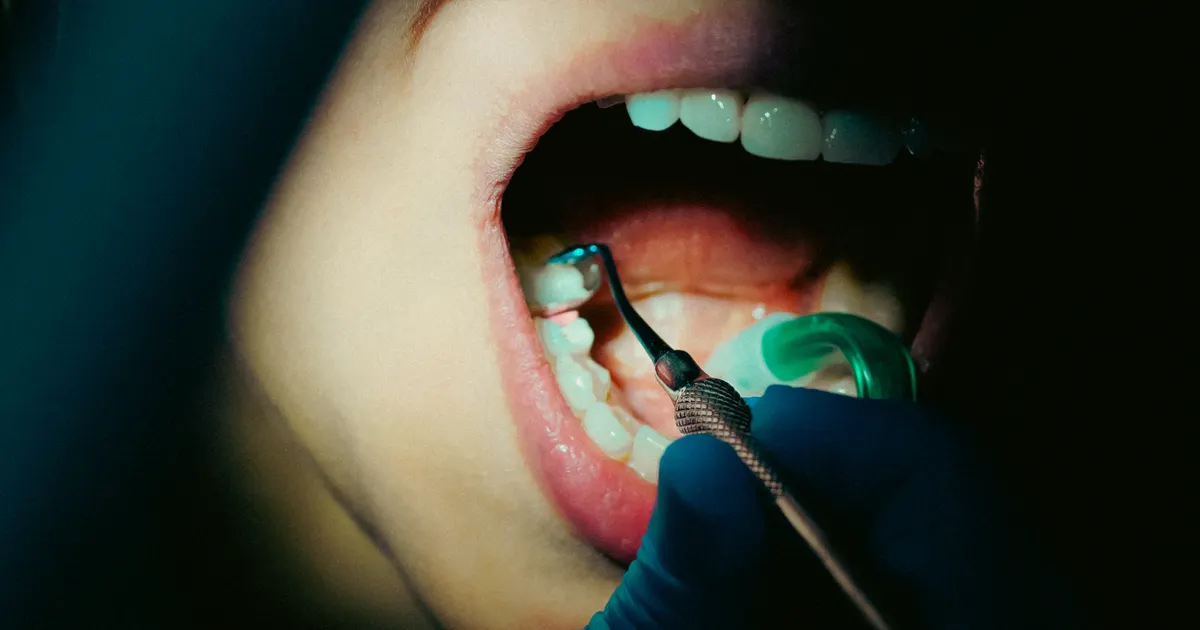
Periodontitis (Gum Disease): Stages and Treatment
Periodontitis is a serious inflammatory gum and bone disease that follows untreated gingivitis. Dr. Nuran explains the stages, signs and treatment.
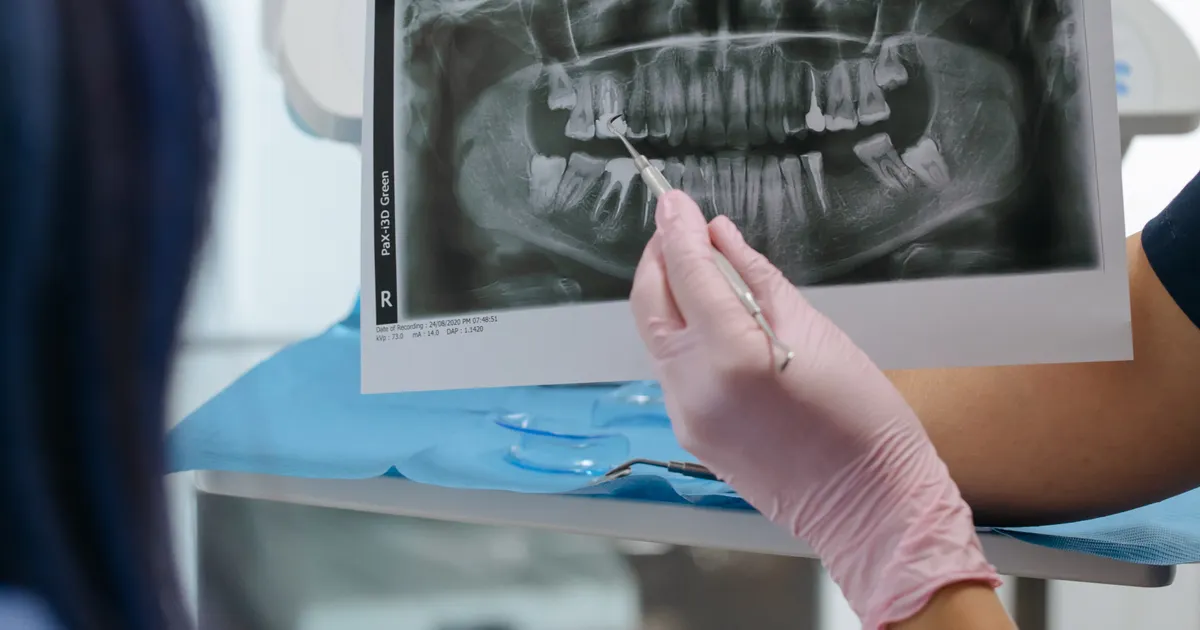
Which X-ray shows the position of a wisdom tooth best?
Panoramic X-ray versus CBCT for wisdom teeth. Which one is right for impaction, nerve proximity and curved roots? Expert answers from Baku.
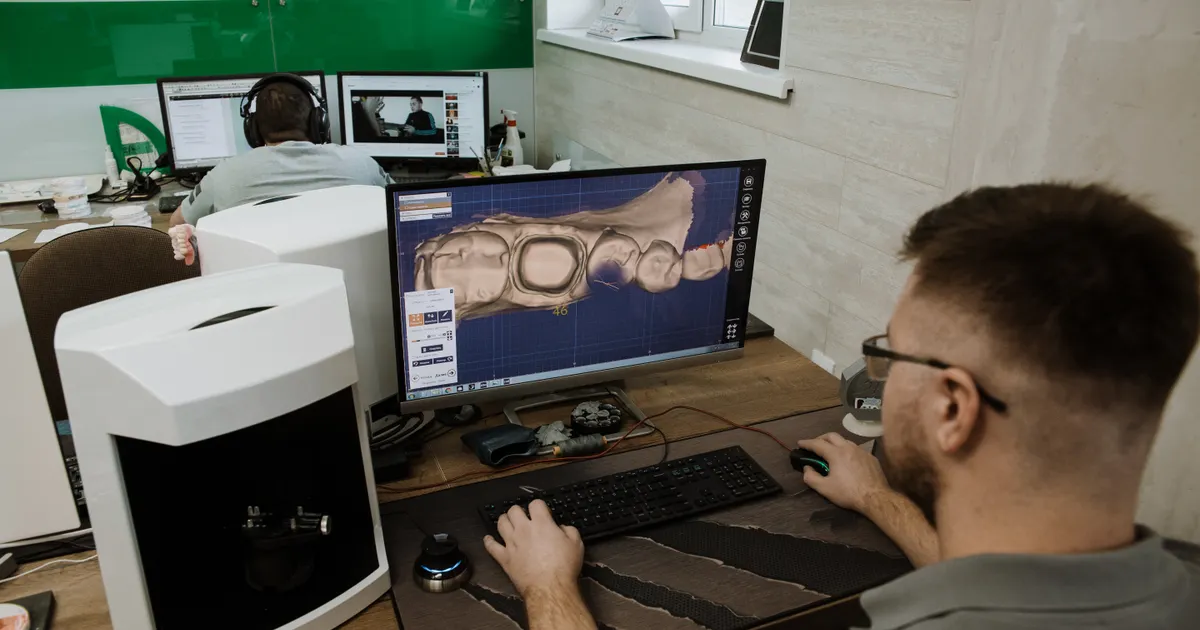
Same-Day Crowns with CAD/CAM: When Is It Possible?
In some cases CAD/CAM technology allows a crown to be made in a single visit: digital scanning, design and in-clinic milling. When it is possible and what the limitations are — explained by Dr. Bakhtiyar.
Dry Socket (Alveolar Osteitis) After Tooth Extraction: How to Recognise It?
Dry socket (alveolar osteitis) after tooth extraction: the warning signs, how to lower the risk and when to see your dentist — explained by Dr. Bakhtiyar.

Dental Treatment Payment and Insurance: What You Should Know in Azerbaijan
What affects the cost of dental treatment, payment options and how insurance covers dentistry — a transparent, conservative explanation for patients in Azerbaijan. Dr. Bakhtiyar.

Dental Abscess (Infection): Emergency Signs and What to Do
A dental abscess is a collection of pus caused by a bacterial infection in a tooth or the gums. Emergency signs, what to do and when to seek immediate care. Dr. Saig explains.
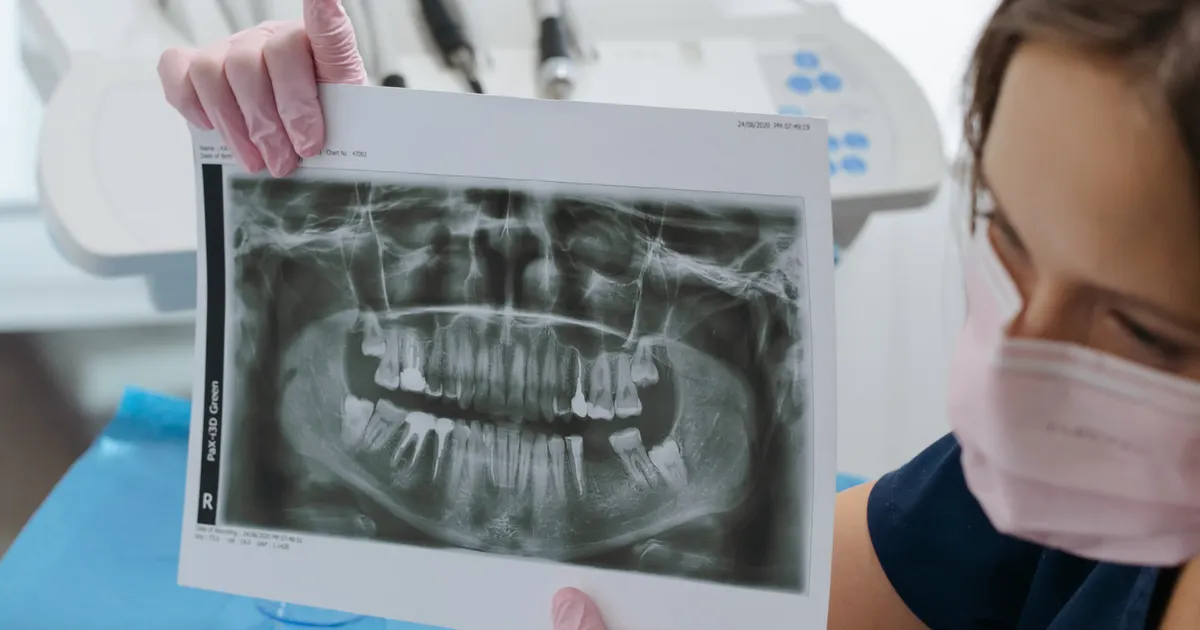
Can a cracked tooth be seen on an X-ray?
Can a cracked tooth be seen on an X-ray? How periapical, panoramic and CBCT imaging differ and how a hidden tooth crack is diagnosed. Book a visit in Baku.
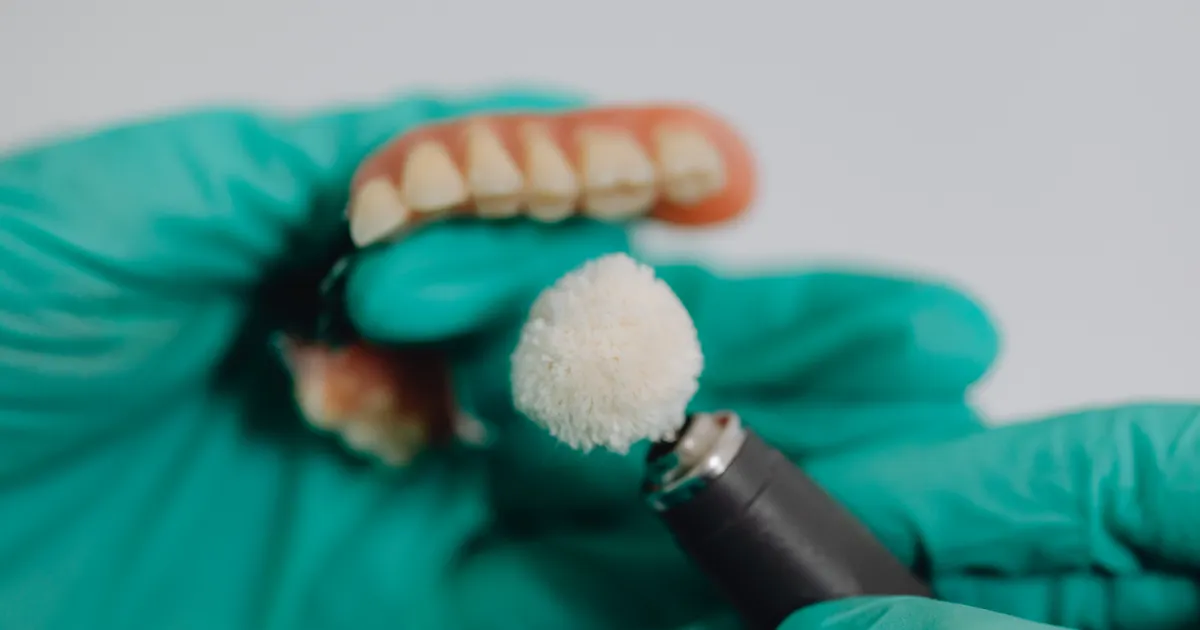
What is All-on-4: how a full jaw is restored on 4 implants
All-on-4 restores a fully edentulous jaw with a fixed bridge on 4 implants. Who it suits, why angled implants, the stages, temporary vs permanent bridge.

Halitosis (Bad Breath): Causes and What to Do
Bad breath (halitosis) most often comes from a build-up of bacteria on the tongue, gum disease and a dry mouth. The main causes, what to do at home and when to see a dentist — explained by Dr. Minaya.
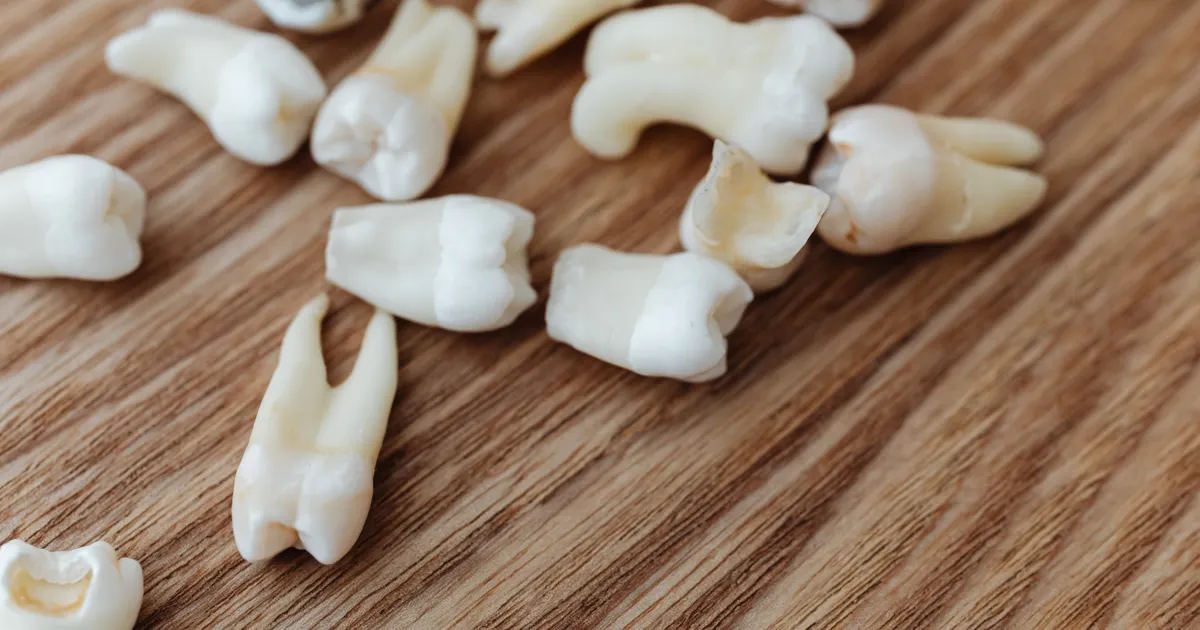
Tooth Decay (Caries): How It Develops and Its Stages
Tooth decay begins when plaque bacteria turn sugar into acid that erodes enamel, then deepens stage by stage. It can be stopped early — Dr. Nuran explains the stages and prevention.

Tooth Discolouration (Stains): Causes and How to Remove Them
Tooth discolouration can be surface (food, drinks, smoking) or internal (injury, medication, age). Dr. Nuran explains the right treatment for each cause.

Can you have a dental X-ray during pregnancy?
Can you have a dental X-ray while pregnant? When it is postponed, when it is needed, and what protective measures are taken — explained by Dr. Bakhtiyar.
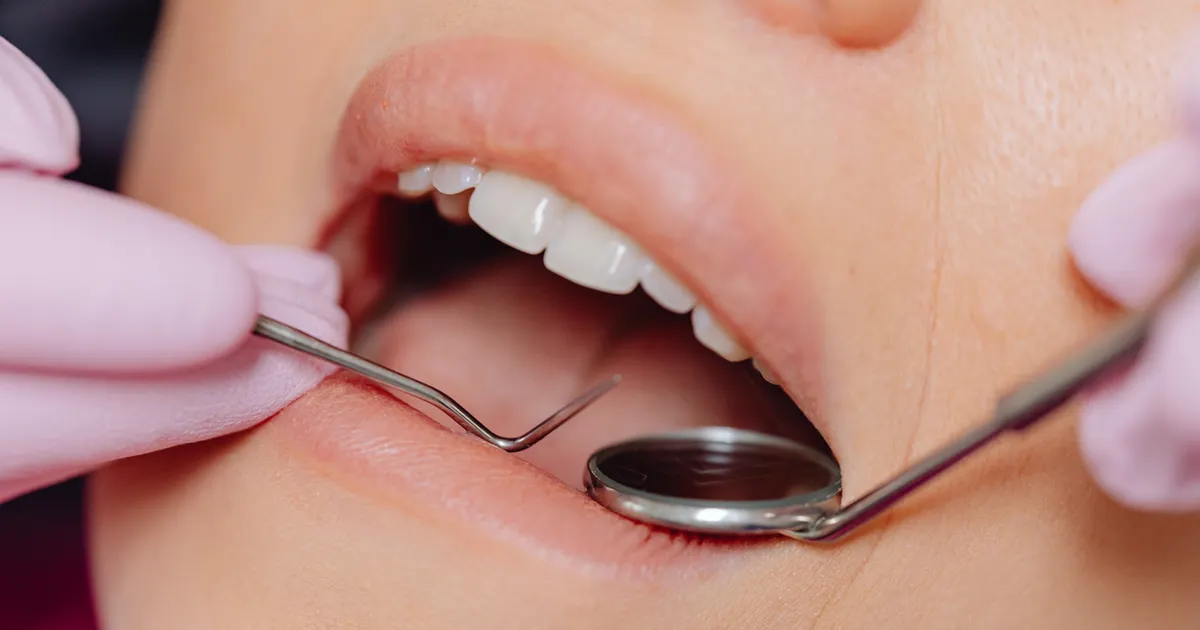
Tartar vs Plaque: What Is the Difference and How to Prevent It
Plaque is the soft, sticky bacterial film that builds up daily; tartar is hardened plaque. Learn the difference, the risks and how to prevent both.
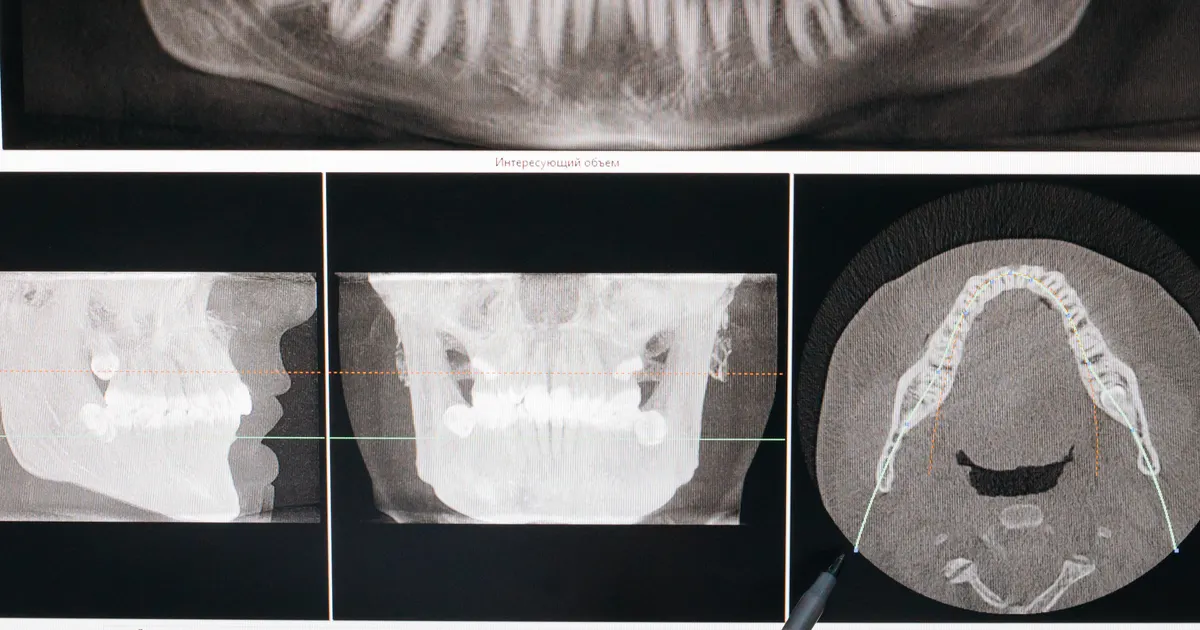
Why are CBCT and digital planning important before an implant?
Which X-rays are taken before an implant and what CBCT adds: when a panoramic view is not enough, bone dimensions, nerve and sinus safety, FOV, surgical guides and prosthetically driven planning.
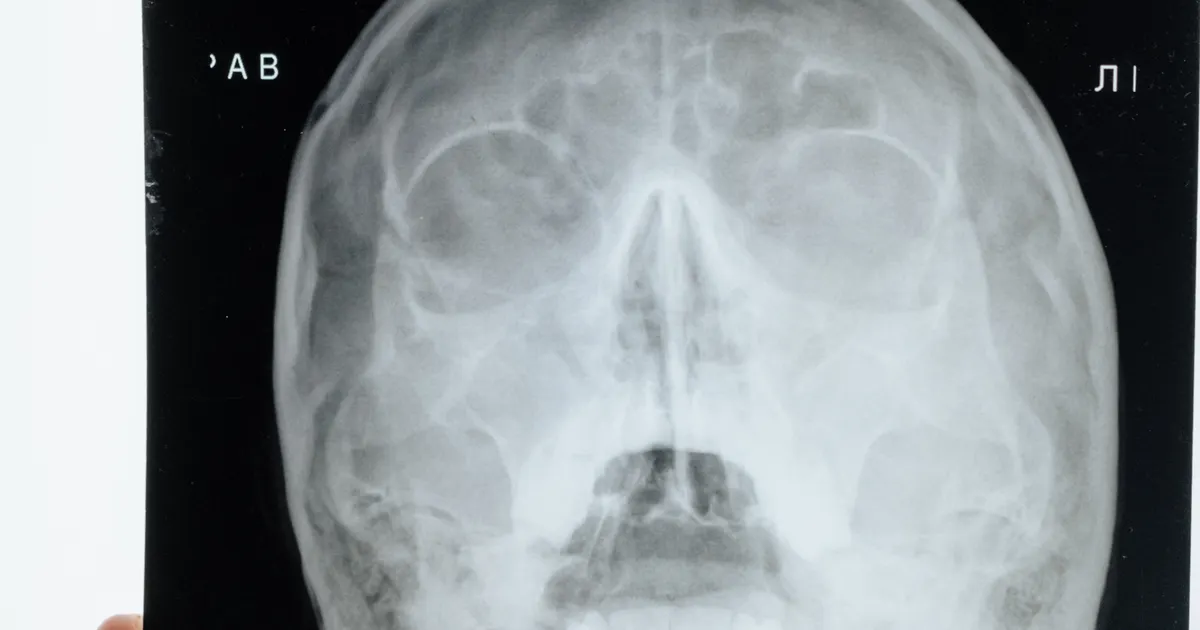
Can CBCT Show Sinus Problems?
Does CBCT show sinusitis, polyps and odontogenic sinus inflammation? Tooth–sinus links, CBCT vs plain sinus X-ray, dose and indications — a dentist explains.
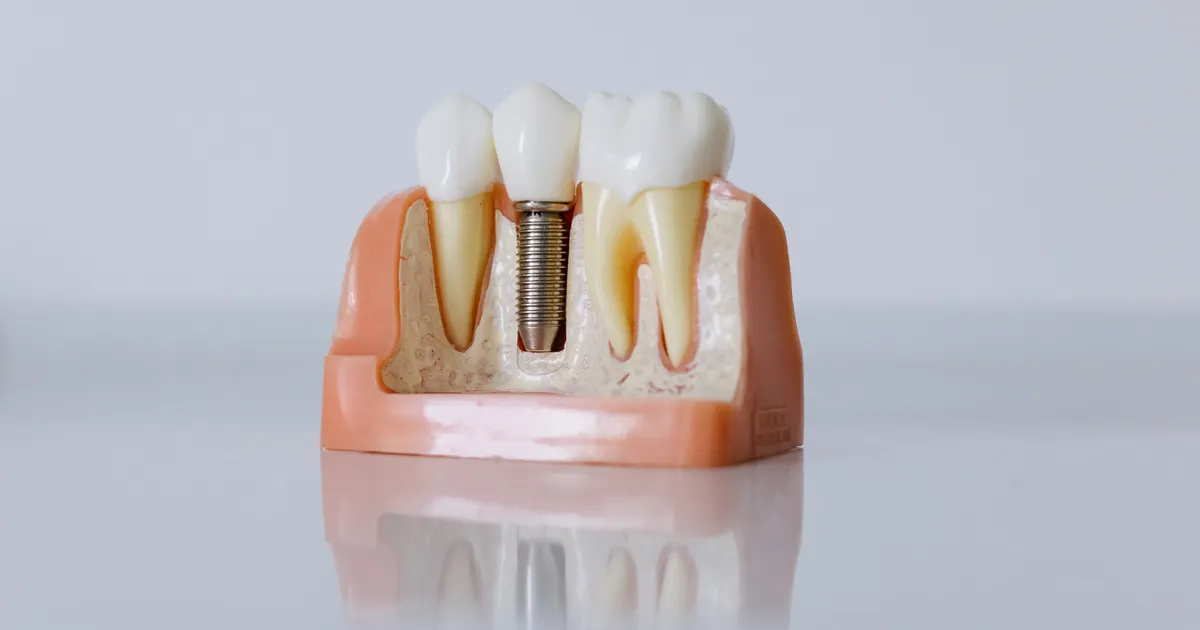
What is a dental implant and how is implant treatment carried out?
A dental implant is a titanium screw that replaces the root of a lost tooth. Osseointegration, the parts of an implant, who it may suit and the stages of treatment, explained simply.
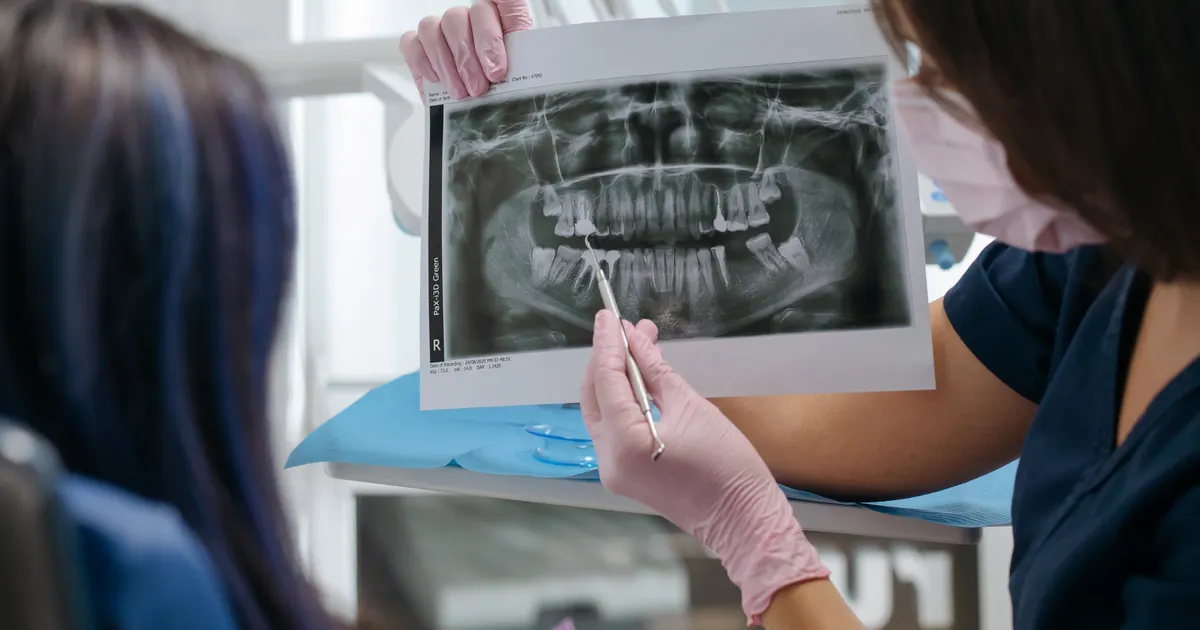
What is an occlusal X-ray?
Occlusal X-ray — an intraoral image covering a wide area: used for the position of front teeth, unerupted teeth in children, palatal pathology and cysts.
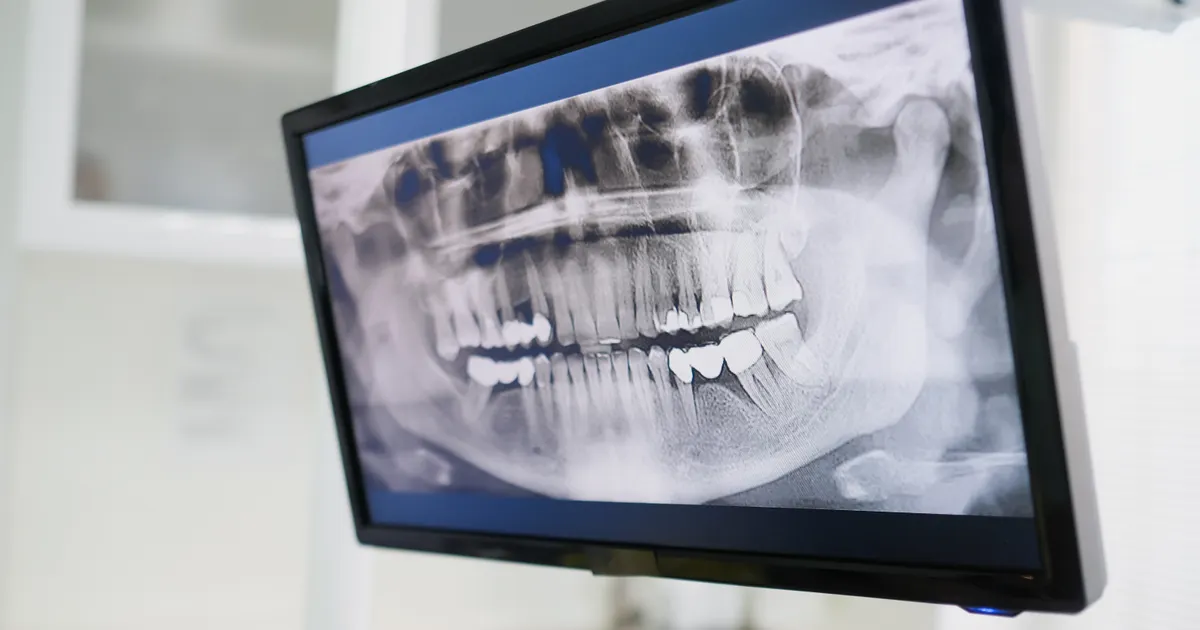
How are hidden teeth detected?
How are hidden (impacted) teeth — wisdom teeth, canines and others — detected? The role of panoramic X-ray and CBCT, explained step by step — Dr. Bakhtiyar.
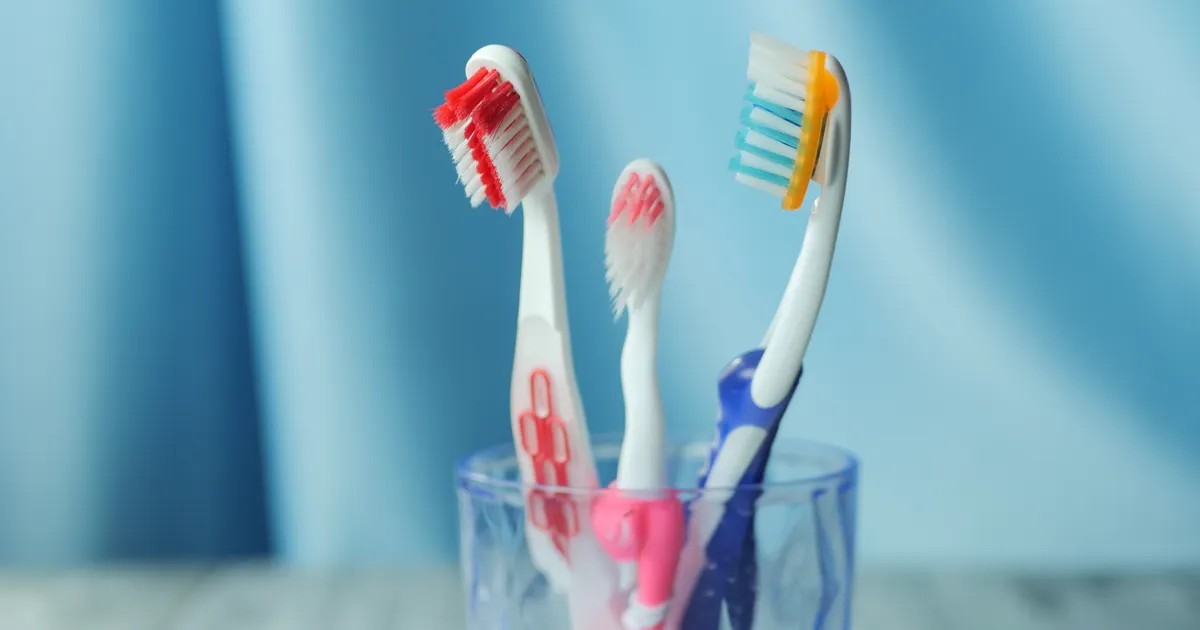
Electric Toothbrush vs Manual Brush: Which Is Better?
An electric toothbrush may clean plaque slightly better, especially if technique is hard for you. A correctly used manual brush also keeps the mouth healthy.
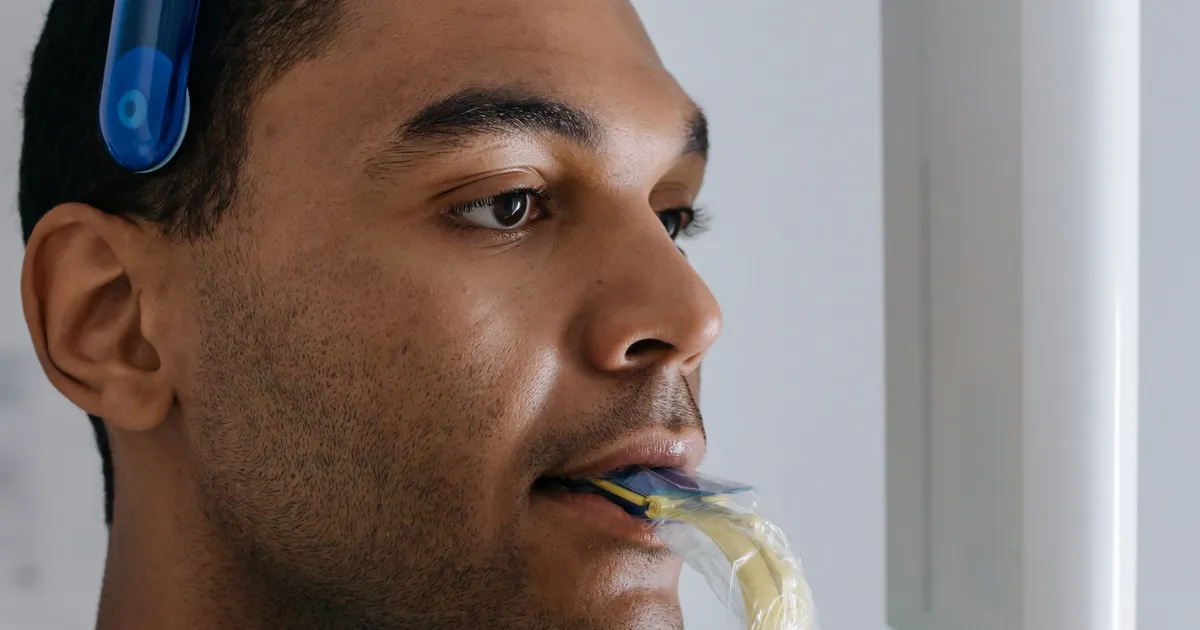
When are MRI, CBCT and axiography used for TMJ pain?
Which imaging does jaw joint pain need? A plain-language summary of the AAOMR/AAOP TMJ imaging recommendations: MRI for the disc, CBCT for bone, X-ray limits.

Dental Tourism: What You Need to Know About Treatment in Azerbaijan
Dental tourism means travelling abroad for dental treatment. What to consider when planning care in Azerbaijan: stages, timing, aftercare and realistic expectations.

Brushing and Flossing Correctly: A Step-by-Step Guide
Twice a day for two minutes, soft brush, fluoride toothpaste, spit don't rinse and daily interdental cleaning — brushing and flossing step by step.
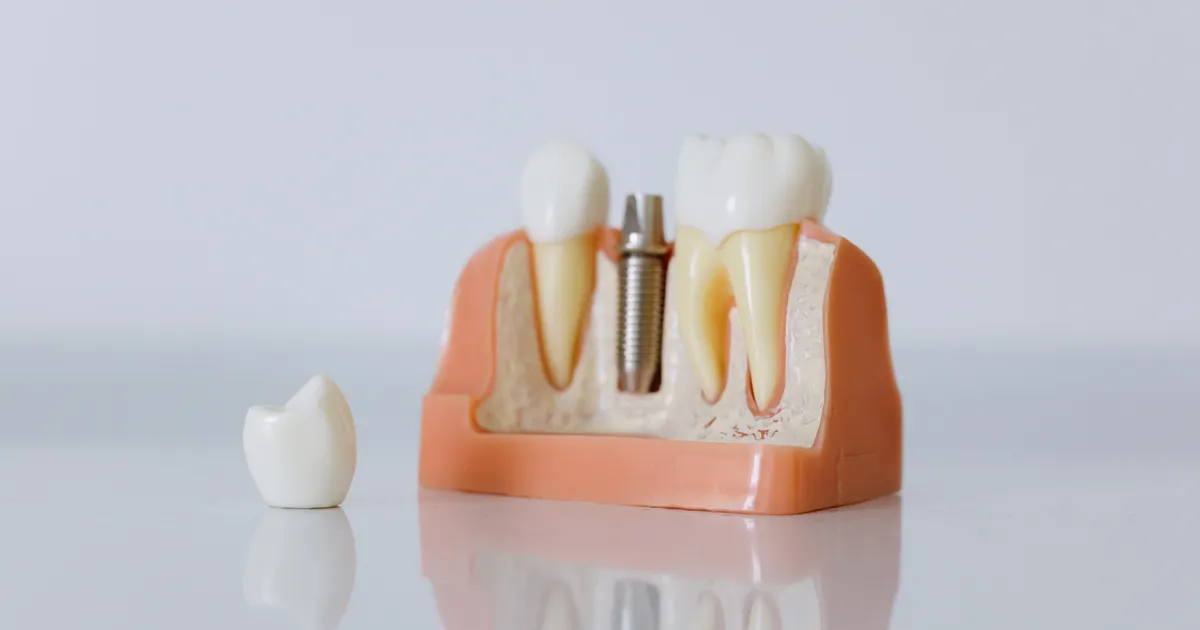
Implant or bridge? Which option suits which situation
An implant does not touch the neighbouring teeth, while a bridge rests on them. Selection criteria and a comparison table based on bone, the condition of adjacent teeth and general health.
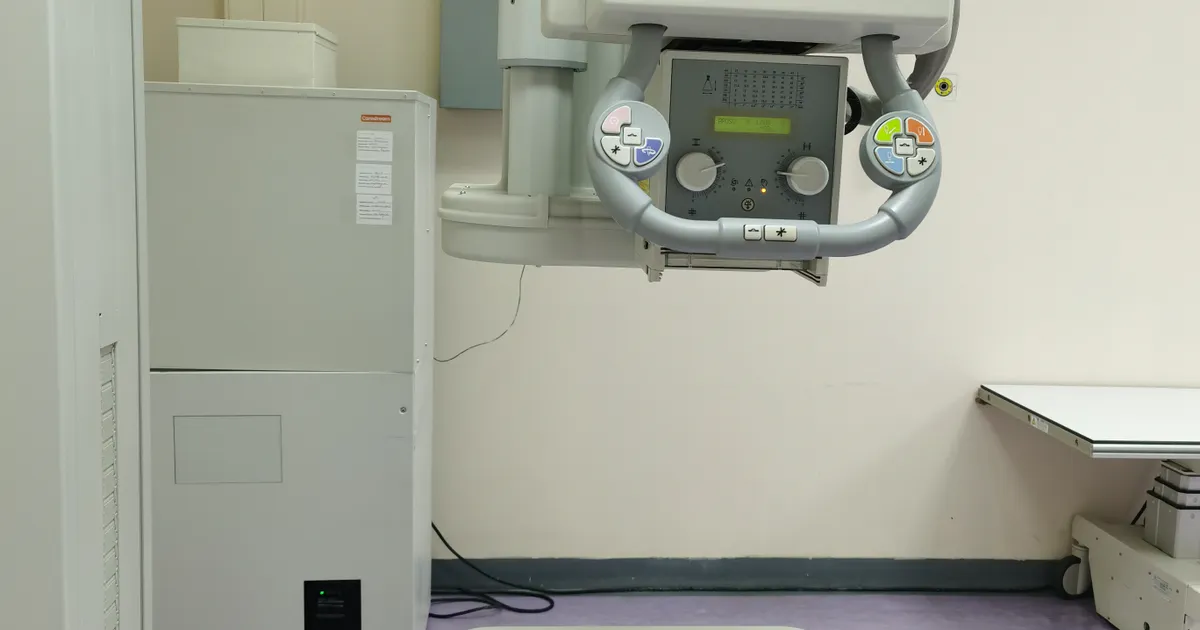
Is CBCT radiation high?
CBCT dose in figures by FOV, compared with panoramic X-ray and conventional CT, how Low Dose CBCT works and who it suits — clinical indications and risk assessment.

Oral Health and Overall Health: What Is the Connection?
Oral health is closely linked to overall health: gum disease is associated with diabetes, heart health and pregnancy. Dr. Nuran explains the connection.
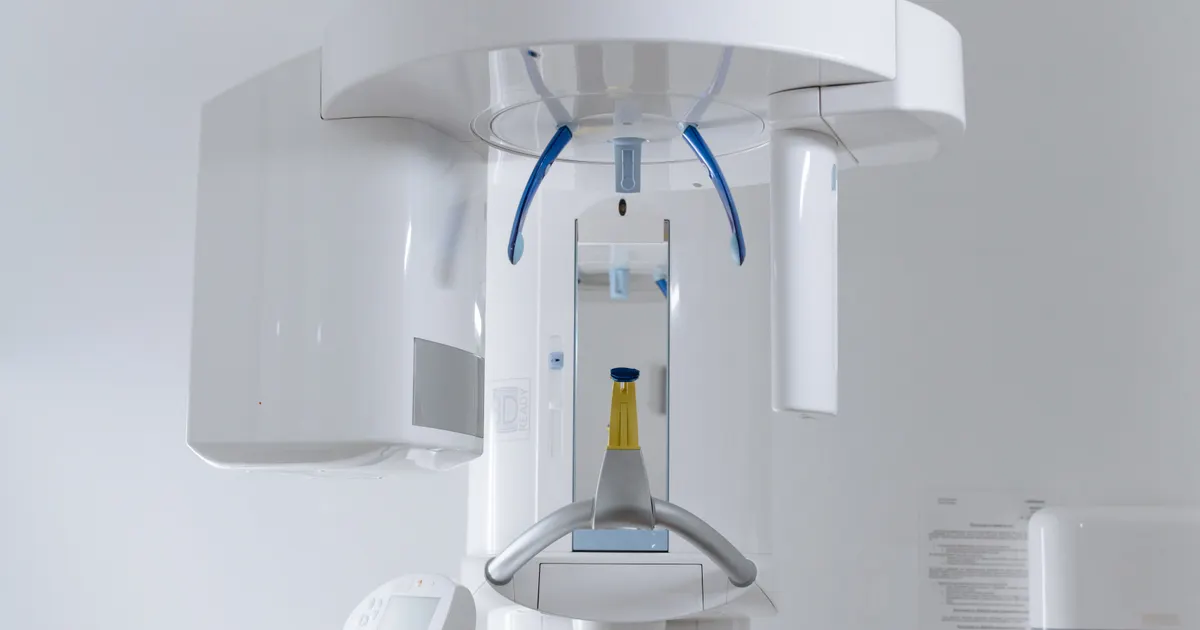
What is a panoramic X-ray?
Panoramic X-ray (OPG) is a 2D dental image of both jaws. What it shows, when it is enough, when CBCT is needed, and its limits — explained by a dentist.

Can you take your X-ray results to another dentist? Format, storage and validity
Can another dentist use your X-ray? Why DICOM matters, CD vs USB vs cloud, whether results expire and when a new image is needed — explained by a dentist.
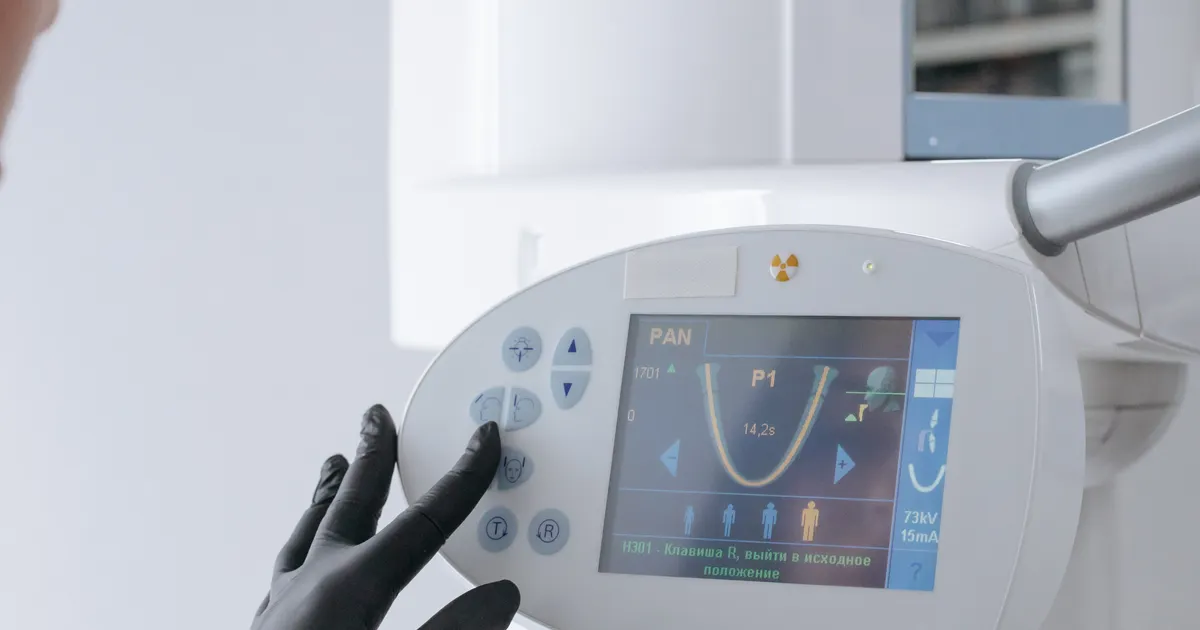
What is digital X-ray?
Digital X-ray — a sensor instead of film for instant images, a 60–80% lower dose and DICOM archiving. How it works and what the benefits are.
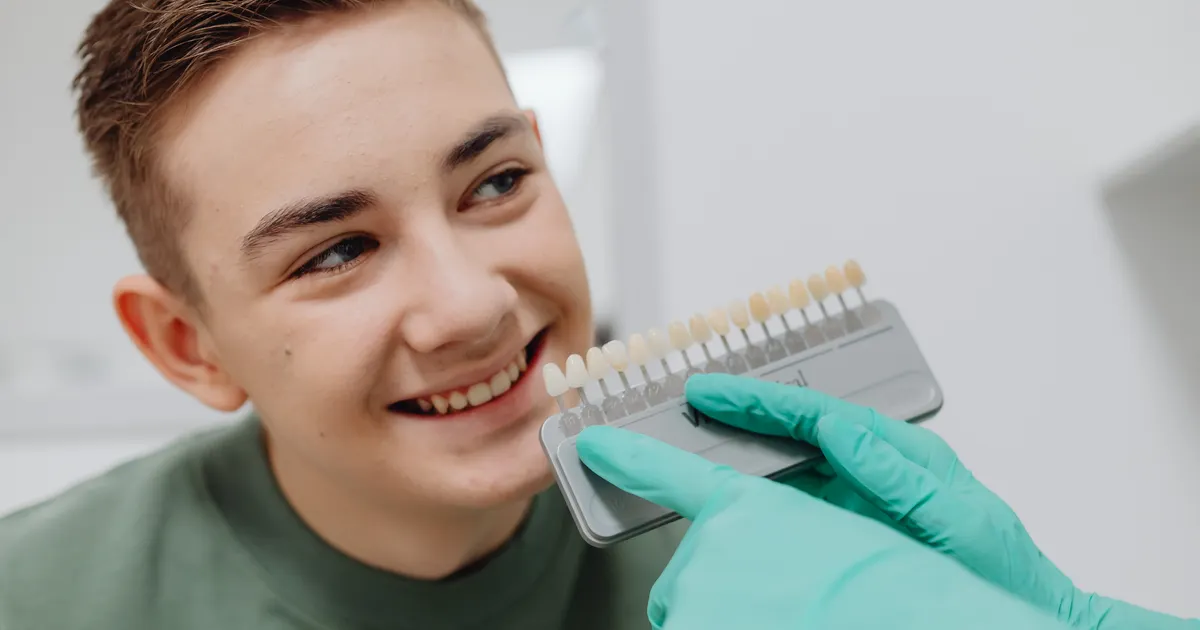
Is Teeth Whitening Safe? Methods and Expectations
Teeth whitening is generally safe under dentist supervision: professional and home methods, temporary sensitivity and realistic expectations.
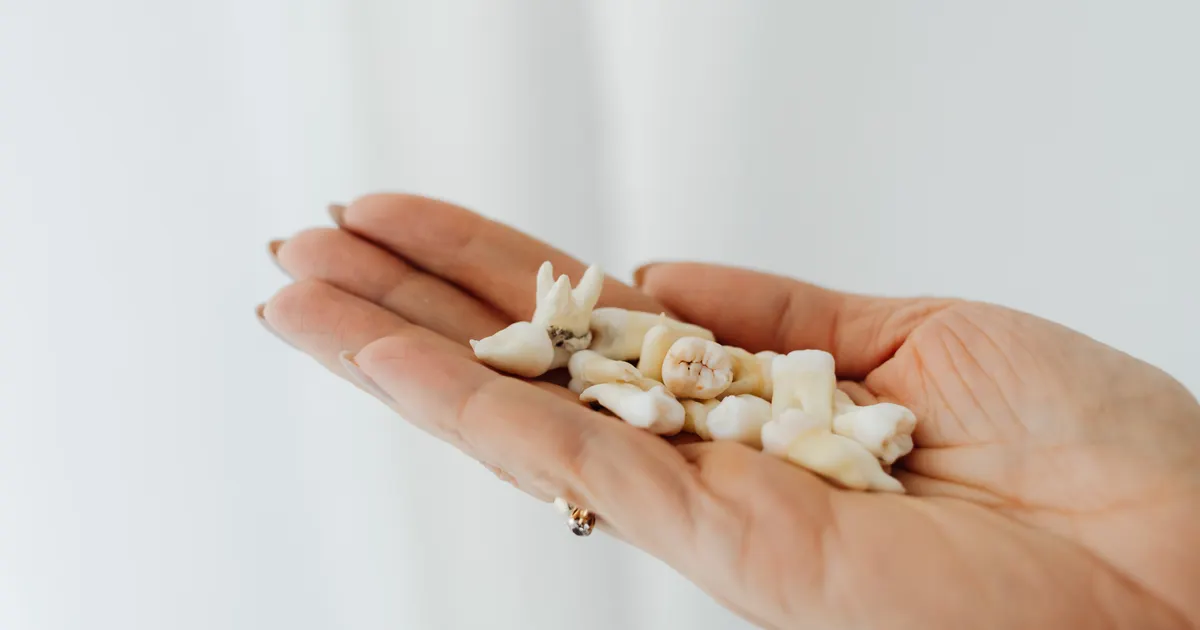
Wisdom Tooth Extraction: When Is It Needed and How Does Healing Go?
A wisdom tooth is not always removed — only in cases of pain, crowding, infection or improper eruption. When it is needed, how the procedure goes and how long healing takes — Dr. Bakhtiyar explains.
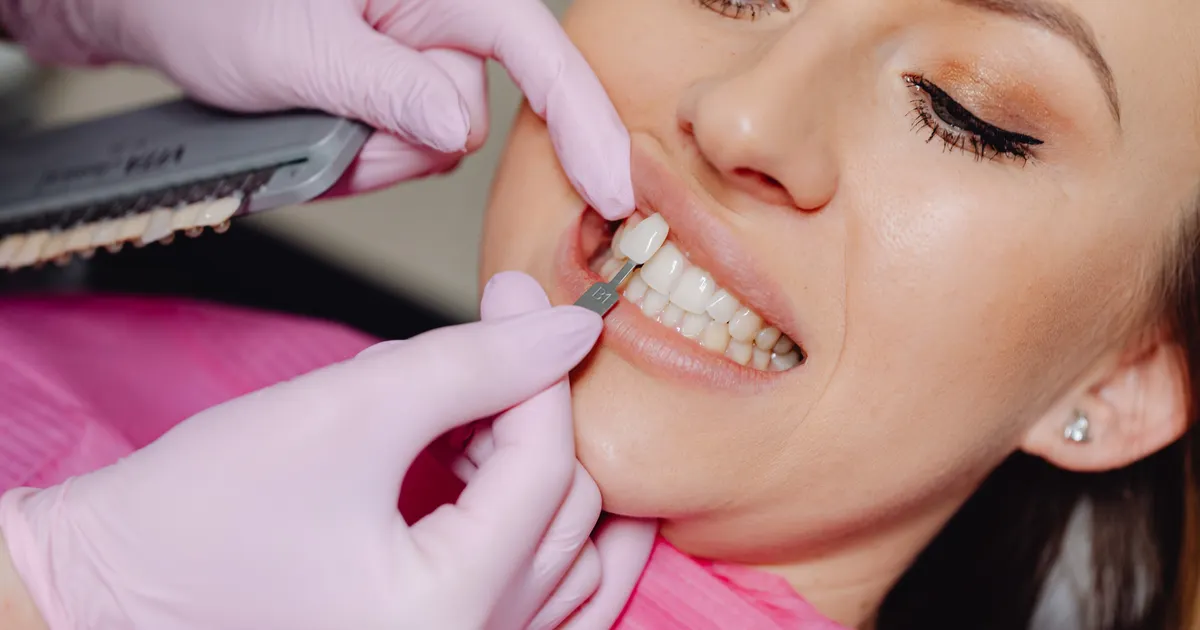
Veneers or Teeth Whitening? How to Make the Right Aesthetic Choice
Whitening only lightens your own shade and is reversible; veneers change colour, shape and surface at once, but usually are not. When each one suits you.
What are the signs of dental implant failure?
Signs of dental implant failure: mobility, persistent pain, bleeding, pus and bone loss. The difference between early and late loss, and when to see a dentist urgently.
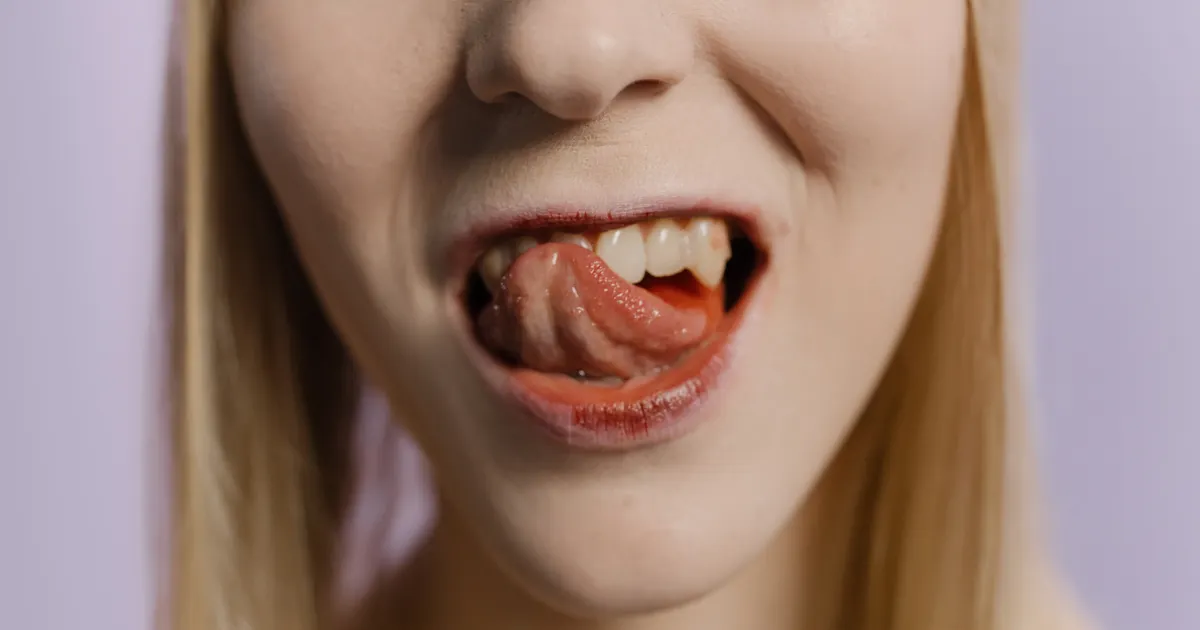
Tongue Cleaning and Oral Hygiene: Why It Matters
Bacteria on the tongue is a leading source of bad breath and plaque. How to clean your tongue properly and why it belongs in daily hygiene — by Dr. Minaya.
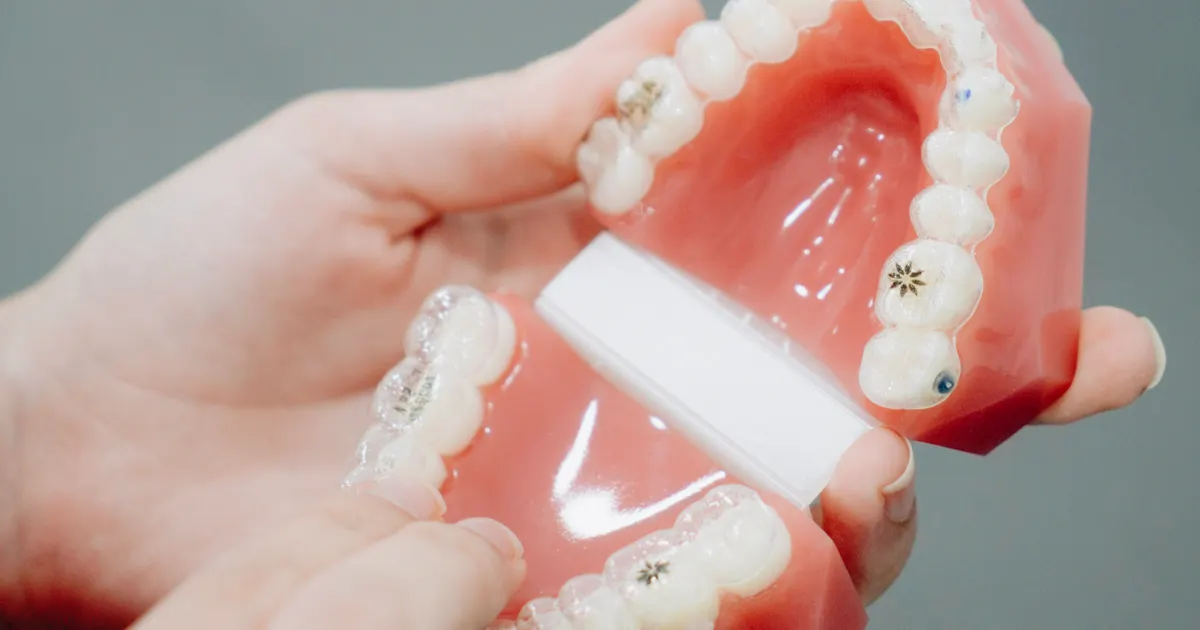
Which X-rays are needed for braces? | Dr. Bakhtiyar
Which X-rays are taken before braces or clear aligner treatment? Why both a panoramic and a cephalometric X-ray are needed, and in which specific cases CBCT is added — a guide to orthodontic imaging.
What is an aesthetic crown and when is it needed? Types of crowns
When an aesthetic (all-ceramic) crown is needed, how it differs from a filling and a veneer, zirconia, lithium disilicate and metal-ceramic types, selection criteria and survival figures.
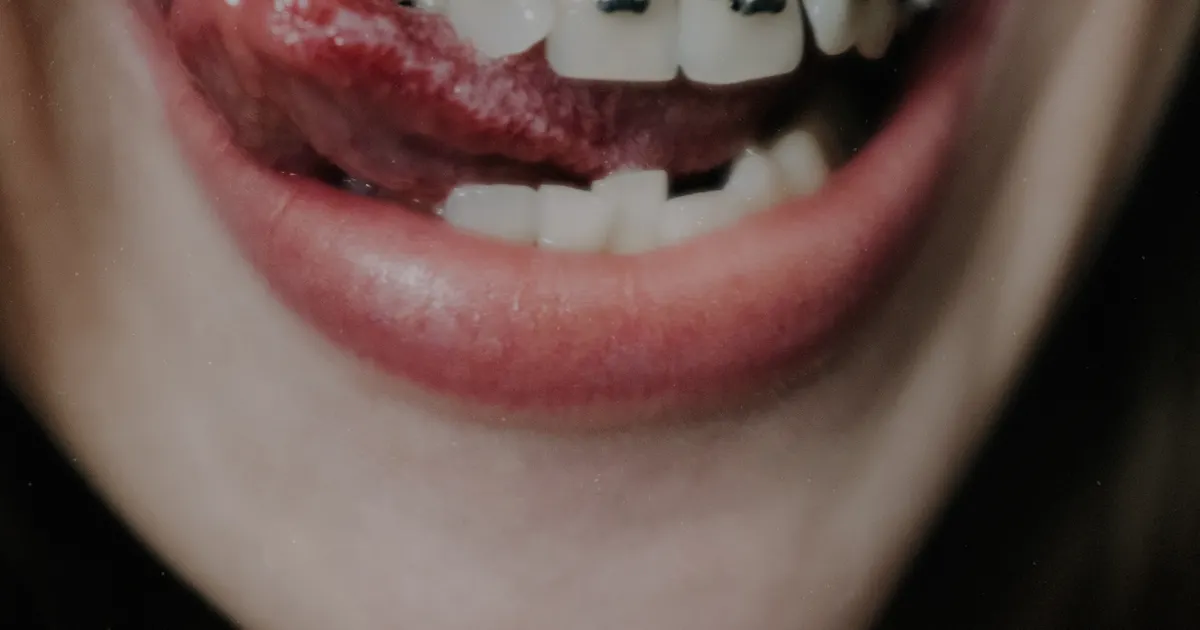
Do wisdom teeth affect braces treatment?
Do wisdom teeth really affect orthodontic treatment with braces? Extraction decisions, scientific research and a practical explanation from Dr. Maharram Mammadov.
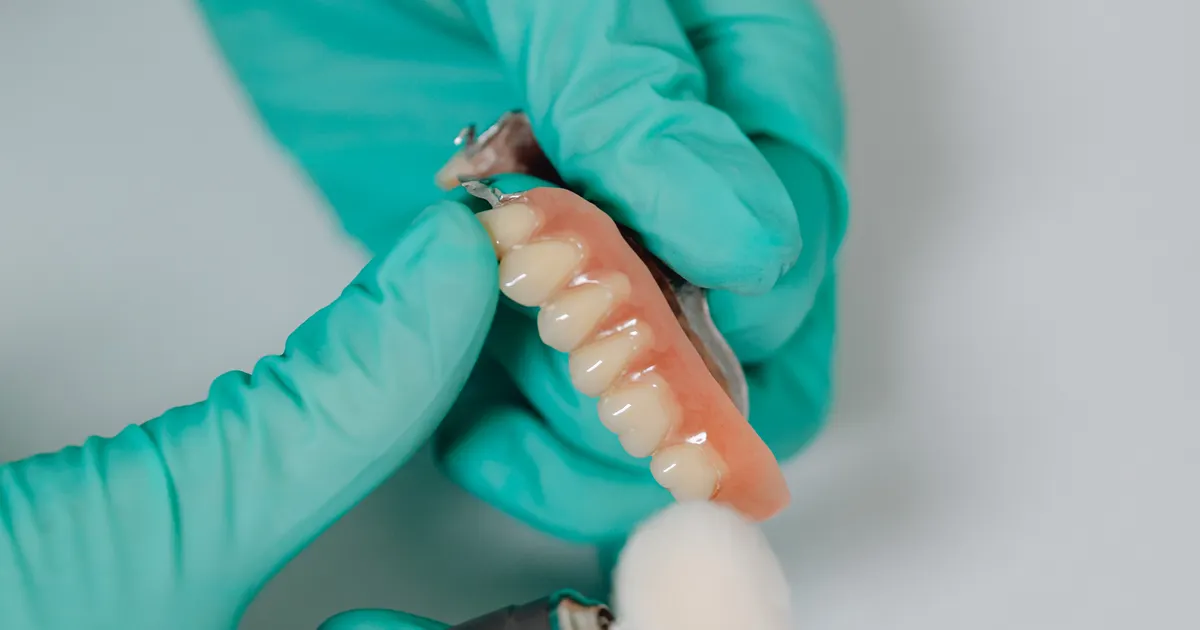
Denture (Removable Plate) vs Implant: Which Should You Choose?
Removable dentures and dental implants restore missing teeth in different ways. Dr. Bakhtiyar explains the key differences and how to choose between them.
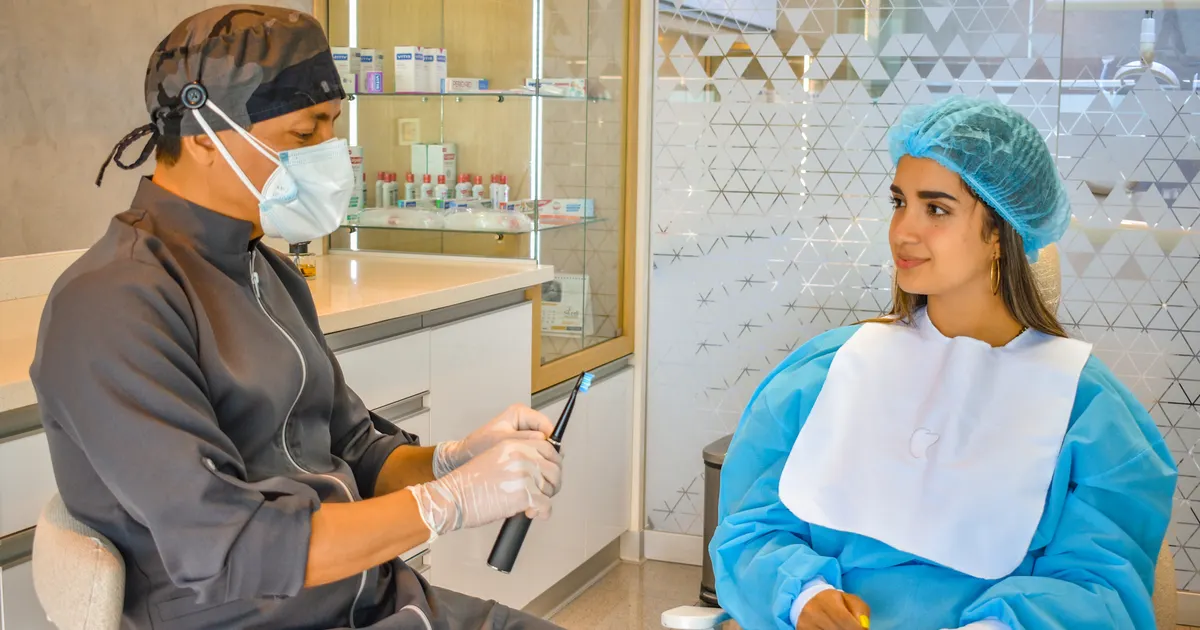
Tooth Loss and Jawbone Loss: Why Timing Matters
Once a tooth is lost, the jawbone is no longer loaded and can gradually resorb. Dr. Bakhtiyar explains why this happens, what it can lead to and why timing matters in restoration.
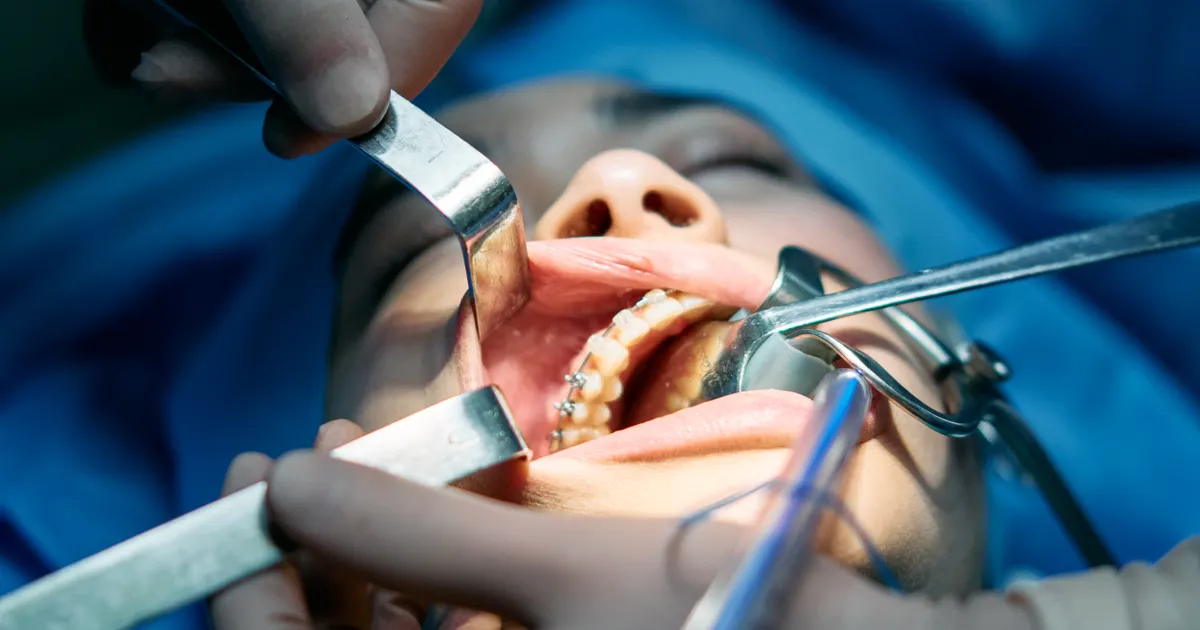
What is bone grafting and when is it needed before an implant?
What bone grafting (augmentation) is, which types of material exist, when it is needed before an implant and how long healing takes — explained by a dentist.

What does CBCT show? Which conditions and findings can be detected
What a CBCT scan shows: cysts, abscesses, root canal problems, bone loss, impacted teeth, the nerve canal, sinusitis, fractures and TMJ changes, explained by a dentist.

What is DICOM?
DICOM is the standard format for X-ray and CBCT images. What it stores, how it differs from JPEG and PDF, and why implant planning needs it.

Dry Mouth (Xerostomia): Causes and Effects on Dental Health
Dry mouth (xerostomia) occurs when saliva flow decreases and can raise the risk of tooth decay and gum problems. Causes, symptoms and what to do — explained by Dr. Minaya.
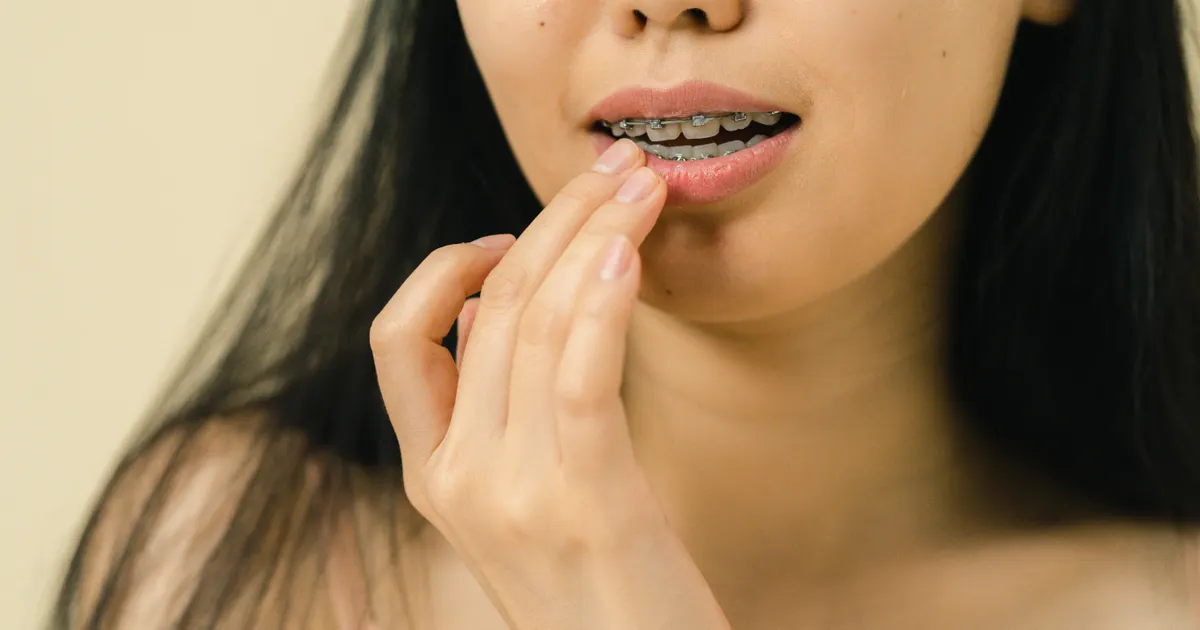
Mouth Ulcers (Aphthous Ulcers/Stomatitis): Causes and What to Do
Mouth ulcers (aphthous ulcers) are small, often painful sores in the mouth that usually heal on their own. Causes, home relief and when to see a dentist.
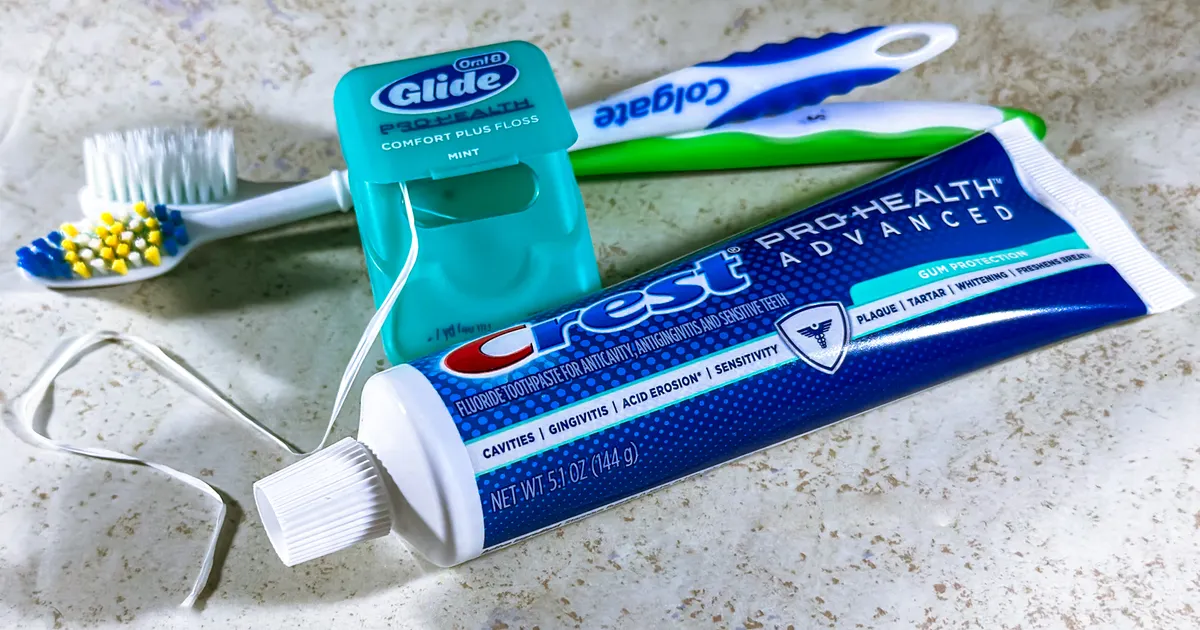
Tooth Sensitivity: Causes and Treatment Options
Tooth sensitivity is a short, sharp pain triggered by hot, cold or sweet — usually caused by exposed dentin or gum recession. Causes, home measures and when to see a dentist — explained by Dr. Nuran.
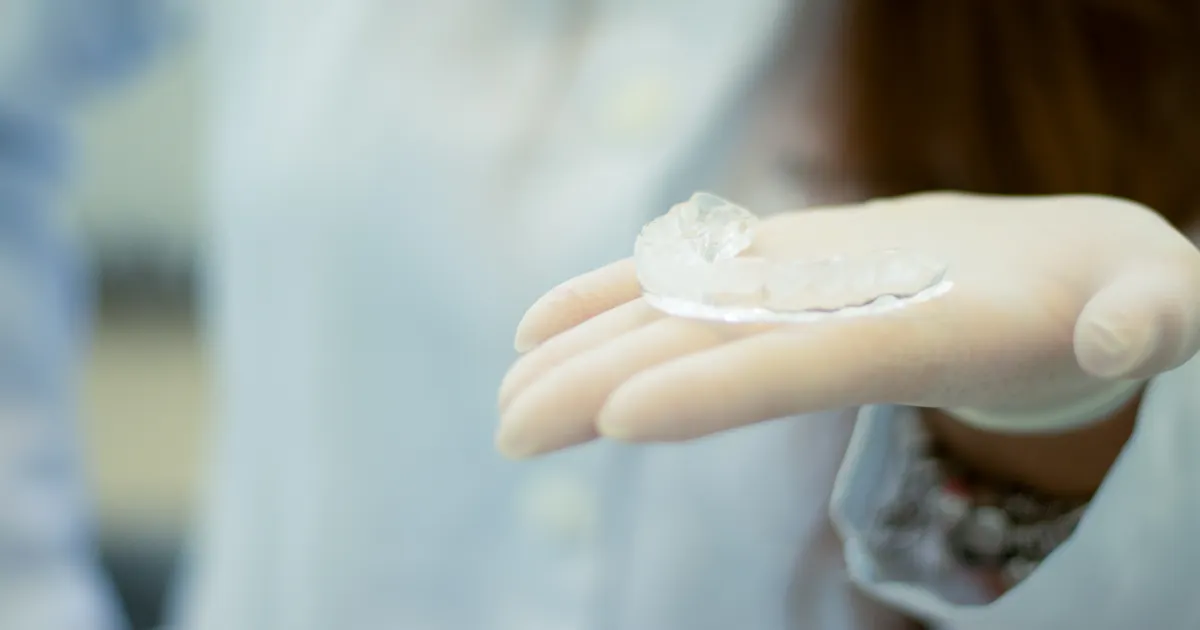
What is bruxism and how does teeth clenching affect the TMJ?
What bruxism (teeth clenching and grinding) is: sleep and awake types, symptoms, effects on the teeth and TMJ, and management with a night guard and stress control.

Tooth Decay in Baby Teeth: Why It Matters and How to Prevent It
Tooth decay in baby teeth is serious: it holds space for adult teeth and affects chewing and speech. Causes, prevention and the first dental visit.

Tooth Enamel Erosion: Causes and Ways to Protect Your Teeth
Enamel erosion is acid slowly dissolving enamel — fizzy drinks, acidic foods, reflux and vomiting. Early signs, prevention and when to see a dentist, with Dr. Nuran.
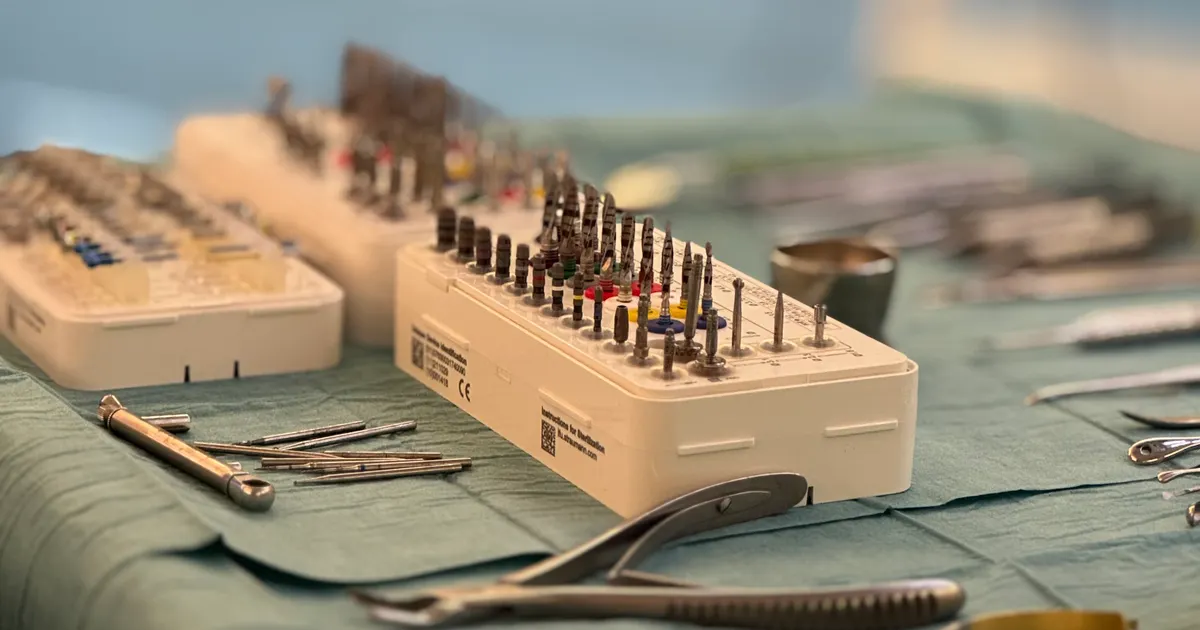
What can be done if there is not enough bone for an implant?
What are the options if there is too little jawbone for an implant? Bone grafting, sinus lift, short and narrow implants, tilted placement and planning explained.