

Periodontitis (Gum Disease): Stages and Treatment
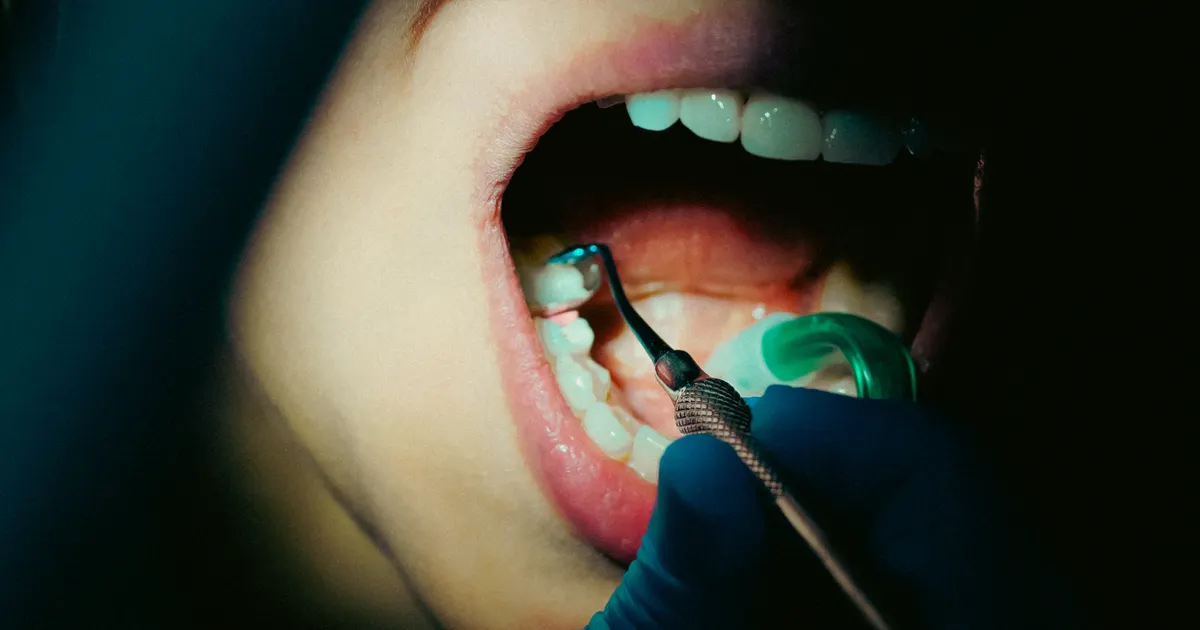
Periodontitis is a serious, progressive inflammatory disease of the gums and of the bone and ligament tissues that hold the tooth in place — it usually develops as a continuation of untreated gingivitis (gum inflammation). In the early stage the signs are mild, but the disease gradually destroys the bone that supports the tooth and, if left untreated, can lead to tooth loss. The good news: when detected early, periodontitis can be brought under control and gum health can be preserved. This is why signs such as bleeding or receding gums should never be ignored.
What does the research say? According to the classification of the 2017 World Workshop, periodontitis is assessed by stage (I–IV: the extent of bone loss and the complexity of the case) and by grade (A–C: the rate of progression, and factors such as smoking and diabetes). The 2020 S3 clinical guideline of the EFP sets out treatment in steps: first hygiene and control of risk factors, then professional subgingival cleaning, a surgical step in sites that do not respond, and ongoing supportive care. The two-way link between periodontitis and diabetes has been documented in the EFP/IDF consensus. Related: Gum disease treatment service · Tartar and professional cleaning · Diabetes and dental health.
What is periodontitis?
Periodontitis begins beneath the gum — between the tooth and the gum — as a result of the build-up of bacterial plaque and tartar. The continuous inflammation caused by the bacteria pulls the gum away from the tooth, and spaces called “pockets” are formed. Bacteria multiply further in these pockets, the inflammation deepens and, over time, it destroys the alveolar bone that supports the tooth. Unlike gingivitis, the bone loss that occurs in periodontitis is not reversible — so the aim is to stop the disease and prevent further loss.
The difference between gingivitis and periodontitis
Gingivitis is the earliest and reversible stage of gum disease: the gums become red, swollen and bleed, but the bone is not yet damaged. With proper hygiene and professional cleaning, gingivitis can heal completely. Periodontitis, on the other hand, is the next, more serious stage that gingivitis progresses to when it is left untreated — here the bone and ligament tissue are already being damaged. In other words, every case of periodontitis starts with gingivitis, but not every case of gingivitis turns into periodontitis.
The stages
Periodontitis is usually classified according to its severity:
- Early (mild) periodontitis — the gum begins to separate from the tooth, small pockets form and there is a small amount of bone loss. The signs are often mild.
- Moderate periodontitis — the pockets deepen, bone loss increases, and gum recession and tooth sensitivity may appear.
- Severe (advanced) periodontitis — deep pockets and significant bone loss; teeth may become loose, shift position or be lost.
Only a dentist can determine the stage precisely, through an examination, measuring pocket depths and X-rays.
The signs
- Bleeding gums when brushing or cleaning between the teeth
- Red, swollen or tender gums
- Receding gums — the teeth look longer
- Persistent bad breath or a bad taste in the mouth
- Gaps appearing between the teeth
- Loose teeth or a change in the bite
In the early stage these signs can be painless — this is the main reason why periodontitis progresses “silently”.
Risk factors
- Poor oral hygiene — accumulated plaque and tartar are the main cause.
- Smoking — one of the strongest risk factors, and it also makes treatment more difficult.
- Diabetes — poorly controlled blood sugar increases inflammation (see: diabetes and dental health).
- Genetic predisposition, stress, certain medications and hormonal changes can also increase the risk.
Treatment options
Treatment depends on the stage of the disease:
- Professional deep cleaning (scaling and root planing) — the plaque and tartar beneath the gum are removed and the root surface is smoothed so that the gum can reattach to the tooth. This is the main treatment in early and moderate periodontitis.
- Antibacterial support — in some cases local or oral antibacterial agents may be added.
- Surgical treatment — when there are deep pockets or significant bone loss, flap surgery or bone or tissue regeneration may be required.
- Supportive periodontal care — regular (usually more frequent) professional check-ups and cleanings after treatment make sure the disease does not come back.
The treatment plan and its outcome are individual; the exact approach is determined by the dentist after an examination.
When should you see a dentist?
- Persistent bleeding, redness or swelling of the gums
- Receding gums or teeth that look longer
- Loose teeth or a change in the bite
- Bad breath that does not go away
With periodontitis, timing matters: the sooner you seek help, the higher the chance of saving the teeth.
Points to keep in mind
- Periodontitis is the continuation of untreated gingivitis and it destroys the bone that supports the tooth.
- Bone loss is not reversible — the aim is to stop the disease early.
- In the early stage the signs can be painless, so regular check-ups are essential.
- Proper hygiene, giving up smoking and professional care are the most effective protection.
Questions and Answers (FAQ)
Can periodontitis be cured completely? The bone loss caused by periodontitis cannot be reversed, but the disease itself can be brought under control. With treatment and regular supportive care, the inflammation can be stopped and the teeth can be preserved for a long time. That is why “control and stabilisation” is a more accurate expression than “cure”.
My gums bleed — does that definitely mean periodontitis? Not necessarily. Bleeding gums are most often a sign of gingivitis — the early and reversible stage. However, bleeding can also be an early signal of periodontitis. Only a dentist can tell the difference precisely, through an examination and, where necessary, X-rays.
Does periodontitis cause tooth loss? Yes, if it is left untreated. The disease gradually destroys the bone that supports the tooth, so the teeth become loose and may be lost. In fact, periodontitis is one of the main causes of tooth loss in adults — which is why early treatment is decisive.
How can periodontitis be prevented? Brushing properly twice a day, cleaning between the teeth every day, regular professional cleaning and giving up smoking are the most effective ways. Showing gum symptoms to a dentist at an early stage can prevent the condition from turning into periodontitis.
Clinical note: This article is for general information and does not replace individual advice from your dentist. For gum problems, book an appointment.
Sources: Peer-reviewed dental literature on periodontology and oral hygiene. The clinical content is based on Dr. Nuran’s dental practice.
Sources
- Periodontitis: Consensus report of workgroup 2 of the 2017 World Workshop on the Classification of Periodontal and Peri-Implant Diseases and Conditions — Journal of Periodontology, 2018 (AAP/EFP)
- Treatment of stage I–III periodontitis — The EFP S3 level clinical practice guideline — Journal of Clinical Periodontology, 2020 (EFP)
- Scientific evidence on the links between periodontal diseases and diabetes: Consensus report and guidelines of the joint workshop — Journal of Clinical Periodontology, 2018 (EFP/IDF)
This article is for general information only and does not replace an individual diagnosis, examination or treatment. Consult a doctor for a decision about your case.