

Tartar and Your Gums: Why Professional Cleaning Matters
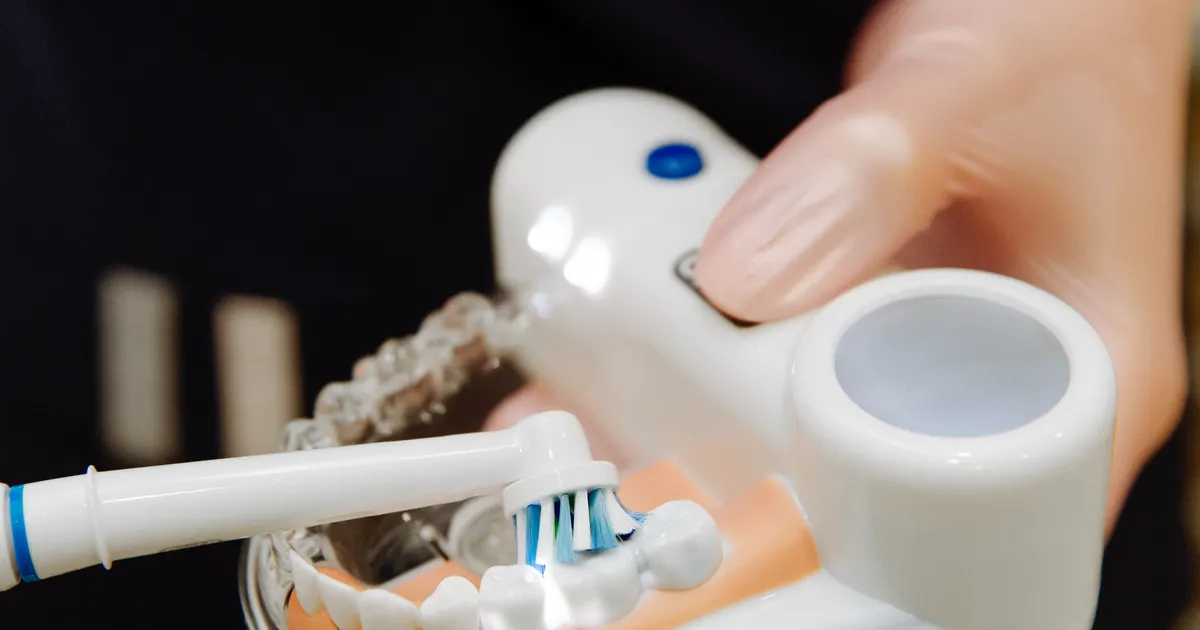
Tartar is hardened deposit on the teeth and along the gum line; it collects bacteria, inflames the gums and, if it is not removed in time, can progress from gingivitis to periodontitis. Professional cleaning removes this hardened deposit while the gums are still healthy, helping to prevent gum disease and the tooth loss that comes with it. Brushing and flossing at home control soft plaque, but once tartar has hardened, only dental instruments can remove it.
Important note: This article focuses on the link between tartar and gum health. We explain how the procedure itself is carried out in a separate article, Tartar Removal, and the difference between tartar and plaque in Tartar vs Plaque.
How does tartar damage the gums?
The surface of tartar is rough and makes an ideal home for bacteria. As this deposit builds up near and below the gum line, it irritates the gums constantly. The result is a step-by-step process:
- Gingivitis (early stage) — the gums become red and swollen and bleed during brushing. At this stage the damage is in most cases reversible.
- Periodontitis (advanced stage) — the inflammation spreads to the tissue beneath the gums and to the jawbone. The gum pulls away from the tooth, creating a pocket, and deposits collect deeper down.
- Loose teeth and tooth loss — as the bone support weakens, teeth may become loose and can eventually be lost.
The key point is this: damage at the gingivitis stage can often be reversed, but in periodontitis the bone that has been lost does not regenerate on its own. That is why intervening at an early stage matters most.
Why is brushing at home not enough?
Correct brushing and daily flossing are essential — they control soft plaque and slow down how quickly tartar forms. However, once plaque has hardened into tartar with the minerals in saliva, home care can no longer remove it. What is more, tartar often builds up below the gum line — an area a brush and floss cannot reach. Professional cleaning closes exactly this gap.
How does professional cleaning protect the gums?
The dentist removes tartar with an ultrasonic tip and hand instruments, including from near the gum line. This reduces the bacterial load and gives the gums a chance to heal:
- as the inflammation settles, redness and bleeding of the gums can gradually subside;
- when the surface is polished, plaque takes longer to build up again;
- at the same time the dentist can examine your gums and pick up early signs of periodontitis.
If there are deep deposits below the gum line, the dentist may recommend a deeper cleaning (root planing) or periodontal treatment. Only an examination can determine whether this is needed.
How often is it needed?
The frequency is individual and depends on your gum health, how quickly plaque builds up for you, smoking, and whether you have braces or implants. For many healthy adults, once or twice a year may be suitable; for people with gum disease, more frequent visits may be recommended. Only your dentist can decide on the right schedule for you after an examination.
Daily steps that strengthen gum health
- brushing correctly twice a day with a soft brush;
- cleaning between the teeth daily with floss or an interdental brush;
- giving up smoking — smoking is one of the main risk factors for gum disease;
- if you have persistent bleeding when brushing, receding gums or bad breath, see your dentist without delay.
Professional cleaning does not replace hygiene at home — it complements it. The best results come from combining correct daily care with regular professional check-ups.
Questions and Answers (FAQ)
Can tartar really cause tooth loss? Not tartar directly, but the long-term gum inflammation it causes (periodontitis) can weaken the jawbone and lead to loose teeth and tooth loss. Removing tartar in good time helps to break this chain.
If my gums bleed, will cleaning not make it worse? Quite the opposite — bleeding is often a sign of inflammation. Once the tartar is removed and the gums heal, the bleeding usually decreases. Mild sensitivity in the first few days after the procedure is normal and passes quickly.
Can tartar be dissolved and removed with home remedies? No. The home recipes circulating online cannot safely remove hardened tartar, and some of them may damage the enamel or the gums. Hardened tartar can only be removed with dental instruments.
My gums look healthy — do I still need a cleaning? You may well do. Tartar often builds up below the gum line, where it cannot be seen. Regular check-ups make it possible to detect a problem before the symptoms become more pronounced.
Clinical note: This article is for general information only and does not replace individual advice from your dentist. To have your gum health assessed, book an appointment.
Sources: World Health Organization (WHO) — oral health; peer-reviewed dental literature on periodontology. The clinical content is based on Dr. Minaya's dental practice.
This article is for general information only and does not replace an individual diagnosis, examination or treatment. Consult a doctor for a decision about your case.