

Tartar Removal: What It Is, How It Is Done and How Often You Need It
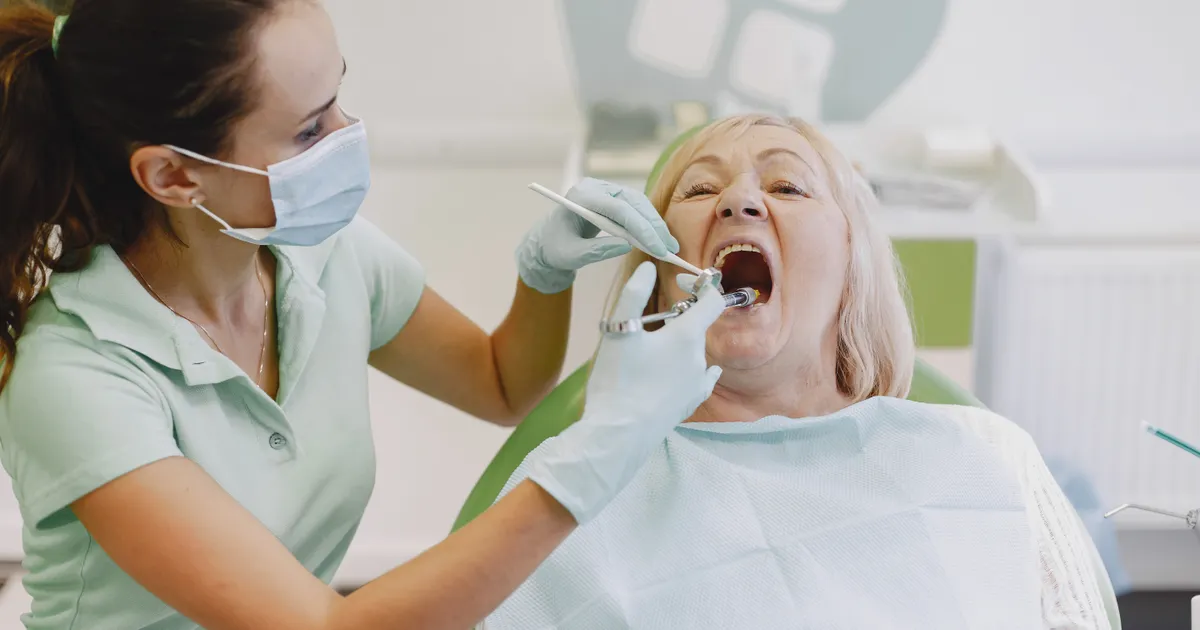
Tartar removal is the removal of hardened deposits (tartar) from the tooth surfaces and from below the gum line using ultrasonic and hand instruments, followed by polishing of the surfaces. Tartar cannot be removed with a brush and floss: once it has hardened, only a dentist or hygienist can clean it off. The procedure usually takes 30–45 minutes, it is painless when the gums are healthy, and when the gums are inflamed it is carried out comfortably with local anaesthesia. The frequency is not the same for everyone: with a healthy mouth every 12–24 months may be enough, while people with gum disease, smokers or those with implants or braces may need it every 3–6 months — the interval is set by the dentist after an examination.
What does the research say? A 2018 Cochrane review showed that in adults with healthy gums or mild gingivitis, a routine cleaning every 6 or 12 months had little or no effect on gum inflammation and pocket depth over 2–3 years, while slightly reducing the amount of tartar; patients felt that their teeth were cleaner. That is why the modern approach is not two visits a year for everyone but an individual, risk-based interval: NICE (CG19) recommends setting the recall interval for adults individually, from 3 months up to 24 months. For people with periodontitis the situation is different — according to the EFP 2020 S3 guideline, professional removal of supragingival and subgingival deposits is a core step of treatment, and regular supportive care is required to maintain the result. The NIDCR also stresses that tartar can only be removed by professional cleaning, and highlights its role in preventing gum disease.
Related: professional cleaning · tartar vs plaque · bleeding gums (gingivitis)
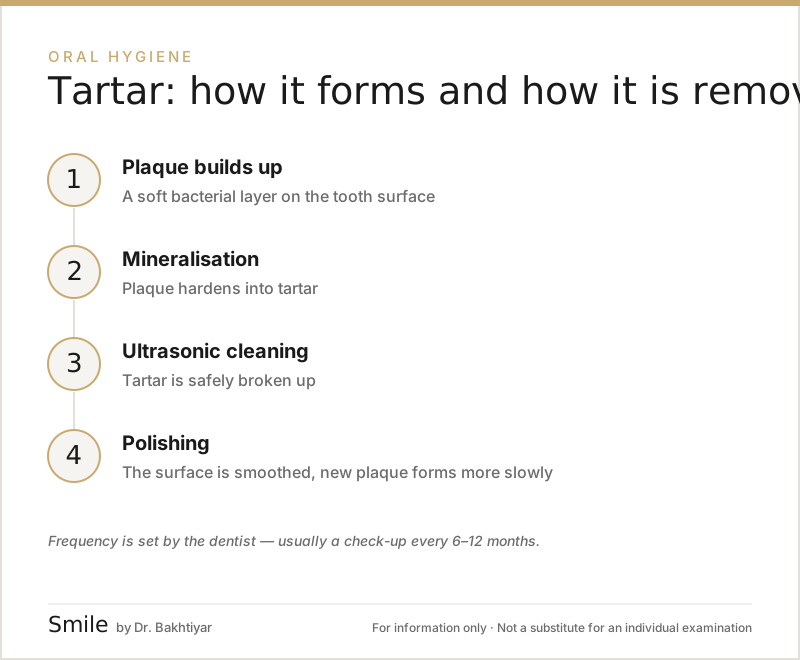
How tartar forms and how it is removed.
How does tartar form?
A few hours after eating, a soft, sticky bacterial layer — plaque — builds up on the teeth. Plaque is easily removed with daily brushing and flossing. Plaque that is not cleaned away mineralises within a few days with the calcium and phosphate in saliva and turns into tartar. Because the surface of tartar is rough, even more plaque sticks to it — and the cycle speeds up. It builds up most of all near the salivary ducts: behind the lower front teeth and on the cheek side of the upper molars. More on the difference: tartar vs plaque.
How is the procedure carried out?
| Stage | What is done | What you feel |
|---|---|---|
| 1. Examination | The gums, pocket depth and the amount of deposit are assessed | Just a check-up |
| 2. Ultrasonic cleaning (scaling) | A vibrating tip breaks up the tartar, which is washed away with water | Vibration, coolness, sound |
| 3. Fine cleaning with hand instruments | Any remaining deposits near the gum line are removed precisely | Light pressure |
| 4. Polishing | The surface is smoothed with paste or Air Flow — plaque sticks less easily | A pleasant, clean feeling |
| 5. Recommendations | An individual hygiene plan and the interval to the next visit | — |
For surface stains, Air Flow powder-and-water cleaning may also be used. If there are deep deposits and pockets below the gum line, this is no longer routine hygiene — the dentist will plan periodontal treatment (subgingival cleaning, root surface smoothing).
Is it painful?
When the gums are healthy the procedure is painless — most people only feel vibration and coolness. If the gums are inflamed, there is a lot of tartar or the root surface is exposed, there may be some discomfort; in such cases a local anaesthetic gel or injection is used. Tell us about your sensitivity in advance — the procedure is then planned in stages and comfortably. Sensitivity to cold and heat for 1–3 days after the cleaning is normal (tooth sensitivity).
How often is it needed?
There is no fixed rule — the interval is chosen according to risk:
- Low risk (healthy gums, good hygiene, no smoking): a check-up every 12–24 months; cleaning only if there are deposits.
- Medium risk (gingivitis, rapid plaque build-up, tea/coffee stains, braces): 6–12 months.
- High risk (history of periodontitis, smoking, diabetes, implants): supportive periodontal care every 3–6 months.
The main benefit of a routine cleaning is the removal of deposits and a check on your hygiene; gum health itself is maintained by daily home care — and that is exactly what Cochrane shows.
What should you pay attention to after the cleaning?
- There may be some sensitivity for the first 1–2 days — warm food and fluoride toothpaste help.
- The gums may bleed a little — this is a sign that the inflamed tissue is healing, so do not stop brushing.
- Avoid staining drinks (tea, coffee, red wine) for 1–2 hours after polishing.
- Most important of all: use the brushing and interdental technique your dentist has shown you at home (step-by-step guide).
Frequently asked questions (FAQ)
Does tartar removal damage the enamel? No. Correctly performed ultrasonic and hand cleaning removes the deposit on the tooth, not the enamel. Polishing pastes are also safe for the enamel.
Why do teeth become sensitive after a cleaning? The tartar exposes the root surface it used to cover, and the gums may recede a little. The sensitivity usually passes within a few days; toothpastes for sensitivity help.
Can I remove tartar myself at home? No. Hardened tartar can only be removed with dental instruments; the scrapers sold for home use damage the gums and the enamel. At home you can only prevent plaque from turning into tartar.
Will a cleaning whiten my teeth? It removes surface stains and returns the tooth to its own natural shade, but this is not teeth whitening. If you would like a lighter shade, whitening is discussed separately.
Is a cleaning every six months compulsory? No. The evidence supports choosing the interval on the basis of individual risk rather than a fixed schedule: less often with a healthy mouth, more often for people with gum disease.
Sources
- Routine scale and polish for periodontal health in adults — Cochrane Database of Systematic Reviews, 2018
- Dental checks: intervals between oral health reviews (CG19) — National Institute for Health and Care Excellence (NICE)
- Treatment of stage I–III periodontitis — The EFP S3 level clinical practice guideline — Journal of Clinical Periodontology, 2020
- Periodontal (Gum) Disease — National Institute of Dental and Craniofacial Research (NIH)
This article is for general information only and does not replace an individual diagnosis, examination or treatment. Consult a doctor for a decision about your case.