

Tooth Sensitivity: Causes and Treatment Options
Tooth sensitivity is a short, sharp pain triggered by hot, cold, sweet or acidic stimuli. The main cause is exposure of the sensitive inner layer (dentin) as the tooth's protective covering (enamel or gum) becomes thinner. Sensitivity often improves with simple measures at home, but persistent or severe pain can be a sign of an underlying problem (tooth decay, a crack, gum disease) and needs to be assessed by a dentist.
What does the research show? Dentin sensitivity is explained by the loss of enamel or gum coverage, which allows fluid movement within the exposed dentin tubules to irritate the nerve endings (the hydrodynamic mechanism); most often gum recession, erosion and hard brushing act together (Clinical Oral Investigations, 2013). According to a network meta-analysis, desensitising toothpastes (potassium, stannous fluoride, arginine based) are more effective than placebo, but they are not all equally effective and the effect requires regular use. An important distinction: persistent or localised pain may be a sign of tooth decay, a cracked tooth, pulpitis or a filling with a poor marginal fit — the assumption that every kind of sensitivity is normal is not correct, and an examination is needed. Related: Gum treatment · Enamel erosion · Is teeth whitening safe?.
Why does tooth sensitivity develop?
The outer layer of the tooth (enamel) or the root surface beneath the gum covers the sensitive dentin. Dentin contains microscopic tubules that extend all the way to the nerve of the tooth. When enamel becomes thinner, or the gum recedes and exposes the root, these tubules are left open to external stimuli — hot, cold or sweet reaches the nerve and a short, sharp pain occurs.
Main causes
The leading causes of tooth sensitivity:
- Gum recession — exposes the root surface; it can be caused by brushing too hard or by gum disease.
- Enamel wear — enamel erosion caused by acidic food and drink, or hard brushing.
- Tooth decay or an old filling — a cavity or damage in the tooth exposes the layer close to the nerve.
- A cracked tooth — a hidden crack can cause sensitivity and pain.
- Clenching/bruxism — wears down the enamel and makes the tooth sensitive.
- Temporary sensitivity after treatment — it may last a few days after whitening or a cleaning.
What can you do at home?
Most mild sensitivity improves with these measures:
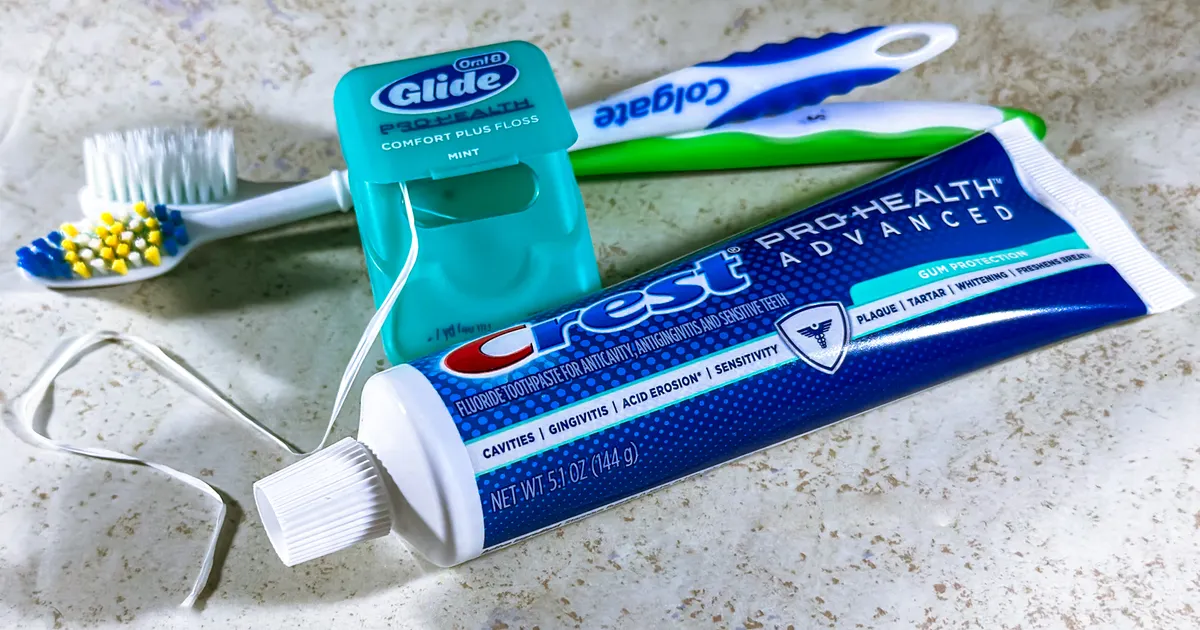
- Toothpaste for sensitivity: Pastes containing potassium nitrate or similar ingredients reduce the nerve signal — a few weeks of regular use are needed for the effect.
- A soft brush and a gentle technique: Brush with gentle circular movements rather than hard ones. Correct brushing reduces recession.
- Limit acidic foods: Cut down on fizzy drinks and sour foods; do not brush immediately afterwards.
- Fluoride toothpaste: Helps to strengthen the enamel.
- Manage clenching: If you clench your teeth at night, talk to your dentist about a night guard (occlusal splint).
When should you see a dentist?
- Sensitivity that does not go away after a few weeks, or that is getting worse
- Persistent, sharp pain in one particular tooth (it may be a sign of decay or a crack)
- Pain that lingers for a long time after the hot/cold has gone
- Gum recession, bleeding or swelling
The dentist identifies the cause of the sensitivity — enamel wear, tooth decay, gum recession or a crack — and suggests the appropriate treatment (fluoride application, a filling, gum treatment or a protective coating). Finding the cause is more important than home measures.
Points to keep in mind
- Sensitivity usually comes from exposed dentin — thinning enamel or gum recession.
- Toothpaste for sensitivity helps, but a few weeks are needed for the effect.
- Hard brushing does not reduce the problem; it can actually make it worse.
- Persistent or localised pain is a sign of an underlying problem — see your dentist.
Questions and Answers (FAQ)
Does tooth sensitivity go away on its own? Temporary sensitivity that develops after treatment (for example, whitening or a cleaning) usually goes away on its own within a few days. However, persistent sensitivity caused by enamel wear or gum recession does not go away unless something is done, and the underlying cause has to be treated.
How long does toothpaste for sensitivity take to work? These pastes reduce the nerve signal gradually, so the difference is not felt immediately but usually after 2–4 weeks of regular use. Consistent use twice a day is important. If there is no improvement after a few weeks, see your dentist.
Why does the tooth hurt not only from cold but also from sweet things? Exposed dentin is sensitive to hot, cold, sweet and acidic stimuli alike, because these stimuli reach the nerve through the dentin tubules. Sharp pain in response to sweet things can sometimes also be a sign of tooth decay, so it should be checked if it persists.
Does hard brushing clean the teeth better? No. Hard brushing wears away the enamel and makes the gum recede and expose the root — which increases sensitivity. Gentle, circular movements with a soft brush clean plaque just as well and protect the tooth.
Clinical note: This article is for general information and does not replace individual advice from your dentist. For persistent tooth sensitivity, book an appointment.
Sources: Peer-reviewed dental literature on restorative dentistry, cariology and the management of tooth sensitivity. The clinical content is based on Dr. Nuran's dental practice.
Sources
- Dentin hypersensitivity: pain mechanisms and aetiology of exposed cervical dentin — Clinical Oral Investigations, 2013
- Comparative efficacy of self-administered dentifrices for the management of dentine hypersensitivity — a systematic review and network meta-analysis — Journal of Dentistry, 2023
- Not all Desensitizing Toothpastes Perform Equally Well — Journal of Evidence-Based Dental Practice, 2020
This article is for general information only and does not replace an individual diagnosis, examination or treatment. Consult a doctor for a decision about your case.