

Bleeding Gums (Gingivitis): Causes and Treatment
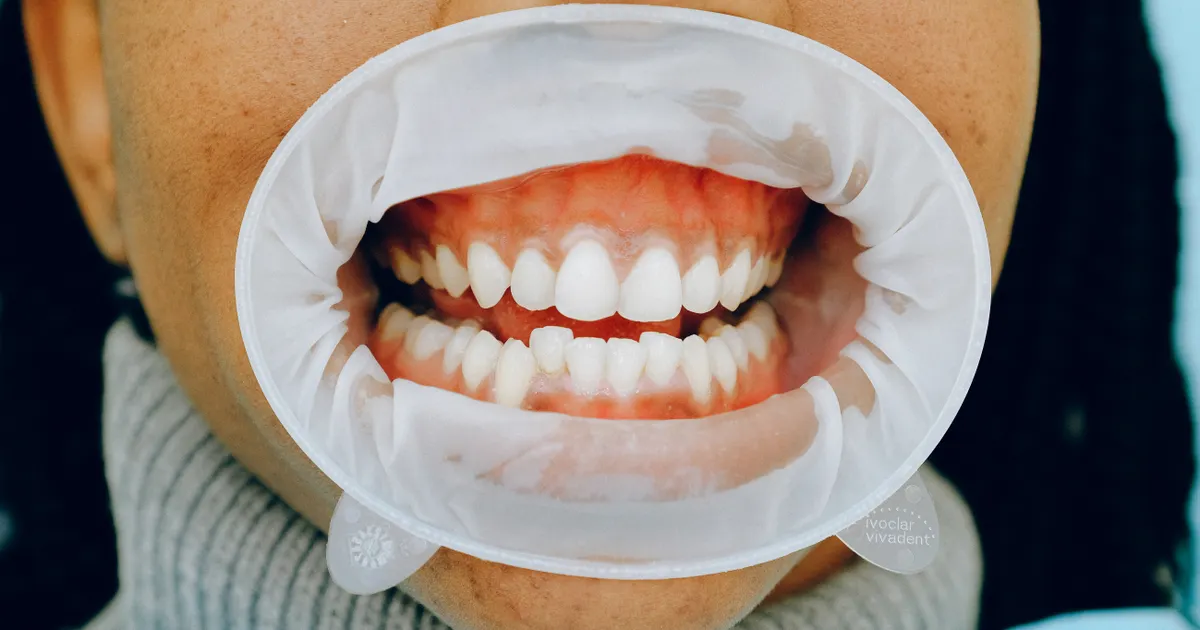
Gums that bleed when you brush or floss are most often a sign of gingivitis — the early, reversible stage of gum inflammation. The cause is almost always the bacterial film (plaque) that builds up along the gum line: inflamed gums become swollen and red, and they bleed even at the lightest touch. The good news is that with proper home care and a professional cleaning, gingivitis usually resolves within a few weeks. Left untreated, however, it can progress to periodontitis, which reaches the bone supporting the tooth and is no longer fully reversible. If your gums bleed, the answer is not to stop brushing, but to carry on correctly and gently.
What does the research say? According to the 2018 World Workshop classification, plaque-induced gingivitis is distinguished from healthy gums by bleeding on probing, and it is fully reversible as long as there is no loss of supporting tissue. A 2019 Cochrane review shows that cleaning between the teeth (floss or interdental brushes) in addition to brushing reduces gingivitis; there is evidence that interdental brushes may be more effective than floss, although the certainty of the evidence is low. The 2020 S3 clinical guideline of the European Federation of Periodontology (EFP) places supragingival plaque control and the management of risk factors such as smoking and diabetes as the first step of treatment. The NHS likewise regards bleeding gums as the earliest sign of gum disease and recommends having them checked by a dentist.
Related: gum treatment · periodontitis: stages and treatment · tartar vs plaque
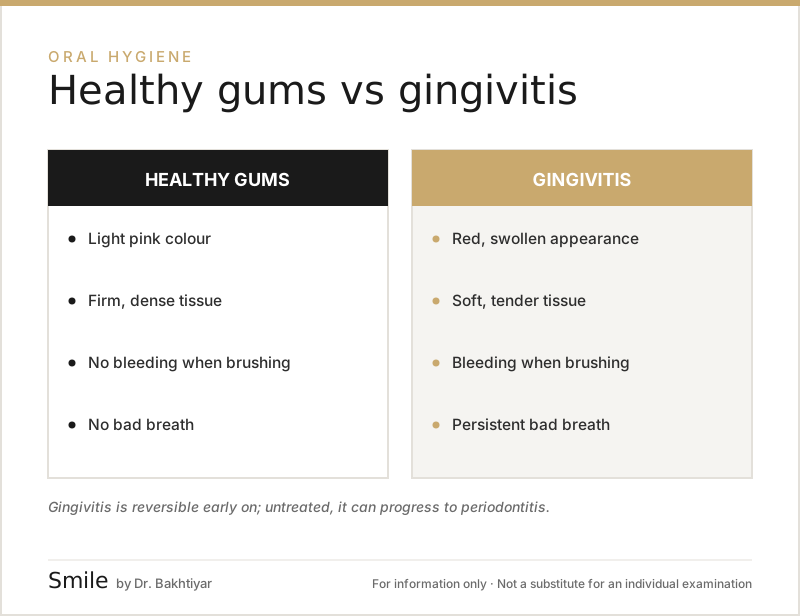
A comparison of healthy gums and the signs of gingivitis.
Why do gums bleed?
The most common cause is plaque build-up. Bacteria left along the gum line and between the teeth trigger an inflammatory reaction; the blood vessels in the inflamed tissue widen and bleed at the slightest touch. Plaque only has to go undisturbed for 24–48 hours for inflammation to begin — which explains why gingivitis is so widespread.
Factors that increase susceptibility to plaque:
- Incomplete or incorrect cleaning — especially never cleaning between the teeth;
- Hormonal changes — pregnancy, adolescence (pregnancy and dental health);
- Smoking — which can also mask inflammation: smokers' gums bleed less, but the disease progresses faster;
- Diabetes and other systemic conditions;
- Certain medicines — those that cause gum overgrowth or a dry mouth;
- Tartar and poorly fitting margins on fillings and crowns — places where plaque collects and the brush cannot reach.
Note: persistent bleeding or bleeding that starts on its own is not always related to oral hygiene alone; in rare cases blood disorders or the effects of medication can also be the cause. A dental examination will establish the reason.
Signs of gingivitis
- Bleeding when brushing, flossing or eating hard foods;
- A red, swollen, shiny-looking gum margin;
- Tenderness to touch;
- Morning breath or a bad taste in the mouth;
- A whitish film or tartar along the line between the gum and the tooth.
At this stage there is usually no pain — which is exactly why gingivitis often goes unnoticed for years. Treating bleeding as normal is the most common mistake: healthy gums do not bleed when you brush.
How is gingivitis treated?
The aim of treatment is simple — to remove plaque and prevent it from building up again. A typical plan:
- Professional cleaning — tartar and plaque are removed with ultrasonic and hand instruments, and the surfaces are polished (professional cleaning). Tartar cannot be removed at home with a toothbrush.
- Correcting home care — your dentist or hygienist will show you the technique, brush type and interdental aid that suit your mouth: brushing twice a day, floss or an interdental brush once a day (step-by-step guide).
- Reducing risk factors — stopping smoking, controlling diabetes, and reshaping old filling or crown margins that collect plaque.
- Follow-up visits — the gums are reassessed after 4–8 weeks.
With the right care, bleeding usually decreases within 1–3 weeks; the colour and shape of the tissue return to normal. Antiseptic mouthwashes (for example, a short course of chlorhexidine) can help, but they do not replace mechanical cleaning and are used only when prescribed by a dentist.
What happens if it is left untreated?
Gingivitis does not progress to periodontitis in everyone, but periodontitis almost always begins with gingivitis. In periodontitis the inflammation destroys the fibres and bone that hold the tooth in place: the gums recede, gaps open up between the teeth, the teeth become loose and may eventually be lost. Unlike gingivitis, lost bone does not regenerate on its own. That is why the it only bleeds a little stage is the cheapest and most effective time to intervene. More about the stages: periodontitis.
Prevention
- Brushing twice a day with a soft-bristled brush and fluoride toothpaste, at a 45° angle to the gum line;
- Cleaning between the teeth once a day — an interdental brush if the space is wide, floss if it is narrow;
- A check-up every 6–12 months (at the interval your dentist recommends) and a professional cleaning if needed;
- Avoiding smoking;
- If you have diabetes — keeping your blood sugar under control.
Frequently asked questions (FAQ)
Are bleeding gums dangerous? Most often they are a sign of early gingivitis and clear up completely with proper care. However, persistent bleeding can be the beginning of periodontitis; if it lasts more than two weeks, you need a dental examination.
Should I stop brushing if my gums bleed? No. The cause of the bleeding is plaque — stopping brushing increases the inflammation. Carry on with a soft brush and correct technique, without scrubbing hard; the bleeding usually decreases within 1–2 weeks.
Can gingivitis go away on its own? Only if the plaque is completely removed. If tartar has built up, nothing you use at home will remove it — a professional cleaning is needed.
Does mouthwash treat gingivitis? An antiseptic mouthwash is a supporting measure, not a treatment on its own. The main treatment is the mechanical removal of plaque; products such as chlorhexidine are used only on a dentist's prescription and for a short period.
Why do gums bleed more during pregnancy? Hormonal changes make the gums react more strongly to plaque (pregnancy gingivitis). During this period, careful hygiene and dental check-ups are especially important; treatment is safe during pregnancy.
Sources
- Plaque-induced gingivitis: Case definition and diagnostic considerations — Journal of Periodontology, 2018 (World Workshop on the Classification of Periodontal Diseases)
- Home use of interdental cleaning devices, in addition to toothbrushing, for preventing and controlling periodontal diseases and dental caries — Cochrane Database of Systematic Reviews, 2019
- Treatment of stage I–III periodontitis — The EFP S3 level clinical practice guideline — Journal of Clinical Periodontology, 2020
- Gum disease — NHS (UK National Health Service)
This article is for general information only and does not replace an individual diagnosis, examination or treatment. Consult a doctor for a decision about your case.