

Brushing and Flossing Correctly: A Step-by-Step Guide
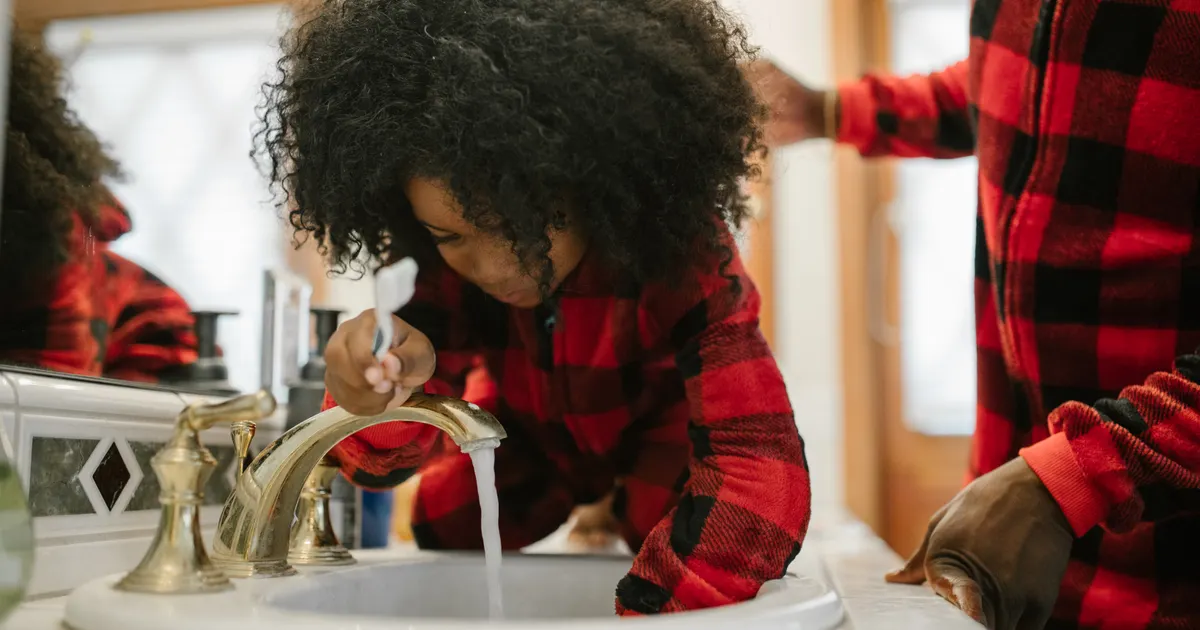
To clean your teeth properly, brush twice a day — one of those times always before bed — for about two minutes, with a soft-bristled brush and a fluoride toothpaste, then spit the toothpaste out without rinsing with water, and clean between your teeth once a day with floss or an interdental brush. A brush cleans the visible surfaces of the teeth, but it does not reach the spaces between them — and that is exactly where tooth decay and gum inflammation most often begin. Technique matters more than force: hard scrubbing does not remove plaque any better, it makes the gums recede and wears down the enamel.
What does the research say? The American Dental Association (ADA) recommends brushing twice a day for two minutes with a soft-bristled brush, and changing the brush every 3–4 months or when the bristles splay. A 2014 Cochrane review shows that electric brushes (especially those with oscillating-rotating heads) reduce plaque and gingivitis somewhat more than manual brushes — but a manual brush used correctly is also effective. A 2019 Cochrane review shows that, in addition to brushing, dental floss and especially interdental brushes reduce gingivitis (low-to-moderate certainty of evidence). The NHS emphasises the “spit, don’t rinse” rule: rinsing with water straight after brushing washes the fluoride away and reduces its protective effect.
Related: professional cleaning · electric toothbrush vs manual brush · bleeding gums (gingivitis)
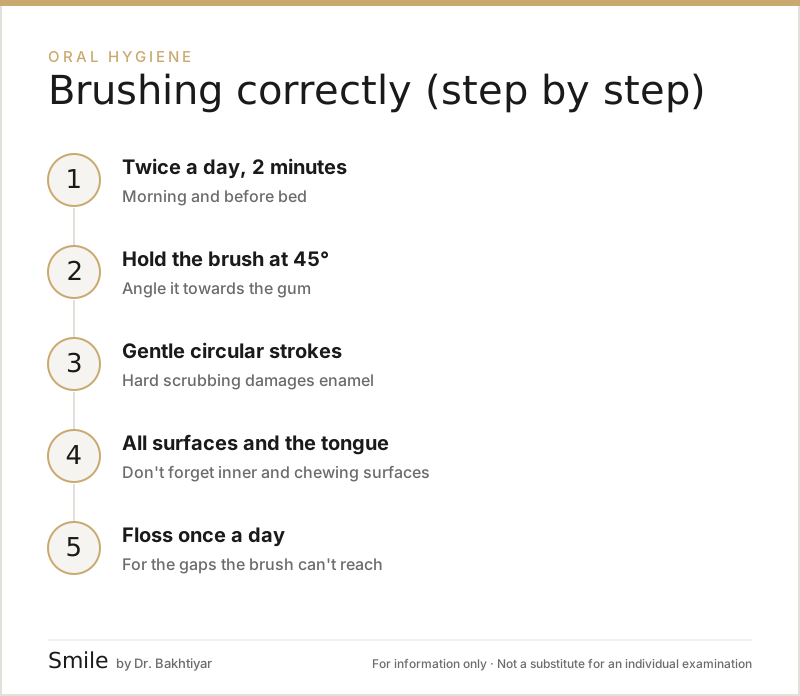
Correct brushing and flossing — step by step.
Why is brushing alone not enough?
Every tooth has five surfaces; the brush reaches three of them — the outer, the inner and the chewing surface. The two side surfaces where the teeth touch each other, however, are closed off to the brush. That is precisely where plaque builds up, along with under the gum line: this is where interdental decay and gingivitis start. That is why the formula never changes: brush + interdental aid, every day.
Step by step: brushing correctly
- Choose a soft-bristled brush; the head should fit comfortably in your mouth (a smaller head reaches the back teeth better).
- A pea-sized amount of fluoride toothpaste (1350–1500 ppm fluoride for adults) — more toothpaste just creates foam, it does not improve cleaning.
- Hold the brush at a 45° angle towards the gum so that the bristles go slightly under the gum line.
- Clean 2–3 teeth at a time with small, vibrating or circular movements — not long “sawing” strokes.
- Work in order: upper outer → upper inner → upper chewing surfaces → then the lower teeth in the same way. For the inner surfaces of the front teeth, hold the brush vertically.
- Gently clean the surface of your tongue with the back of the brush or a tongue cleaner (tongue cleaning).
- 2 minutes in total — a timer on your phone or the 30-second signal of an electric brush helps.
- Spit the toothpaste out, do not rinse with water — so that the fluoride can act on your teeth. After brushing before bed, do not eat or drink anything.
Electric or manual brush? An electric brush makes the technique easier and removes plaque somewhat better; a manual brush also gives good results when used correctly. Comparison: electric toothbrush vs manual brush.
Using dental floss correctly
- Take about 40–45 cm of floss, wind both ends around your middle fingers and leave 3–5 cm of working length in between.
- Hold the floss taut with your thumbs and index fingers and slide it between two teeth with a gentle rocking movement — do not snap it down into the gum.
- Wrap the floss around the side surface of the tooth in a “C” shape and slide it up and down to just below the gum line; then clean the surface of the neighbouring tooth in the same space.
- Move to a clean section of floss for each space. Do not forget the back surface of the very last teeth.
If the spaces between the teeth are wider (gum recession, braces, an implant, a bridge), interdental brushes are more effective than floss — the dentist or hygienist chooses the size. A water flosser (irrigator) is an additional aid; it does not fully replace floss. Using floss before brushing helps the fluoride reach the surfaces between the teeth.
Common mistakes
- Hard brushing and a hard brush — causes gum recession and enamel wear; it does not improve cleaning.
- Not cleaning between the teeth — that is exactly where decay and gingivitis most often start.
- Rinsing with water after brushing — it washes the fluoride away.
- Brushing straight after acidic food and drinks (citrus, fizzy drinks) — this wears down softened enamel; wait 30–60 minutes or rinse with water first (enamel erosion).
- Changing the brush too late — every 3–4 months or when the bristles splay; also change it after an illness.
- Brushing for too short a time — the average person brushes for 45 seconds; 2 minutes is longer than it seems.
Differences in children
In children, the fluoride content and the amount of toothpaste change with age (a rice-grain-sized amount up to age 3, a pea-sized amount from 3–6 years); up to the age of 7–8 a parent should finish the brushing. More: fluoride and dental health.
Frequently asked questions (FAQ)
How many times a day should I brush my teeth? Twice, for about two minutes each time — one of them always before bed. Cleaning between the teeth once a day is enough.
Does a hard brush clean better? No. Hard bristles do not remove plaque any better; they make the gums recede and wear down the enamel. A soft brush with the right technique is both safe and effective.
If flossing makes my gums bleed, should I stop? No. In the first 1–2 weeks, bleeding is a sign of inflamed gums and it decreases with regular cleaning. If the bleeding lasts longer than two weeks, see a dentist.
Does mouthwash replace brushing? No. Mouthwash does not remove plaque mechanically; it can be an additional aid, but it does not replace the brush and floss. Do not use it straight after brushing — it washes the fluoride away.
Should I floss before or after brushing? Either is better than not brushing properly, but using floss first helps the fluoride reach the surfaces between the teeth.
Sources
- Toothbrushes — Oral Health Topics — American Dental Association (ADA)
- Powered versus manual toothbrushing for oral health — Cochrane Database of Systematic Reviews, 2014
- Home use of interdental cleaning devices, in addition to toothbrushing, for preventing and controlling periodontal diseases and dental caries — Cochrane Database of Systematic Reviews, 2019
- How to keep your teeth clean — NHS (UK National Health Service)
This article is for general information only and does not replace an individual diagnosis, examination or treatment. Consult a doctor for a decision about your case.