

Electric Toothbrush vs Manual Brush: Which Is Better?
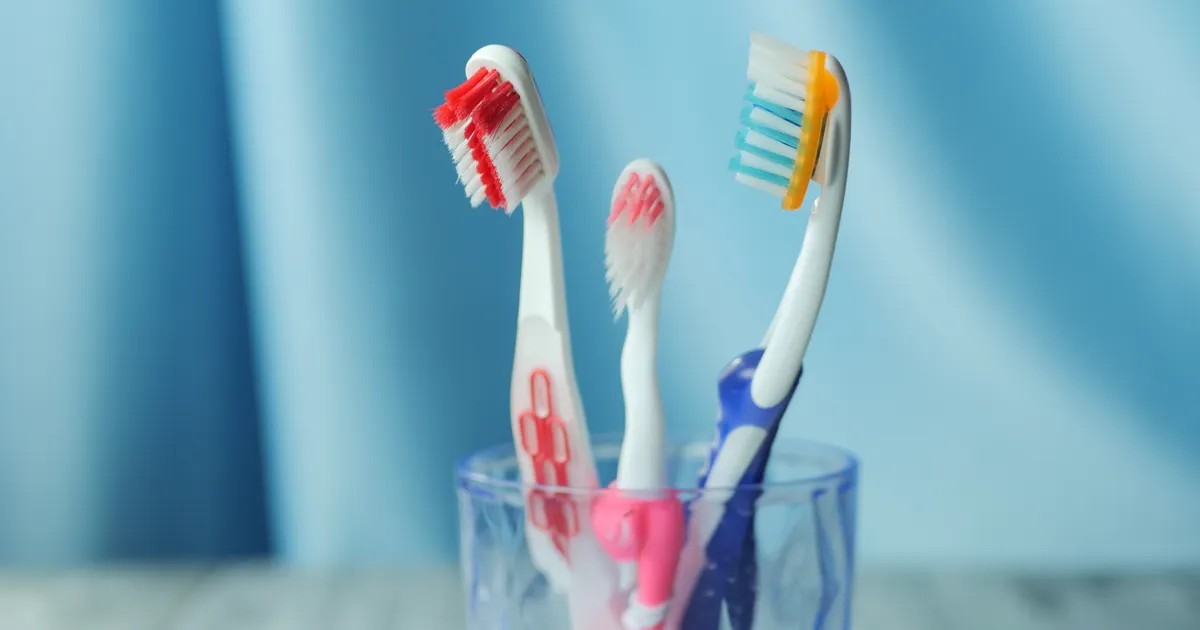
An electric toothbrush can help remove plaque slightly more effectively, especially in people who struggle with brushing technique or who have limited hand movement. However, a manual brush used with the correct technique is also perfectly sufficient for maintaining oral health. The most important factor is not the type of brush — it is brushing twice a day, with the right method, and regularly.
What does the research show? According to the 2014 Cochrane review (56 studies, ~5,000 participants), electric brushes reduce plaque by around 11% and gum inflammation by 6% more than manual brushes at 1–3 months, and by 21% and 11% respectively after 3 months; the strongest evidence is for the oscillating-rotating type. The difference is statistically significant, but clinically moderate — a manual brush used with the correct technique for 2 minutes twice a day is also effective. The ADA accepts both types: the choice is made according to habit, limited hand movement, orthodontic appliances and budget; the claim that 'electric is always better' is not supported by the evidence. Related: Professional cleaning · The difference between tartar and plaque · Tongue cleaning.
What is the main difference?
With a manual brush, cleaning depends entirely on your own hand movement. With an electric brush, the brush head vibrates or rotates automatically, which means more movements per second. In some people — for example, those who brush slowly or incorrectly — this difference can help remove plaque better. However, in someone who already has good technique, the result is similar with both.
Advantages of an electric brush
- Less dependent on technique: because the brushing movement is automated, it is easier to get the method right.
- Timer: most models have a 2-minute timer, which helps you keep to the recommended brushing time.
- For people with limited hand movement: helpful for those who find hand movement difficult due to arthritis, physical limitations or age.
- Motivation for some people: it can make brushing more appealing for children and teenagers.
Advantages of a manual brush
- Availability and price: inexpensive, available everywhere, and needs no batteries or charging.
- Effective when used correctly: for someone who knows the technique, it is enough to keep the mouth healthy.
- Convenient for travel: you can take it anywhere without worrying about charging.
Which one should you choose?
The choice largely depends on personal habits. An electric brush may be useful in the following situations:
- If you find it difficult to master the correct brushing technique.
- If your hand movement is limited.
- If you find it difficult to keep track of your brushing time.
- If your dentist has recommended one because of bleeding gums or plaque build-up.
If you are happy with a manual brush and your oral health is good, there is no need to switch. In either case, choose a soft-bristled brush and replace it every 3 months, or when the bristles become bent.
Technique matters more than the type of brush
Whether the brush is electric or manual, the following do not change:
- Brush twice a day, for 2 minutes each time.
- Use a soft-bristled brush and a fluoride toothpaste.
- Clean the gum line with gentle, circular movements; avoid hard scrubbing.
- Use dental floss for the areas between the teeth that the brush cannot reach.
- Do not forget regular professional cleaning and check-ups.
An electric brush does not replace floss — cleaning between the teeth is still needed separately in both cases.
Questions and Answers (FAQ)
Does an electric toothbrush really clean better than a manual brush? Some studies show that electric brushes, especially the oscillating-rotating type, may reduce plaque and gum inflammation slightly more. However, the difference is not absolute — a manual brush used correctly is also effective.
Is an electric brush harmful to the gums? It is not harmful when used correctly with a soft-bristled head and light pressure. On the contrary, hard scrubbing (with any type of brush) can cause gum recession; many electric models warn you when the pressure is too high.
Can children use an electric brush? Yes, there are models designed for the appropriate age, and they make brushing easier for some children. They should be used under parental supervision.
Should I switch from a manual brush to an electric one? It is not essential. If your oral health is good and you brush correctly, a manual brush is enough. If you have difficulties with technique or hand movement, discuss it with your dentist.
Clinical note: This article is for general information only and does not replace individual advice from your dentist. For a recommendation on the brush and technique that suit you, book an appointment or contact your dentist.
Sources: Peer-reviewed dental literature on oral hygiene and plaque control. The clinical content is based on Dr. Minaya's experience.
Sources
- Powered versus manual toothbrushing for oral health — Cochrane Database of Systematic Reviews, 2014
- Manual versus powered toothbrushing for oral health — Cochrane Database of Systematic Reviews, 2005
- Toothbrushes — ADA Oral Health Topics — American Dental Association
This article is for general information only and does not replace an individual diagnosis, examination or treatment. Consult a doctor for a decision about your case.