

Fluoride and Dental Health: Benefits and Safety
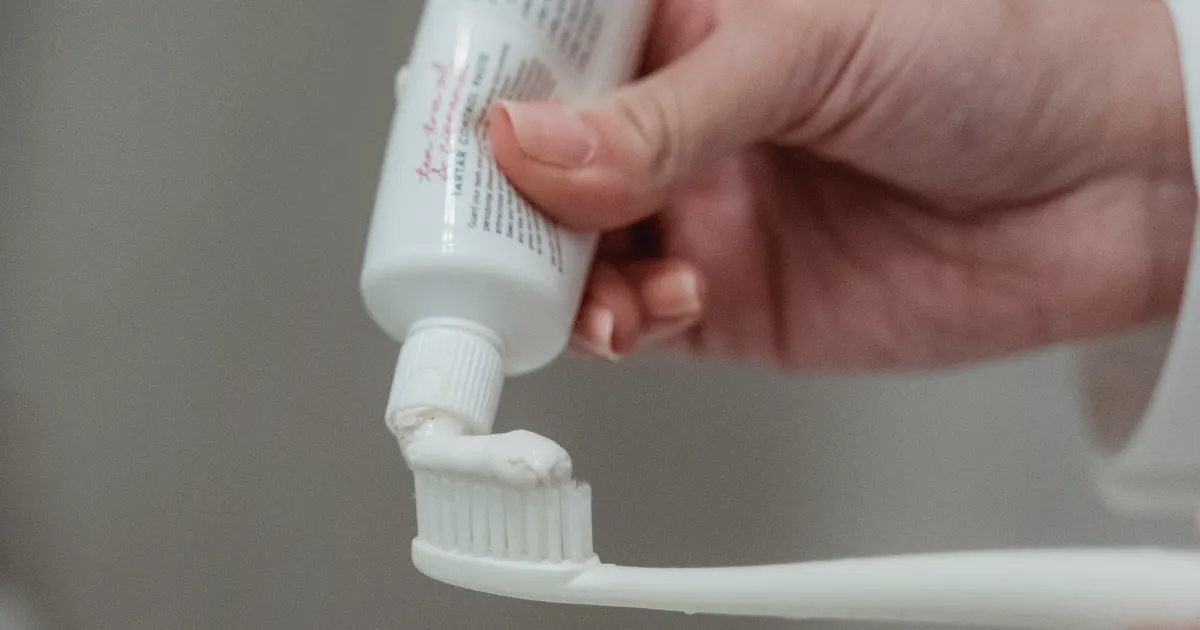
Fluoride is a mineral that increases the acid resistance of enamel and helps repair early decay (remineralisation); it is the best-evidenced tool we have for preventing tooth decay. According to Cochrane reviews, toothpaste containing 1000 ppm of fluoride or more significantly reduces decay in children and adolescents compared with fluoride-free toothpaste, while professionally applied fluoride varnish gives extra protection to children at risk. Fluoride is safe when used in the recommended amounts; the main precaution is young children swallowing toothpaste — during tooth development, excess fluoride can cause white marks on the enamel (fluorosis), which is a cosmetic matter. The amount and routine for your child are chosen according to age and decay risk.
How does fluoride work?
Every day, the bacteria in the mouth break down sugars and starches to produce acid; this acid causes a loss of minerals from the enamel (demineralisation). Fluoride helps in two ways: it becomes part of the enamel, making it more resistant to acid, and it speeds up the return of minerals to the enamel (remineralisation). In this way, decay at an early stage can be stopped or even reversed before it turns into a cavity. This is why fluoride plays an important role in preventing tooth decay; the sugar–plaque–time mechanism of decay is described in detail in the 2017 review by Pitts and co-authors.
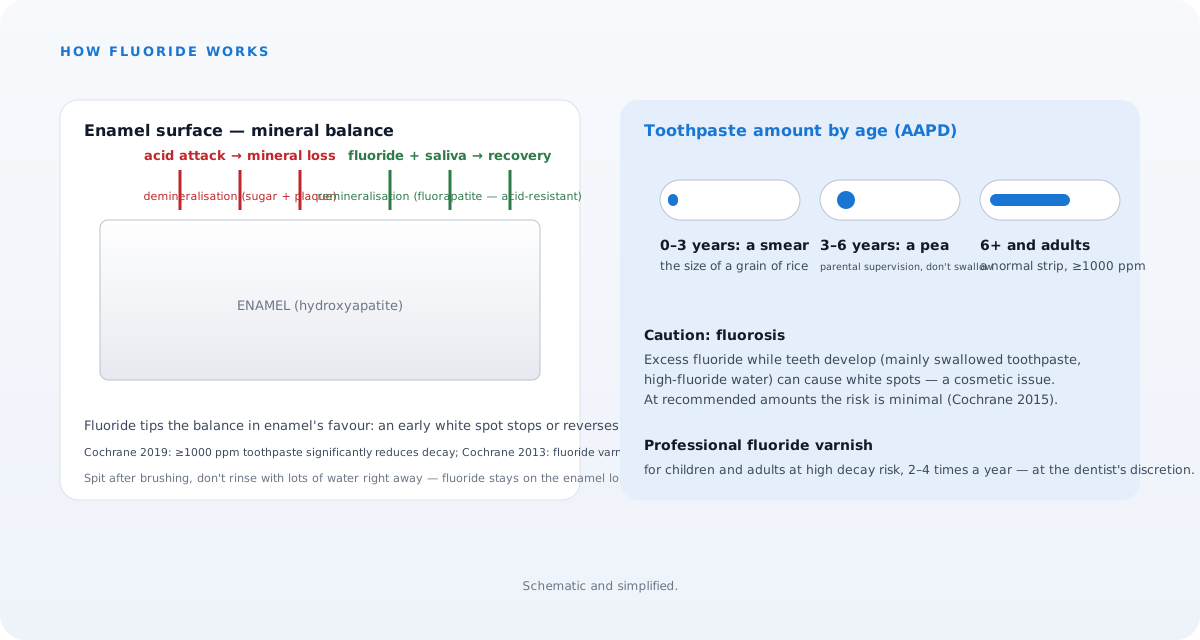 Fluoride shifts the demineralisation–remineralisation balance in favour of the enamel. The diagram is schematic.
The main benefits of fluoride
- Protection against decay — it strengthens the enamel and increases its resistance to acid attack.
- Repair of early decay — it can stop small areas of damage in the enamel through remineralisation.
- Reduced sensitivity — some fluoride products can help ease tooth sensitivity.
- Suitable for every age — at the right dose it is beneficial for both children and adults.
Where do we get fluoride from?
Fluoride comes from various sources:
- Toothpaste — the most widespread everyday source of fluoride; according to the Cochrane 2019 review, the protective effect starts at 1000 ppm and becomes stronger as the concentration increases.
- Mouthwashes (rinses) — some products contain additional fluoride.
- Professional application — at the dentist in the form of a fluoride gel, foam or varnish, especially for patients at high risk of decay.
- Drinking water — in some regions the water contains natural or added fluoride; the Cochrane 2015 review shows that adding fluoride to water reduces decay in children while at the same time increasing the frequency of fluorosis (levels vary by region).
Safe use — how much is enough?
Fluoride is safe in the recommended amounts. Practical advice:
- Adults — brushing twice a day with fluoride toothpaste and cleaning between the teeth (plaque and tartar); fluoride is particularly helpful for those with enamel erosion (tooth enamel erosion).
- After brushing, spit out the toothpaste; there is no need to rinse your mouth straight away with plenty of water — this prolongs the effect of the fluoride.
- For professional fluoride application, discuss your risk with your dentist; not everyone needs it to the same degree.
Fluoride in children: what to watch for
As young children tend to swallow toothpaste, the amount matters:
- Up to age 3: a smear (the size of a grain of rice) — the AAPD recommendation.
- Ages 3–6: a pea-sized amount.
- Adult supervision is recommended while the child brushes, so that the toothpaste is not swallowed.
Excessive fluoride over a long period (mainly while the teeth are developing) can cause light marks on the enamel known as dental fluorosis — this is usually a cosmetic matter. At the correct dose this risk is minimal. Discuss the right routine for your child with a paediatric dentist; on decay in baby teeth, see: tooth decay in baby teeth.
Points to keep in mind
- Fluoride is a natural mineral that strengthens the enamel and helps repair early decay.
- In the recommended amounts, fluoride is safe and useful for prevention.
- With young children, attention should be paid to the amount of toothpaste and to making sure it is not swallowed.
- For those at high risk of decay, professional fluoride application can be helpful — discuss this with your dentist.
Questions and Answers (FAQ)
Is fluoride harmful to the teeth? In the recommended amounts, fluoride is safe and protects against decay. The risk relates only to excessive intake over a long period, which is mainly linked to young children swallowing toothpaste. With the correct dose and adult supervision, this risk is minimal.
Is fluoride toothpaste enough, or is an additional product needed? For most people, brushing twice a day with fluoride toothpaste is enough. For those at high risk of decay, the dentist may recommend an additional mouthwash or professional fluoride application. Work out the most suitable routine with your dentist.
Can I give my child fluoride toothpaste? Yes, but pay attention to the amount: a grain of rice up to age 3, and a pea-sized amount between ages 3 and 6. Adult supervision is important while the child brushes, so that the toothpaste is not swallowed. If in doubt, consult your dentist.
Should I rinse my mouth after brushing? Spitting out the excess toothpaste is enough; not rinsing your mouth straight away with plenty of water prolongs the time the fluoride acts on the enamel. It is a simple but useful habit.
Clinical note: This article is for general information and does not replace individual advice from your dentist. For a fluoride routine suited to you or your child, book an appointment.
Sources
- Fluoride toothpastes of different concentrations for preventing dental caries — Cochrane Database of Systematic Reviews, 2019
- Fluoride varnishes for preventing dental caries in children and adolescents — Cochrane Database of Systematic Reviews, 2013
- Water fluoridation for the prevention of dental caries — Cochrane Database of Systematic Reviews, 2015
- Fluoride Therapy — Best Practices — American Academy of Pediatric Dentistry
- Dental caries — Nature Reviews Disease Primers, 2017
This article is for general information only and does not replace an individual diagnosis, examination or treatment. Consult a doctor for a decision about your case.