

Tooth Decay in Baby Teeth: Why It Matters and How to Prevent It
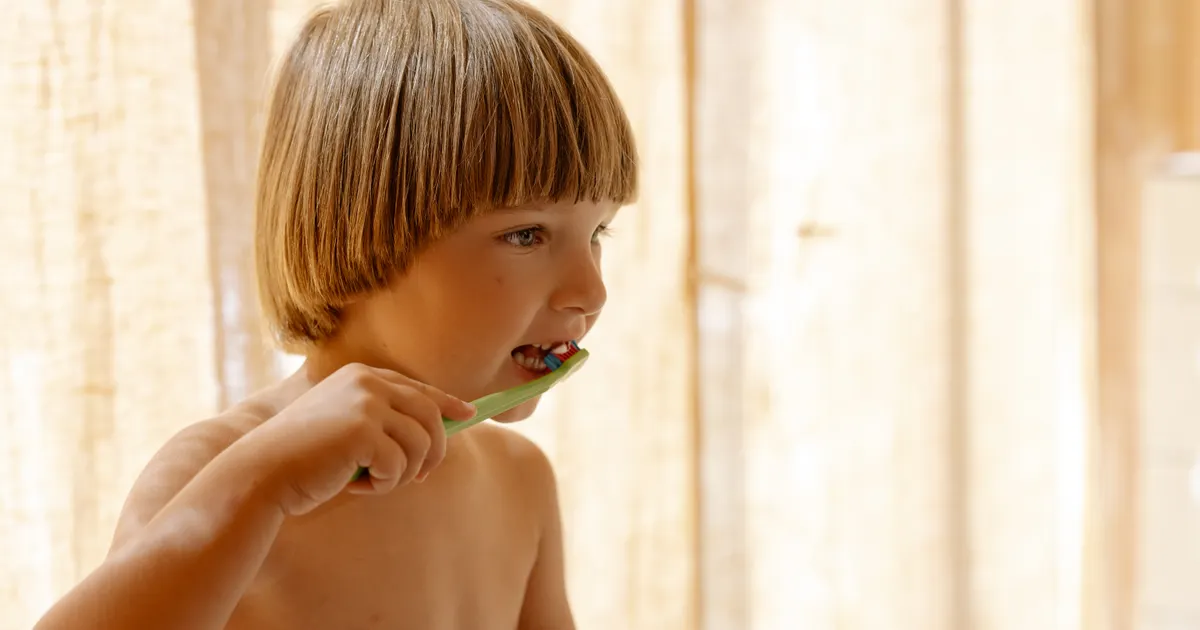
Tooth decay in baby teeth is a disease that needs treatment, not a problem you can dismiss with "they will fall out anyway": these teeth hold space for the permanent teeth, they are needed for chewing and speech, and untreated decay can lead to pain, an abscess and damage to the permanent tooth developing underneath. Decay is the combined result of sugar, plaque and time (Pitts et al., 2017); in baby teeth it progresses faster because the enamel is thin. Evidence-based ways to prevent it: brushing with fluoride toothpaste from the very first tooth (an age-appropriate amount), limiting sugary foods and the night-time bottle, professional fluoride varnish for children at risk, and an early check-up. Individual risk is assessed by a paediatric dentist.
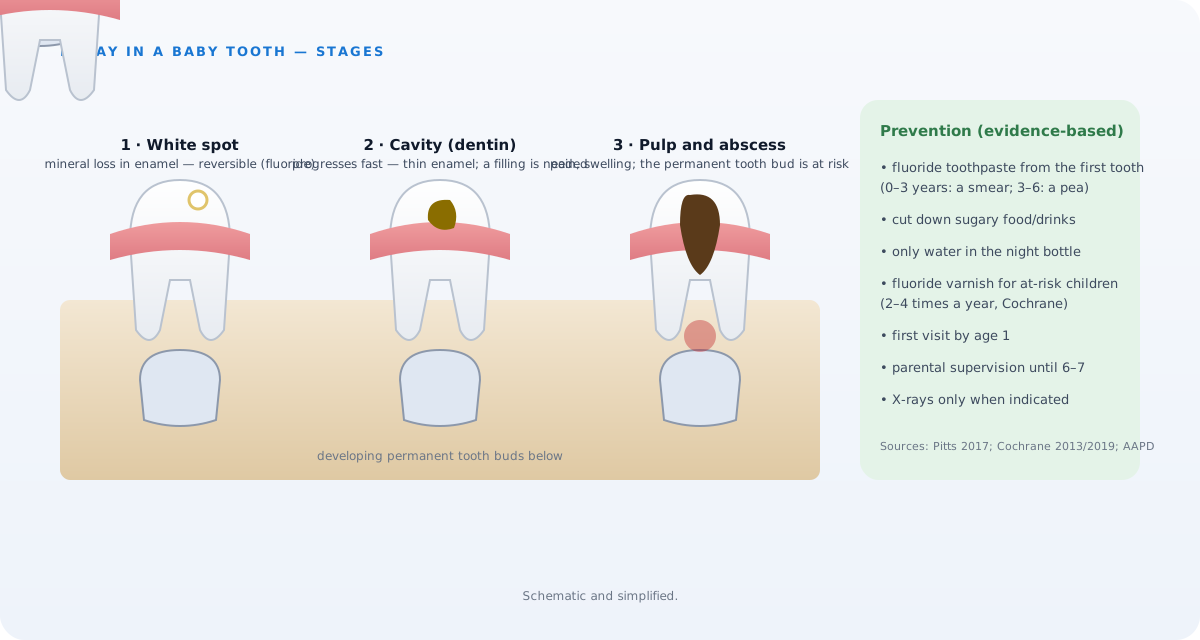 Decay in a baby tooth, stage by stage; the permanent tooth bud underneath can be affected by infection. The diagram is schematic.
Why is the "they will fall out anyway" idea wrong?
It is often assumed that because baby teeth will fall out anyway, decay in them does not matter. In reality, these teeth start to come through before the age of 6 and some of them stay in the mouth until the age of 12. During this time they:
- Hold space — they preserve the gap so that the permanent teeth come through in the right position.
- Help with chewing — this is essential for proper nutrition and digestion.
- Support speech — they influence how sounds are formed correctly.
- Protect against infection — severe decay can cause pain, an abscess and even damage to the developing permanent tooth.
- Shape jaw development — baby teeth play a part in the proper development of the jaw and the formation of the bite.
Why does decay develop faster in baby teeth?
The enamel of baby teeth is thinner than that of permanent teeth. This means that acid and bacteria pass through the enamel more quickly and decay reaches the pulp (the inner part of the tooth) faster. That is why a small spot can turn into a painful cavity within a short time.
Main causes
The main causes of decay in children:
- Sweet foods and drinks — sweets, fruit juices and fizzy drinks feed the bacteria.
- Night-time feeding — falling asleep with a sweet drink, a bottle of milk or even breast milk (it contains lactose; if the teeth are not cleaned at night, the risk of decay rises) is the main cause of "bottle caries".
- Skipping morning and evening brushing — plaque builds up.
- Lack of fluoride — according to Cochrane reviews, fluoride toothpaste (1000 ppm and above) and professional fluoride varnish significantly reduce decay in children; fluoride-free toothpaste does not provide this protection (fluoride and dental health).
- Frequent snacking — acidity in the mouth stays high continuously.
Ways to prevent it
To reduce decay in baby teeth:
- Start brushing from the first tooth: as soon as the first tooth comes through, brush twice a day with a soft brush and fluoride toothpaste; according to AAPD guidance, a smear the size of a grain of rice up to the age of 3, and a pea-sized amount between the ages of 3 and 6.
- Help with brushing: until the age of 6–7 a child cannot brush well on their own — parental supervision is essential; about plaque and tartar: the difference between plaque and tartar.
- Professional fluoride varnish: in children at high risk of decay, fluoride varnish applied 2–4 times a year reduces decay in baby teeth by about one third on average, according to a Cochrane review.
- Replace the night-time bottle with water: gradually stop the habit of falling asleep with a bottle of milk or juice.
- Limit sugar: give sweet foods together with a main meal rather than between meals, so that contact with acid is reduced.
- Regular check-ups: the AAPD recommends the first visit after the first tooth comes through, by the age of 1; how often after that depends on risk. If hidden decay is suspected, an X-ray is taken only when indicated (dental X-rays in children).
When should you see a dentist?
- White, brown or black spots on a tooth
- The child complaining of pain with hot/cold or sweet things
- Swelling or pain in the gums
- Refusing to chew, or chewing on one side only
With early intervention, small decay is treated with a simple filling; delay, on the other hand, can lead to root canal treatment or loss of the tooth.
Points to keep in mind
- Baby teeth hold space for the permanent teeth — decay is not a "temporary" problem.
- Because the enamel is thin, decay develops faster in children.
- The night-time bottle and frequent sweet foods are the main risk factors.
- The first dental visit is recommended by the age of 1.
Questions and Answers (FAQ)
Should decay in baby teeth be treated, or can you wait for the tooth to fall out? It should be treated. Baby teeth hold space until the permanent teeth come through and are important for chewing and speech. Untreated decay can cause pain, infection and even damage to the developing permanent tooth. Waiting for the tooth to fall out often makes the situation worse.
When should I start brushing my child's teeth? As soon as the first tooth comes through (usually at around 6 months). Clean them twice a day with a soft children's brush and a very small, age-appropriate amount of fluoride toothpaste. Until the age of 6–7, a parent should help with brushing or supervise it.
What is "bottle caries" and how can it be prevented? Bottle caries is decay that develops on the front teeth as a result of a child falling asleep with a bottle of milk or a juice drink. The drink stays in contact with the teeth for a long time and its sugar feeds the bacteria. To prevent it, give only water in the night-time bottle and clean the teeth before bed.
Is fluoride safe for children? In the right amount it is safe and it strengthens the enamel. What matters is an age-appropriate amount: a grain of rice up to the age of 3, and a pea-sized amount of fluoride toothpaste between the ages of 3 and 6. Brushing should be supervised by a parent so that the child does not swallow too much toothpaste.
Clinical note: This article is for general information only and does not replace individual advice from your dentist. Book an appointment about your child's dental health.
Sources
- Dental caries — Nature Reviews Disease Primers, 2017
- Fluoride varnishes for preventing dental caries in children and adolescents — Cochrane Database of Systematic Reviews, 2013
- Fluoride toothpastes of different concentrations for preventing dental caries — Cochrane Database of Systematic Reviews, 2019
- Fluoride Therapy — Best Practices — American Academy of Pediatric Dentistry
This article is for general information only and does not replace an individual diagnosis, examination or treatment. Consult a doctor for a decision about your case.