

Monolithic or layered zirconia: which is chosen when?
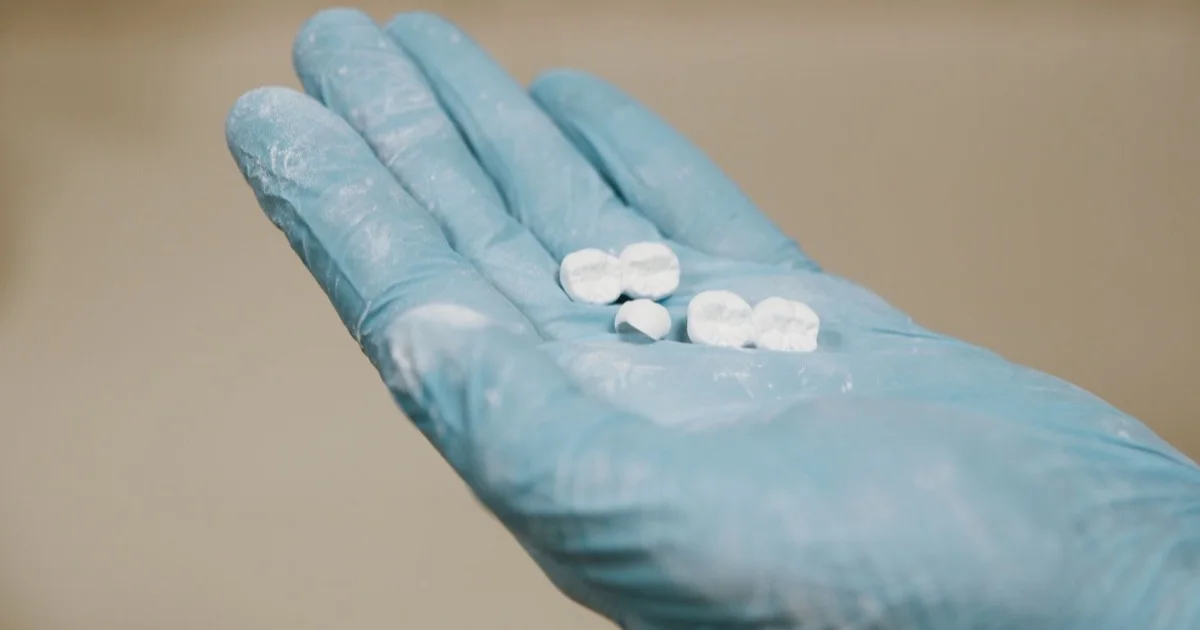
A monolithic zirconia crown is milled from a single solid piece of zirconia; in a layered zirconia crown, a layer of aesthetic ceramic is applied by hand over a zirconia framework. The layered version reproduces light and colour transitions more naturally, but chipping of the outer ceramic layer is its main problem. In the monolithic version the risk of chipping is very low and less tooth reduction is required, although customising the appearance is more limited. For back teeth and in bruxism a monolithic crown is usually chosen, while for a front tooth with high aesthetic demands a layered or partially layered version is considered.
Key points
- The difference lies not in the material but in the construction: both are zirconia; the question is whether there is an additional ceramic layer on top.
- According to meta-analysis, over 5 years of follow-up minor chipping occurs tens of times more often in layered zirconia than in monolithic zirconia.
- Because monolithic zirconia can be made thinner, less tooth structure has to be removed.
- Modern translucent zirconias have improved the aesthetics of the monolithic version, but have reduced its strength.
- The choice is based on the position of the tooth, the aesthetic demand, clenching and the available space; there is no such thing as one option always being better.
What is the difference between the two constructions?
Zirconia (zirconium dioxide) is a white, very strong oxide ceramic. Historically its weak point has been aesthetics: classic zirconia does not transmit light and looks snow-white and opaque. There are two ways of solving this problem.
Layered (bilayer, veneered) zirconia. A thin, strong framework (coping) is made from zirconia, and aesthetic feldspathic ceramic is applied over it layer by layer in the laboratory and fired. The result resembles a metal-ceramic crown, except that instead of metal there is white zirconia. The outer ceramic transmits light, and the technician can build up colour transitions and incisal translucency by hand.
Monolithic (solid) zirconia. The crown is milled entirely from a zirconia block using CAD/CAM, sintered (hardened at high temperature) and individualised with surface stains and glaze. There is no separate ceramic layer, and therefore no layer that can chip off.
There is also an intermediate option: partially layered zirconia — the chewing surface and the margins remain monolithic, and a thin ceramic layer is applied only to the visible front surface. On front teeth, this is an attempt to take a little of the best of both worlds.
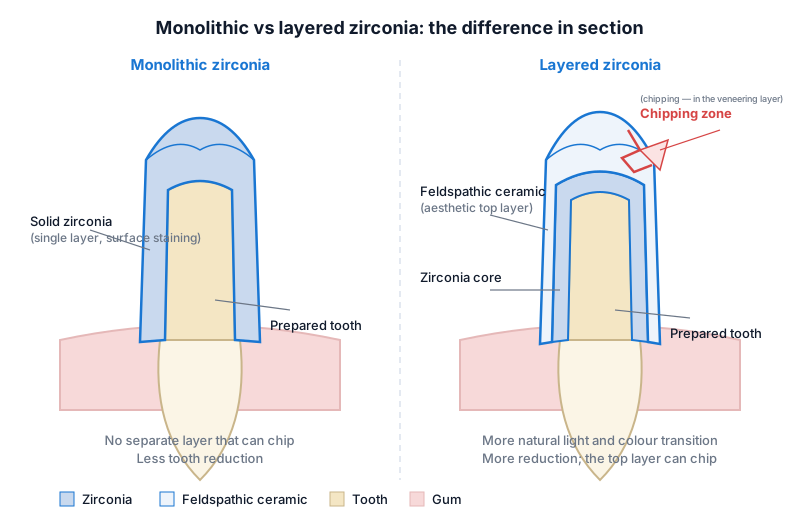 On the left, monolithic zirconia: a single solid layer. On the right, layered zirconia: feldspathic ceramic over a zirconia framework; chipping usually occurs in this outer layer, at the points where load is concentrated.
Why does the outer ceramic chip in layered zirconia?
This is the main weak point of the layered construction, and the evidence base is fairly clear. There are several reasons: the outer feldspathic ceramic is considerably weaker than zirconia; if the coefficients of thermal expansion of the framework and the ceramic do not match exactly, internal stress remains after firing; and if the framework does not support the outer layer evenly everywhere, the unsupported area cracks under load. Zirconia is also a poor conductor of heat, which increases stress during cooling.
The systematic review by Sailer and colleagues in the journal Dental Materials (2015) covered 9434 all-ceramic single crowns; the 5-year survival of layered zirconia crowns was around 92.1%, and chipping of the outer ceramic was recorded more often than with metal-ceramic. That review had not yet assessed monolithic zirconia separately, because at the time long-term data were scarce.
The meta-analysis by Shihabi and Chrcanovic in the journal Clinical Oral Investigations (2023), on the other hand, provides a direct comparison: across 74 studies, 6370 tooth-supported zirconia restorations (4264 layered, 2106 monolithic) in 3549 patients were followed for up to 152 months. At 5 years of follow-up, minor chipping was around 10.4% in layered zirconia and around 0.08% in monolithic; major chipping was around 1.9% in layered and around 0.08% in monolithic. Cumulative 5-year survival was around 95.7% for monolithic and around 93.6% for layered. For complete fracture (catastrophic fracture), no significant difference was found between the two groups.
The 2026 meta-analysis by Pjetursson and colleagues (Int J Prosthodont, 64 studies, 8051 all-ceramic single crowns) points in the same direction: 5-year crown survival was around 97.3% for layered zirconia and around 96.8% for monolithic zirconia — that is, survival is similar, but ceramic chipping was significantly less frequent in monolithic crowns than in layered ones.
The correct conclusion from these figures is this: layered zirconia is not a bad option, and survival is good; the problem is that the crown stays in place, but a piece of it can chip off and require repair or replacement.
Monolithic zirconia has limitations of its own
Because chipping does not occur, it would be wrong to choose monolithic zirconia everywhere.
Aesthetics. Classic 3Y-TZP zirconia is opaque. According to the review by Zhang and Lawn (J Dent Res, 2018), this material provides a flexural strength of 1.0–1.5 GPa, but because it does not transmit light it is limited for front teeth. The 4Y/5Y zirconias, which contain more cubic phase, are considerably more translucent, but their flexural strength drops to 0.5–1.0 GPa and their fracture toughness decreases. In other words, when translucent monolithic zirconia is chosen, part of the strength is given up; the dentist must be aware of this and select the grade that suits the position of the tooth.
Individualisation. In a monolithic crown, colour transitions are created with surface stains; these do not fully replace the depth effect of layered ceramic. If a perfect match with the neighbouring natural teeth is needed on a front tooth, this limitation becomes noticeable.
Wear of the opposing tooth. This is a frequently asked question. A well-polished zirconia surface wears natural enamel less than feldspathic ceramic does; the problem is an unpolished surface, or one that has been roughened during adjustment. That is why the surface must be re-polished after the bite has been adjusted.
Repair. Monolithic zirconia is difficult to polish in the mouth, and if chipping does occur the whole crown is usually replaced; in a layered crown, minor chipping can sometimes be repaired with composite.
Comparison table
| Criterion | Monolithic zirconia | Layered zirconia |
|---|---|---|
| Construction | Solid zirconia, surface stains | Zirconia framework + feldspathic ceramic layer |
| Risk of chipping of the outer ceramic | Very low (~0.08% at 5 years, meta-analysis) | Noticeable (minor chipping ~10.4% at 5 years) |
| 5-year survival (meta-analyses) | ~95.7–96.8% | ~93.6–97.3% |
| Translucency and depth | Moderate in translucent grades; limited with stains | High; built up by hand by the technician |
| Tooth reduction | Less (can be made thin) | More (space needed for framework + ceramic) |
| Strength | High (3Y); decreases in translucent grades | Framework is strong, outer layer is weak |
| Wear of the opposing tooth | Low on a polished surface; increases on a rough surface | Feldspathic ceramic can wear enamel more |
| Repair in the mouth | Difficult; usually replacement | Minor chipping is sometimes repaired with composite |
| Typical placement | Back teeth, bridges, bruxism, implant-supported | Front teeth with high aesthetic demands |
Which one is chosen when?
The decision is made by answering several specific questions.
Where is the tooth located? In molars and premolars, appearance comes second and load comes first; here monolithic zirconia is the standard choice. For front teeth, lithium disilicate or layered/partially layered zirconia is considered first. We have compared the choice between zirconia and lithium disilicate for front teeth separately in the article E-max or zirconia.
Does the patient clench? In bruxism, the outer ceramic layer is the most at risk. In this case monolithic zirconia and a night guard are planned together; we have discussed bruxism itself and the appliance in the article bruxism and night guards.
How much space is there? If the tooth is short, or the distance to the opposing tooth is small, there is not enough room for a layered construction; a monolithic crown can be made thin.
Is it a bridge or a single crown? In long bridges, the connector area is under load; a monolithic framework, or one layered only on the front surface, is considered more reliable.
Is it on an implant? An implant does not have the periodontal cushion of a natural tooth (the elastic fibres that attach the tooth to the bone), so load is transmitted directly; for this reason the monolithic option is chosen more often for implant-supported crowns. In detail: materials for implant-supported prostheses.
How high is the aesthetic demand? If only a single front tooth is being restored and the neighbouring natural teeth transmit light richly, a layered or partially layered version, or lithium disilicate, may be preferable. If several front teeth are being restored together, monolithic translucent zirconia can also give a suitable result, because there is less for the eye to compare it with next door.
A brief note on cement and bonding
Zirconia is not etched with acid the way glass-ceramics are; it is usually retained through the accuracy of the fit and the cement. The type of cement was also assessed in the meta-analysis by Shihabi and Chrcanovic: no cases of decementation (the crown coming loose) were recorded in restorations luted with resin-modified glass ionomer cement, whereas with zinc phosphate cement decementation was around 5%; sandblasting (air abrasion) did not clinically reduce the risk of decementation. On a short or tapered preparation, the dentist may use a resin cement and a special primer.
Factors that affect the lifespan of a crown as much as the material does
The choice of construction is important, but it is not the only factor. Marginal accuracy, correct adjustment of the bite, polishing of the surface, daily hygiene and control of clenching change the risk of chipping and decay to the same extent. We have explained when a crown needs to be replaced in the article when to replace old crowns; the general indications for crowns are covered in the article types of aesthetic crowns.
At the clinic, zirconia crowns are produced with a digital scan and a CAD/CAM workflow as part of our prosthodontic treatment service; which construction is suitable is decided through an individual examination and bite analysis.
Frequently asked questions
If the ceramic on a layered zirconia crown chips, does the whole crown have to be replaced? Not always. Minor chipping that does not interfere with chewing can be polished or repaired with composite. In the case of major chipping, or if the framework becomes exposed, the crown is usually remade.
Does monolithic zirconia inevitably look artificial on a front tooth? Classic opaque zirconia can look artificial; with translucent 5Y zirconia and surface individualisation the result is considerably more natural. A single front tooth, especially when the neighbouring tooth is very translucent, is still a difficult case.
Will monolithic zirconia wear down my opposing tooth? Well-polished zirconia wears enamel less than feldspathic ceramic does. What matters is that the surface is re-polished after the bite is adjusted.
Is layered zirconia absolutely out of the question in bruxism? There is no absolute ban, but because the risk of chipping is high, the monolithic option together with a night guard is preferred. If a layered crown is chosen on a front tooth for aesthetic reasons, the ceramic is kept only on the front surface, away from the load.
Is translucent zirconia weaker than ordinary zirconia? Yes, as the cubic phase increases, strength decreases. That is why the translucent grade is chosen for front teeth and single crowns, and the classic 3Y grade for long bridges and heavy loads.
Conclusion
Monolithic and layered zirconia are two constructions made from the same material. Meta-analyses show that chipping of the outer ceramic is considerably more frequent in the layered version, while survival remains high for both. Monolithic zirconia is more reliable for back teeth, bridges, implant-supported crowns and bruxism; layered or partially layered zirconia keeps its place on front teeth with high aesthetic demands. The right choice is made according to the position of the tooth, the available space, clenching and aesthetic expectations.
Sources
- Clinical outcomes of tooth-supported monolithic zirconia vs. porcelain-veneered zirconia fixed dental prosthesis, with an additional focus on the cement type: a systematic review and meta-analysis — Clinical Oral Investigations, 2023 (Shihabi, Chrcanovic)
- A Systematic Review and Meta-analysis Evaluating the Survival, Failure, and Complication Rates of Metal-Ceramic, Veneered, and Monolithic All-Ceramic Tooth-Supported Single Crowns — Part 1 — The International Journal of Prosthodontics, 2026 (Pjetursson et al.)
- Novel Zirconia Materials in Dentistry — Journal of Dental Research, 2018 (Zhang, Lawn)
- All-ceramic or metal-ceramic tooth-supported fixed dental prostheses (FDPs)? A systematic review of the survival and complication rates. Part I: Single crowns (SCs) — Dental Materials, 2015 (Sailer et al.)
This article is for general information only and does not replace an individual diagnosis, examination or treatment. Consult a doctor for a decision about your case.