

What is bruxism and how does teeth clenching affect the TMJ?
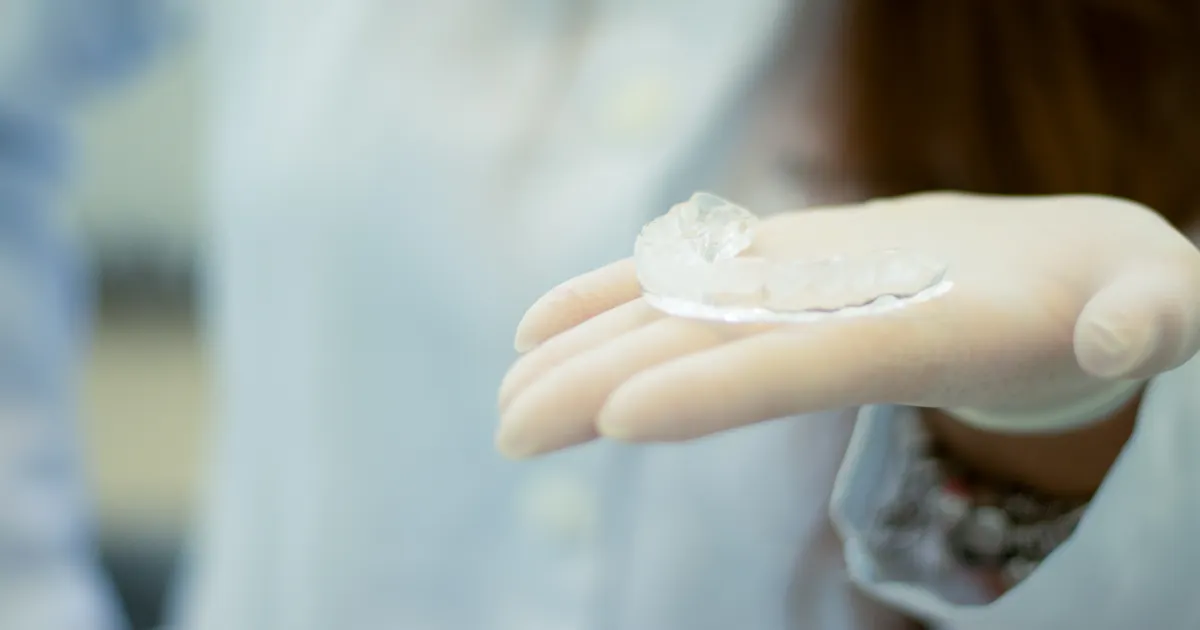
Bruxism is repetitive activity of the chewing muscles: clenching the teeth, grinding them, or holding the jaw tense. It has two forms — sleep bruxism (at night, without being aware of it) and awake bruxism (during moments of concentration or stress). Clenching wears down the enamel, causes cracks and sensitivity in the teeth, tires the chewing muscles and increases the load on the TMJ — morning jaw fatigue, temple pain and joint discomfort come from here. Management is most often a combination of a night guard, habit control and stress reduction.
Key points
- Bruxism is not a single «disease»; according to the international consensus, in a healthy person it is assessed as a behaviour and is considered a clinical problem only when it causes harm.
- The causes and management of sleep and awake bruxism differ; in many people both occur together.
- Damage to the teeth (wear, cracks, fractured restorations) and loading of the TMJ and muscles are the main consequences.
- A night guard protects the teeth; the evidence that it «switches off» bruxism is weak.
- Stress, sleep quality, certain medicines, caffeine, tobacco and alcohol are contributing factors.
What is bruxism and why is it called a «behaviour»?
The international consensus published in the Journal of Oral Rehabilitation in 2018 defines bruxism as follows: repetitive activity of the chewing muscles — clenching or grinding the teeth, or bracing or thrusting the jaw forward. The same document distinguishes two separate conditions: sleep bruxism and awake bruxism. The important point is that the consensus assesses bruxism in an otherwise healthy person not as a disease but as a behaviour; in some people it becomes a risk factor for tooth wear and pain, while in others it causes no harm at all.
For the patient this is both a reassuring and a clarifying approach: the aim is not to «eliminate bruxism completely» but to manage the harm and the complaints it causes.
Sleep bruxism
It occurs during sleep and the person is usually unaware of it; most often a bed partner hears the sound or the dentist sees the wear. It is linked to micro-arousal moments during sleep and may go together with sleep disorders such as snoring and sleep apnoea. Grinding (the teeth rubbing sideways) is more common in this form.
Awake bruxism
Clenching the teeth and holding the jaw tense while awake, usually while concentrating, sitting at the computer, driving a car or during tense moments. There is little sound here; the main sign is jaw and temple fatigue towards the end of the day. This form is more closely linked to stress and can be managed through awareness.
Symptoms: how do you recognise bruxism?
Many people do not notice it for years. The following are warning signs:
- Fatigue or pain in the jaw, temple or cheeks in the morning.
- Morning headache, particularly in the temple area.
- Flattening of the tips of the teeth, shortening of the front teeth.
- Increased tooth sensitivity to cold and sweet things.
- Cracks in the teeth, frequent fracturing of fillings or crowns.
- Bite marks on the inside of the cheek and along the edge of the tongue.
- Sounds, tension in the TMJ or stiffness when opening the mouth.
- A bed partner hearing grinding sounds at night.
According to the consensus document, bruxism is assessed at three levels: «possible» (based only on what the patient reports), «probable» (patient report + signs on clinical examination) and «definite» (additionally, an instrumental recording of muscle activity — for example, in a sleep laboratory). In everyday practice the first two levels are enough to make a plan.
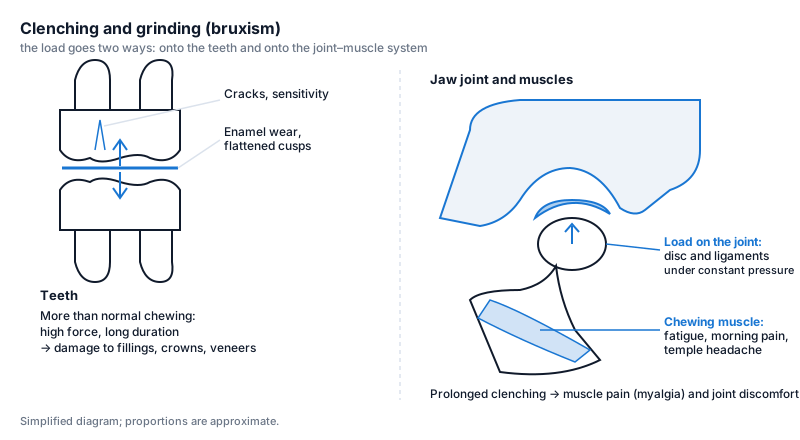 Clenching and grinding, on the one hand, wear down the enamel and create cracks and, on the other hand, keep the chewing muscles and the TMJ constantly under load.
How does bruxism affect the teeth?
Normally the teeth touch each other during the day only while chewing and swallowing — just a few short minutes in total. In bruxism this contact is both far longer and made with a force many times greater than normal chewing. The consequences:
- Enamel wear: the chewing surfaces of the teeth flatten and the incisal edges become thinner. Enamel does not grow back.
- Cracks and fractures: especially in teeth with large fillings and root canal treatment.
- Sensitivity: as the enamel thins, the dentin underneath is exposed.
- Damage to restorations: fillings, crowns, veneers and prostheses on implants all suffer from this load. For patients planning veneers, bruxism is a factor that must be taken into account — we discuss this in the article how long do veneers last.
- Load on the gums and bone: excessive force over the long term can also affect the supporting tissues of the teeth.
How does bruxism affect the TMJ?
This is the main question of the article, and the answer is built around the word «load».
The muscles. In bruxism the chewing muscles (the masseter in the cheek and the temporal muscle at the temple) stay tense for hours at night or for long periods during the day. Like any muscle, they become tired and painful, and painful tight spots develop within them. Morning jaw fatigue and temple pain are a direct result of this muscle loading. In the international diagnostic criteria this is called «myalgia» (muscle pain) and it is the most common form of TMJ disorders (TMD).
The joint itself. When the teeth are clenched, the joint head of the lower jaw (the condyle) is pressed more firmly into the socket in the temporal bone. The articular disc in between and the ligaments holding it have to carry this pressure constantly. Over time this can create the conditions for inflammation around the disc (joint pain), loosening of the ligaments and, in some cases, displacement of the disc. Here it is important to be honest: bruxism and temporomandibular disorders often occur together and reinforce each other, but it is not correct to say that «every case of bruxism damages the joint»; the relationship is individual and multifactorial. NIDCR also explains the cause of TMD as a combination of factors such as genetic predisposition, stress and pain perception — in this picture bruxism is one of the strong contributing factors.
The practical conclusion. In a patient with TMJ complaints you should look for bruxism, and in a patient with bruxism you should check the joint and muscles. For a full list of symptoms you can look at the article on the symptoms of a TMJ problem.
Causes and contributing factors
Bruxism has no single cause. The NHS patient information lists stress and anxiety as the most common factor; other factors are:
- Sleep disorders — snoring, sleep apnoea (pauses in breathing during sleep).
- Certain medicines — some preparations used for sleep, depression and anxiety.
- Tobacco, excessive alcohol and caffeine, particularly in the evening hours.
- Habits — chewing gum, nail biting, pen chewing (they «train» the muscles).
- Genetic predisposition — bruxism in the family increases the risk.
The bite (how the teeth meet each other) was for many years considered the main cause. Today's evidence does not support this; the bite is taken into account not as the cause of bruxism but as the factor that determines where the load falls. This topic is covered separately in the article bite and the TMJ.
Management: what helps?
There is no single method that «stops bruxism completely»; for this reason the plan usually combines several directions.
Night guard (occlusal splint)
This is a hard or semi-hard plastic plate made to individual measurements and worn during sleep. It creates a buffer between the teeth, prevents the enamel from rubbing and spreads the force over a wider area. Cochrane's 2007 systematic review (5 randomised trials) came to the following conclusion: there is not enough evidence to say that a night guard reduces sleep bruxism itself, but there may be a benefit in terms of preventing tooth wear. It is correct to read this as follows: the guard is protective, not «curative». It is valuable for protecting the teeth and restorations; in many patients it also eases muscle pain, but this is not the same for everyone.
Ready-made «universal» guards bought from a pharmacy sometimes help temporarily, but because they do not fit the teeth fully they can change the bite and cause discomfort. The types of guard, which one is chosen in which situation and how it is used are explained separately in the article TMJ splint treatment.
Adjusting the daytime habit
For awake bruxism the most effective method is awareness. A simple rule: «lips together, teeth apart». As soon as you notice during the day that your teeth are touching, relax the jaw. Setting a reminder on your phone or sticking a small note on your desk helps many patients. Keeping the tip of the tongue behind the upper teeth also relaxes the muscles.
Stress and sleep
The NHS recommends relaxation techniques (breathing exercises, music), a regular sleep routine and warm/cold compresses on the jaw. When stress is severe, psychological support or advice from a doctor may be part of the plan. If snoring and pauses in breathing during sleep are suspected, an assessment with a sleep doctor is needed — in such cases bruxism often decreases once the sleep problem is resolved.
Lifestyle
Reducing caffeine and alcohol in the evening, giving up tobacco and limiting chewing gum and hard foods all reduce the load on the muscles.
Restoring the teeth
Worn teeth are most often restored only after bruxism has been brought under control; otherwise the new restorations are exposed to the same load. In severe wear, extensive plans that restore the height of the bite may be needed — this is a subject for separate discussion.
In our clinic, bruxism and TMJ complaints are managed within the TMJ and gnathology area; night guards are made to individual measurements.
When should you see a dentist?
- If morning jaw pain or headache continues for weeks.
- If you have noticed wear, cracks or sensitivity in your teeth.
- If fillings, crowns or veneers fracture frequently.
- If there is pain or noise in the TMJ, or limited mouth opening.
- If your bed partner hears grinding at night and there is snoring as well.
Frequently asked questions
Is it possible to cure bruxism completely? In most cases the aim is not to «eliminate it completely» but to keep it under control. Protecting the teeth, reducing muscle pain and managing the contributing factors (stress, sleep, habits) are realistic and achievable goals.
Do I have to wear the night guard every night? Follow the routine your dentist gives you; every night is usually recommended, because it is impossible to know in advance on which night the grinding will intensify. The guard should be checked periodically and replaced when it wears down.
Should teeth grinding in children be a cause for concern? Grinding is relatively common during the baby teeth period and often decreases with age. If there is pain, noticeable wear on the teeth or a breathing problem during sleep (snoring, pauses in breathing), consult a paediatrician and a dentist.
Does Botox help the chewing muscles? In some severe cases botulinum toxin injections into the chewing muscles are used to reduce muscle strength temporarily. This is not a first choice; it is discussed by a specialist's decision when conservative methods are not enough.
Does bruxism prevent having implants or veneers? It does not prevent it, but it does change the plan: the choice of material, the design of the bite and the need for a compulsory night guard are all taken into account. Do not hide your bruxism — when the dentist knows about it, the restoration lasts longer.
Conclusion
Bruxism — clenching and grinding the teeth during sleep or during the day — wears down the teeth, damages restorations and keeps the chewing muscles and the TMJ constantly under load. This load shows itself as morning jaw fatigue, temple pain and joint complaints. A night guard is a reliable means of protecting the teeth, but it does not «switch off» bruxism itself; for this reason habit control and the management of stress and sleep are an inseparable part of the plan. A consultation with a gnathologist is the first step in assessing your individual situation.
Sources
- International consensus on the assessment of bruxism: Report of a work in progress — Journal of Oral Rehabilitation, 2018
- Occlusal splints for treating sleep bruxism (tooth grinding) — Cochrane Database of Systematic Reviews, 2007
- Teeth grinding (bruxism) — NHS (National Health Service, UK)
- TMD (Temporomandibular Disorders) — National Institute of Dental and Craniofacial Research (NIDCR), NIH
This article is for general information only and does not replace an individual diagnosis, examination or treatment. Consult a doctor for a decision about your case.