

Fear of the dentist: where does it come from and how is it managed?
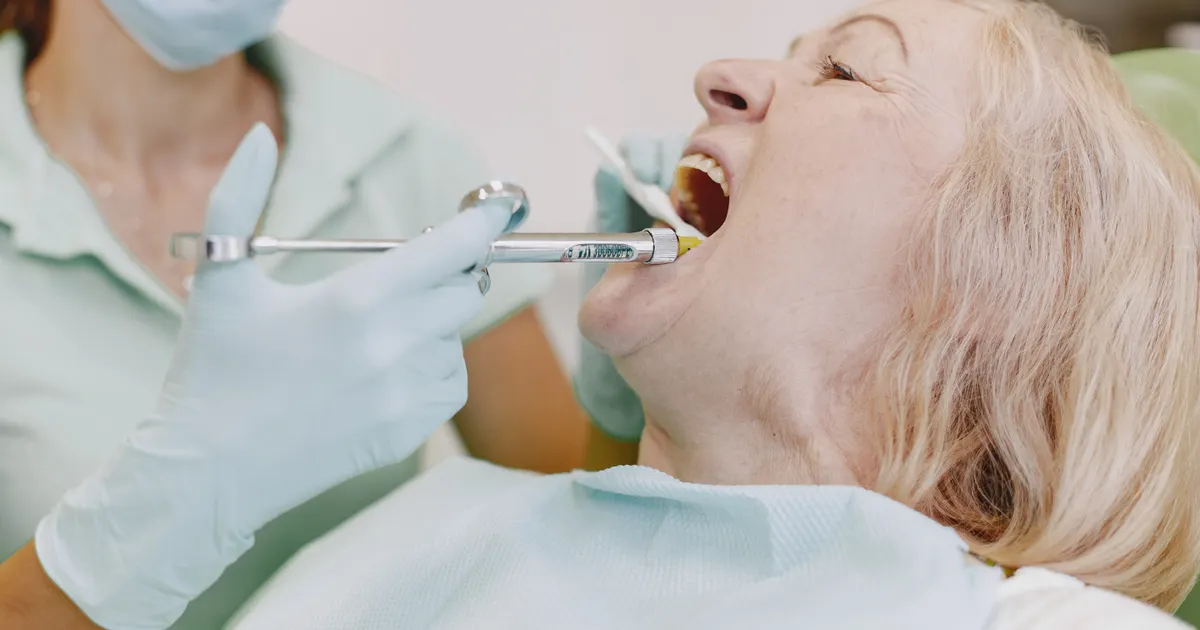
Fear of the dentist (dental anxiety) is very common and can be managed: according to a meta-analysis using the MDAS scale, around 18% of adults show high levels of dental anxiety. The longer fear delays a visit, the more a small problem grows — which is why the aim is not to «defeat» the fear, but to create the conditions that make treatment possible: open communication, a sense of control, a step-by-step approach and, in selected cases, sedation.
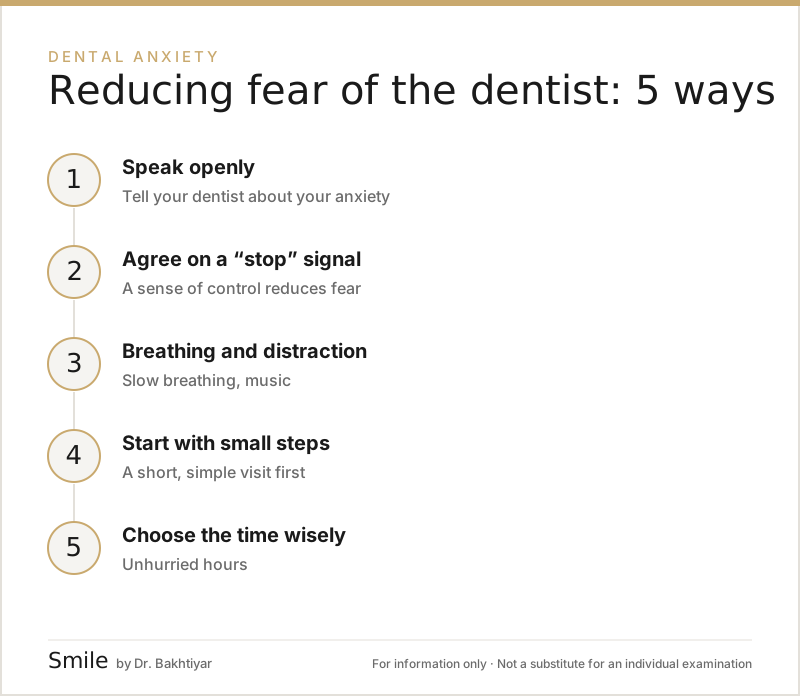
Five ways to reduce fear of the dentist.
Where does fear of the dentist come from?
- Past negative experience — the memory of a painful or uncomfortable visit; this is the most common cause.
- Expecting pain — the belief that a procedure is bound to hurt (with modern anaesthesia this is often unfounded; for example: is root canal treatment painful?).
- A feeling of losing control — lying in the chair and not being able to direct what happens.
- Sounds and smells — associations linked to the clinical environment.
- Embarrassment — fear of being judged for the state of your teeth.
None of these is a weakness — they are normal psychological reactions, and once recognised they can be managed. In children, meta-analyses also confirm the link between anxiety and oral health problems: the cycle of fear → delay → more extensive treatment is a real risk.
Five practical ways to reduce fear
1. Speak openly
Tell us about your worries in advance. A dentist who knows what unsettles you can slow the pace down and explain every step before it happens.
2. Agree on a «stop» signal
A simple hand signal you can raise whenever you feel uncomfortable restores your sense of control — a small agreement, a big relief.
3. Breathing and redirecting attention
Slow, deep breathing calms the nervous system; music through headphones and agreed breaks also help. Research into digital support tools (apps, virtual environments) is ongoing, and the early results are encouraging.
4. Start with small steps
The first visit can be limited to an examination and simply getting to know each other. Becoming familiar with the environment makes the treatment that follows easier.
5. Choose your time wisely
Pick a calm time when you are not in a rush — morning appointments feel more comfortable for many patients.
What if these techniques are not enough? The sedation option
If the fear is so strong that it keeps you away from necessary treatment altogether, this is a clinical matter to discuss openly with your dentist. In selected cases, treatment can be carried out under sedation: laughing gas keeps the patient awake while reducing anxiety, whereas general anaesthesia is considered only with a separate indication and an anaesthetic assessment. Sedation is not a «cure» for fear — it is a bridge that makes the necessary treatment possible.
Our approach at Smile by Dr. Bakhtiyar
At our clinic in Baku, work with anxious patients is calm, step by step and free of pressure: every stage is explained beforehand, the «stop» signal is offered as standard, and the first visit can, if you wish, take the form of a simple introduction. In cases of severe fear, the sedation option is assessed individually at the consultation. To make sure your child's first experience goes well: a child's first visit to the dentist.
Frequently asked questions
Is fear of the dentist normal? Yes — meta-analysis data shows that around 18% of adults experience it at a high level, and milder unease is even more widespread. There is nothing to be embarrassed about; what matters is sharing the fear with your dentist.
I feel too embarrassed to say I am afraid — what should I do? Dentists work with anxious patients every day. Saying «I am afraid of the dentist» is enough — the pace and format of the visit will be adapted accordingly.
I have not been for many years — is it too late? It is not too late. The first step is a simple examination; whatever the situation, you will be offered a plan, not judgement.
Do I need sedation? For most patients, the techniques above are enough. If they do not work and treatment keeps being postponed, the sedation option is discussed at the consultation — the decision is made on an individual clinical assessment.
How can I reduce my child's fear? Present the visit in positive language, avoid words such as «pain» and «needle», and plan the first visit early and as a simple introduction.
Clinical note: This article is for general information and support only and does not replace medical or psychological treatment. For a comfortable start, book an appointment and let us know about your worries in advance.
Sources
- High dental anxiety among adults worldwide: A systematic review and meta-analysis using the MDAS — British Journal of Clinical Psychology, 2026
- Systematic Review and Exploratory Meta-Analysis of AI-Enabled and Digital Technology-Assisted Interventions for Dental Anxiety — Depression and Anxiety, 2026
- Anxiety and depression associated oral health problems in pediatric populations: A systematic review and meta-analysis — Journal of Affective Disorders, 2026
This article is for general information only and does not replace an individual diagnosis, examination or treatment. Consult a doctor for a decision about your case.