

Sedation Dentistry
For children and adults with strong fear, a pronounced gag reflex or difficulty cooperating in the chair, necessary dental treatment can be provided with sedative support. Smile by Dr. Bakhtiyar in Baku offers nitrous oxide inhalation sedation and, when indicated, treatment under general anaesthesia; suitability is assessed individually.
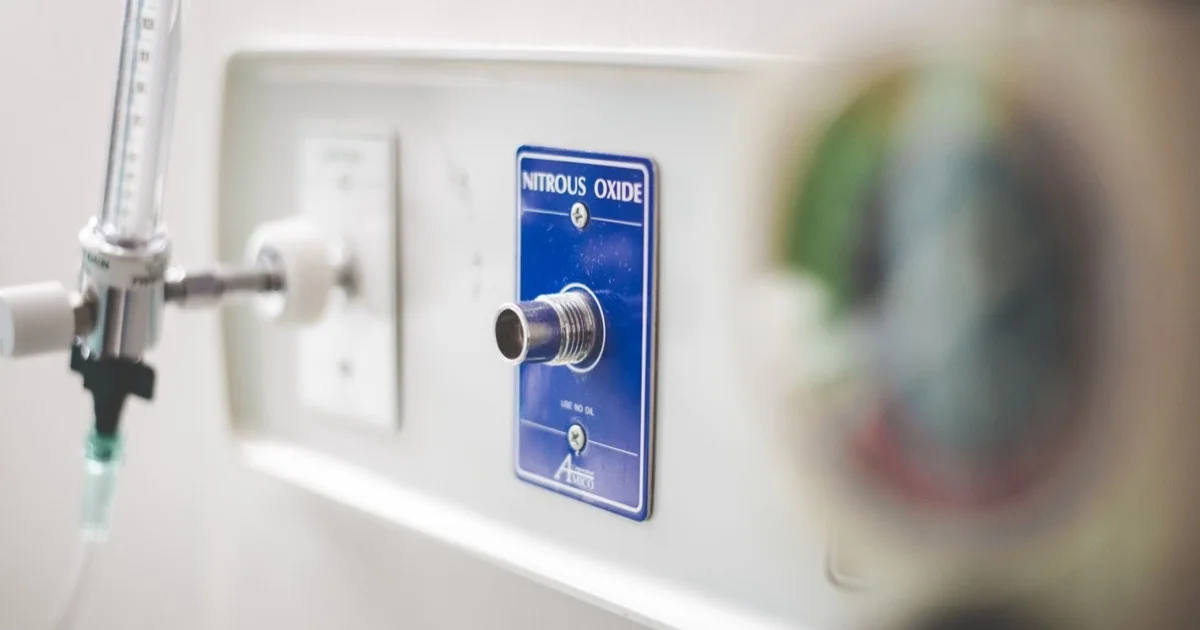
Sedation dentistry uses medication support to reduce anxiety so that necessary dental treatment becomes possible. With nitrous oxide inhalation sedation (nitrous oxide + oxygen) the patient stays awake and can communicate with the dentist; under general anaesthesia the patient is unconscious and the airway is managed by an anaesthesia team. Both approaches are used only after an examination and an anaesthesia assessment.
In children, sedation is considered when a young child cannot cooperate in the chair, is very afraid, has had negative treatment experiences or needs extensive treatment. The goal is not simply to make the child sleep, but to make necessary treatment possible with less psychological stress when clinically appropriate. In selected paediatric cases, sedation or general anaesthesia may allow several necessary procedures to be completed in the same session, reducing the number of stressful visits; the scope of each session depends on anaesthesia safety and the clinical plan.
In adults, sedation is discussed for severe dental anxiety or phobia, a pronounced gag reflex, difficulty tolerating long procedures and extensive treatment. In our clinic, adult sedation is especially relevant during surgical procedures — wisdom tooth removal and implant surgery — where clinically appropriate. Not every adult needs sedation.
Nitrous oxide is delivered through a small nasal mask; the effect starts relatively quickly and generally wears off soon after the gas is stopped. The patient breathes a nitrous oxide and oxygen mixture, remains conscious, anxiety often decreases and the gag reflex may be reduced in some patients. The clinic uses a Baldus nitrous oxide delivery system (Germany). The method does not remove fear in everyone and is not completely risk-free — suitability is decided by the dentist.
General anaesthesia (often called 'narkoz' colloquially) is a deeper level: the patient is unconscious, airway management may include endotracheal intubation, and continuous monitoring is required. Anaesthesia is managed by an anaesthesia team. It is not the same as ordinary sedation, and this page deliberately keeps the two concepts separate.
Safety depends on patient selection, medical history, anaesthesia assessment, correct technique, monitoring and emergency preparedness; sedation is not completely risk-free. Before treatment a medical history is taken (conditions, medications, allergies, previous anaesthesia experience), and exact instructions on food and fluid intake are given by the anaesthesia team. After deeper sedation or general anaesthesia an observation period, an accompanying adult and no driving that day are required. Prices: sedation 295 AZN for the first hour and 120 AZN per additional hour; Baldus nitrous oxide 250 AZN for the first hour and 120 AZN per additional hour; initial consultation 60 AZN. Phone: +994 55 501 01 07.
Prices
| Initial visit, consultation and personalised treatment plan | $35 |
| Sedation (first hour) | $175 |
| Sedation (each additional hour) | $70 |
| Baldus laughing gas (first hour) | $145 |
| Baldus laughing gas (each additional hour) | $70 |
Prices are set in Azerbaijani manat (AZN); US dollar amounts are approximate, converted at the exchange rate of 2026-10-27. The AZN amount is what is charged. Prices come from the same source as the Prices page; the final amount is set after your examination. Sedation prices →
Sources
- Use of Nitrous Oxide for Pediatric Dental Patients — American Academy of Pediatric Dentistry (AAPD), Best Practices
- Monitoring and Management of Pediatric Patients Before, During, and After Sedation for Diagnostic and Therapeutic Procedures — AAPD / American Academy of Pediatrics
- Guidelines for Monitoring and Management of Pediatric Patients Before, During, and After Sedation (Coté & Wilson) — Pediatrics, 2019
- Types of Anesthesia — American Society of Anesthesiologists (ASA)
- Anesthesia and Sedation — American Dental Association (ADA)
- Baldus sedation systems — Baldus (istehsalçı), Almaniya
If this sounds familiar
If you have one of these complaints, this service may be right for you:
- “My child will not sit in the chair or open their mouth”
- “I am very afraid of the dentist and have avoided visits for years”
- “I gag during treatment”
- “A lot of work is needed and many visits are hard”
- “Can my child be treated under anaesthesia?”
Frequently asked questions
Is the patient asleep during sedation?
With nitrous oxide — no: the patient stays awake, feels calmer and can talk to the dentist. Under general anaesthesia the patient is unconscious and does not remember the procedure. These are different levels with different indications.
What is laughing gas?
A mixture of nitrous oxide and oxygen breathed through a small nasal mask. It reduces anxiety and may lessen the gag reflex in some patients; the effect starts quickly and generally wears off soon after the gas is stopped. The clinic uses a Baldus (Germany) system.
Can children have sedation?
Yes, when clinically indicated: for children who cannot cooperate in the chair, are very afraid or need extensive treatment. The decision is based on age, dental condition, general health and an anaesthesia assessment.
When is sedation used in adults?
For severe dental anxiety, a pronounced gag reflex, difficulty tolerating long procedures and extensive treatment plans. In our clinic it is most often used during surgical procedures (wisdom teeth, implants). Not every adult needs it.
Does sedation help with a strong gag reflex?
In a number of patients nitrous oxide reduces the gag reflex and makes treatment possible. The effect is individual; suitability is assessed at the examination.
How many teeth can be treated in one visit?
In selected paediatric cases sedation or general anaesthesia may allow several necessary procedures to be completed in one session. The exact scope depends on anaesthesia safety and the clinical plan — there is no 'all teeth at once' rule.
Is sedation dangerous?
In appropriately selected patients, with accepted protocols, monitoring and trained personnel, sedation and general anaesthesia can be performed safely, but they are not completely risk-free. That is why a medical history and anaesthesia assessment come first.
Can I eat before treatment?
Exact instructions on food and fluid intake are given individually by the anaesthesia team before the procedure; before deep sedation and general anaesthesia they must be followed strictly.
Can I go home after sedation?
After nitrous oxide — usually yes, after a short rest. After deep sedation or general anaesthesia an observation period at the clinic, an accompanying adult and no driving that day are required.
What is the difference between sedation and general anaesthesia?
Under sedation the patient is conscious and can communicate; under general anaesthesia consciousness is switched off, the airway may be protected by intubation and full anaesthesia monitoring is used. Colloquially general anaesthesia is often called 'narcosis'.
Is pain felt during sedation?
Sedation reduces anxiety, while pain control comes from local anaesthesia — the two work together. Under general anaesthesia the patient is unconscious and does not feel the procedure.
Can every procedure be done under sedation?
Many procedures can be, but none requires sedation automatically. The decision is individual, based on the patient's condition, the scope of work and the anaesthesia assessment.

Doctor performing this treatment
Implantologist · Digital Dentistry · Founder of the clinic
Read more on this topic
- Fear of the dentist: where does it come from and how is it managed?
- When and how should a child have their first dental visit?
- Is root canal treatment painful?
- Wisdom Tooth Extraction: When Is It Needed and How Does Healing Go?
- Is dental implant placement painful, and what should you expect after surgery?
- Tooth Decay in Baby Teeth: Why It Matters and How to Prevent It