

What Should Replace an Extracted Tooth? An Overview of the Options
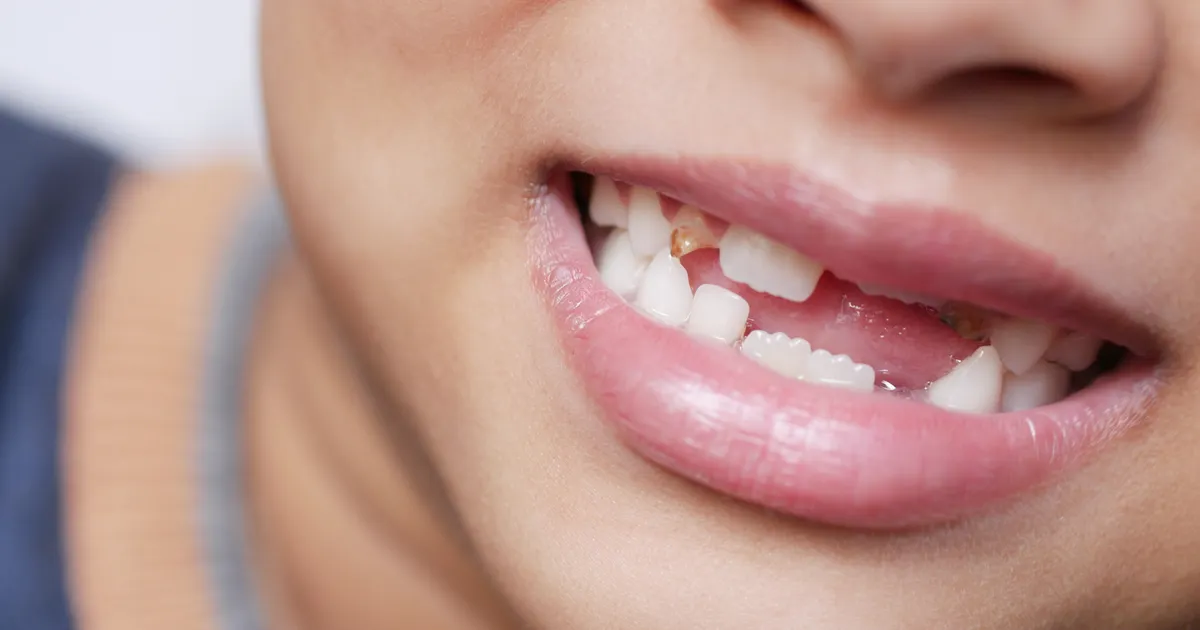
There are three main restorative options for an extracted or lost tooth: a dental implant, a bridge and a removable denture. Which one is suitable depends on the position and size of the gap, the condition of the jawbone, general health and budget. The right choice is determined individually, only after an examination and a discussion. This article is an overview of the options; we have covered an in-depth comparison of each option in separate articles.
What does the research say? According to systematic reviews, the long-term survival of both tooth-supported bridges and implant-supported crowns and bridges is high; the difference is mainly seen in the preparation of the neighbouring teeth, the type of complication and the cost. It has also been documented that bone at the extraction site changes the most during the first 3–6 months and that bone-preserving procedures can reduce this loss — which is why the choice is planned before the extraction or immediately afterwards. Related: Dental implantation · Prosthodontic treatment — crowns and bridges · Denture or implant?.
Why filling the gap matters: When the space left by a missing tooth stays empty, the neighbouring teeth can tilt into the gap, the tooth in the opposing jaw can over-erupt, and the jawbone beneath the gap can gradually resorb. Early planning makes later treatment simpler. We have explained this process separately in the article Tooth Loss and Jawbone Loss.
Option 1 — Dental implant
An implant is a titanium screw placed into the jawbone; an abutment and a crown are then fitted on top of it. It replaces both the root and the crown of the missing tooth.
- Advantages: the healthy neighbouring teeth are left untouched; it stimulates the bone and reduces its resorption; with proper care it can serve for many years.
- Points to consider: it requires a surgical procedure; sufficient bone is needed (if there is not enough, bone grafting is possible); time is needed for the bone to fuse with the implant (osseointegration).
- Who it suits: patients whose general health is suitable and who want a permanent replacement for individual teeth.
More details: What Is a Dental Implant.
Option 2 — Bridge
A bridge is a fixed prosthesis supported by the teeth on either side of the missing tooth. The adjacent teeth are prepared, and crowns cemented onto them together with an artificial tooth in between are fitted.
- Advantages: it requires no surgery; it is made relatively quickly; it is fixed (not removable).
- Points to consider: it requires the preparation of healthy neighbouring teeth; it does not stimulate the bone beneath the gap.
- Who it suits: patients who wish to avoid surgery or are not suitable for an implant, and who are willing to use the neighbouring teeth as supports.
Detailed comparison: Implant vs Bridge.
Option 3 — Removable denture (plate)
A removable denture is an appliance that replaces several or all of the teeth and that the patient can insert and take out themselves (it can be partial or complete).
- Advantages: it is usually the most affordable option; it can replace many teeth at once; no surgery is involved.
- Points to consider: it may feel less stable than fixed options; getting used to it takes time; it may require periodic adjustment.
- Who it suits: patients with multiple missing teeth, or those for whom surgery or fixed options are not suitable.
Detailed comparison: Denture vs Implant.
How to compare the options?
| Factor | Implant | Bridge | Removable denture |
|---|---|---|---|
| Surgery | Yes | No | No |
| Neighbouring teeth prepared | No | Yes | No |
| Stimulates the bone | Yes | Partly | No |
| Feeling of stability | High | High | Moderate |
| Time to make | Longer | Short | Short to moderate |
The table is intended only as general guidance. The best option for you depends on the condition of your teeth and bone, your medical history and your expectations — and only an examination can determine this.
What to ask your dentist before deciding
- Which options are suitable for my bone and gums?
- What is the expected lifespan and care requirement of each option?
- How many stages does the treatment involve and how long does it take?
- What are the risks and possible complications of each option?
The answers to these questions help you make an informed choice. No single option is the best for everyone — suitability is individual.
Questions and Answers (FAQ)
What happens if I leave the space of an extracted tooth empty? In the short term you may not notice any problem, but over time the neighbouring teeth can tilt, the opposing tooth can over-erupt and the jawbone beneath the gap can resorb. This can make restoration more difficult later on.
How long after a tooth extraction can restoration begin? This depends on the type of extraction and on healing. In some cases planning starts immediately, while implant placement is often carried out after the gum and bone have healed. Your dentist determines the exact timing.
Which is the cheapest option? A removable denture is usually the most affordable in terms of initial cost, whereas an implant requires a larger initial investment. However, long-term value also depends on lifespan and care; it is better to make the comparison individually with your dentist.
I have lost one tooth — is an implant the only right choice? No. For a single missing tooth both an implant and a bridge can be suitable; suitability depends on the bone, the neighbouring teeth and your own preferences. An examination clarifies the right choice.
Clinical note: This article is for general information and does not replace individual advice from a dentist. To determine the restorative option that suits you, book an appointment.
Sources: Peer-reviewed literature on implantology and prosthodontics; World Health Organization (WHO) — oral health. The clinical content is based on Dr. Bakhtiyar's experience in implantology.
Sources
- Implants versus short-span fixed bridges: survival, complications, patients' benefits. A systematic review on economic aspects — Clinical Oral Implants Research, 2012
- Comparison of survival and complication rates of tooth-supported fixed dental prostheses (FDPs) and implant-supported FDPs and single crowns (SCs) — Clinical Oral Implants Research, 2007
- A systematic review of post-extractional alveolar hard and soft tissue dimensional changes in humans — Clinical Oral Implants Research, 2012
- Effect of alveolar ridge preservation interventions following tooth extraction: A systematic review and meta-analysis — Journal of Clinical Periodontology, 2019
This article is for general information only and does not replace an individual diagnosis, examination or treatment. Consult a doctor for a decision about your case.