Clear Aligners
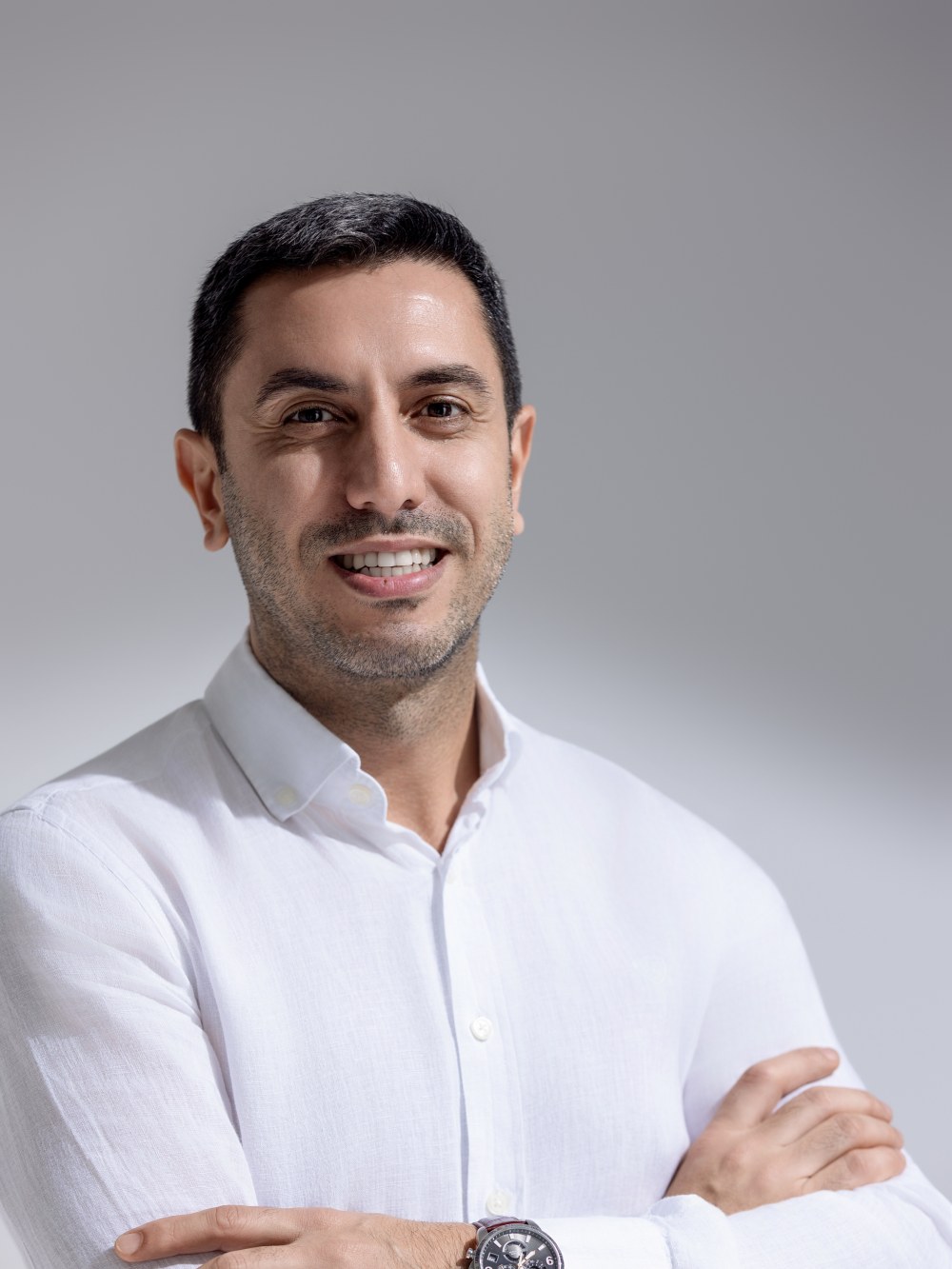
Clear aligners are nearly invisible removable trays that move teeth step by step. At Smile by Dr. Bakhtiyar in Baku, aligner treatment is led by orthodontist-gnathologist Dr. Məhərrəm Məmmədov using an intraoral scan and 3D planning.
Part of: Orthodontics
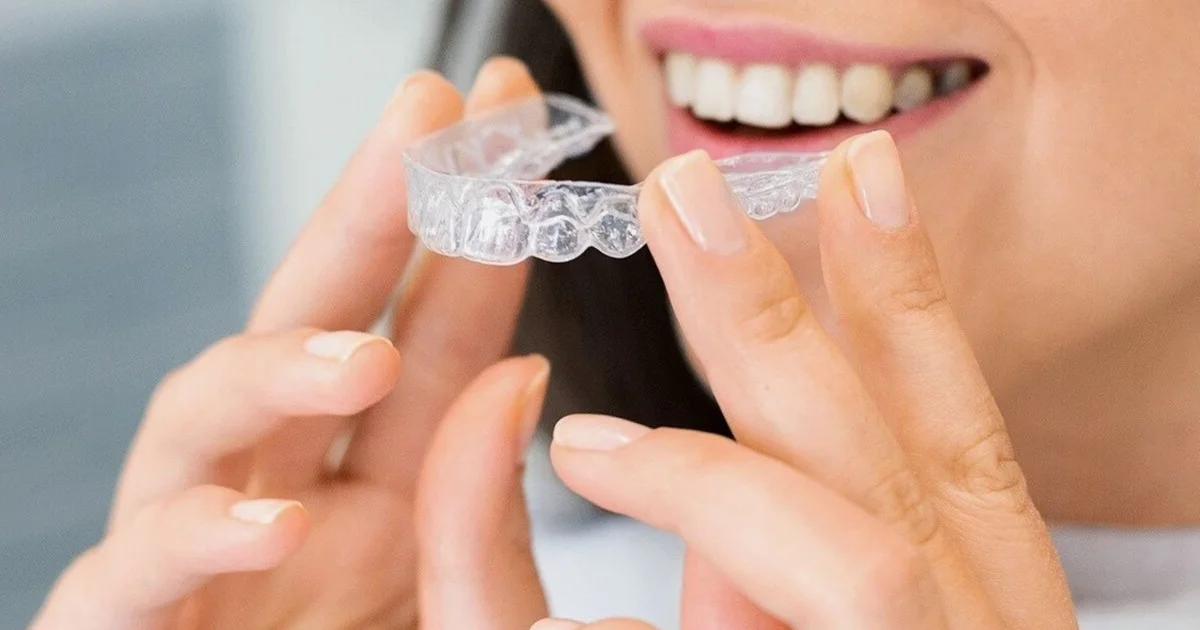
Aligners are a series of clear trays made to a digital plan. Each set moves the teeth a little in the planned direction; as the sets are changed, the dental arch gradually straightens. The trays are removable — taken out for meals, brushing and special occasions and worn the rest of the time. Results depend directly on the patient's discipline: aligners must be worn 20–22 hours a day.
Aligners are not for every case. They work well for mild to moderate crowding, spacing, aesthetic correction of the front teeth and relapse after braces; for complex movements (large bodily movement, extrusion, severe rotation, extraction and skeletal cases) fixed braces are more predictable. The orthodontist decides which system suits you after the examination and digital plan — see also orthodontics.
How do clear aligners work?
Treatment starts with an intraoral digital scan. From the scan the orthodontist plans the current and target tooth positions in 3D software; the plan is split into steps and a separate clear tray is made for each. Small tooth-coloured attachments may be bonded to some teeth to help the tray move them more precisely.
You change the sets in the order the doctor specifies. Mild pressure for the first 1–2 days of each new set is normal. At review visits the orthodontist checks progress and adjusts the plan if needed.
Who they suit — and who they don't
- Suitable: mild to moderate crowding, spacing, aesthetic correction of front teeth, relapse after braces
- Suitable: adults and teenagers ready to wear trays 20–22 hours a day
- Braces are better: large bodily movement, extrusion, severe rotation, extraction plans, skeletal discrepancies
- Treat first: active decay and gum inflammation need hygiene and treatment before orthodontics
Treatment stages
- 1
Orthodontist examination
Complaint, bite and gums are assessed; a panoramic X-ray or 3D CBCT if needed.
- 2
Digital scan and photos
Intraoral scan — no plaster impressions.
- 3
3D plan
Tooth movement is planned step by step; you see the result in advance, with the number of steps and price in writing.
- 4
Tray delivery
First sets, attachments if needed, instructions for wear and care.
- 5
Review visits
Usually every 6–10 weeks.
- 6
Refinement trays
If movement is not fully achieved — a new scan and additional sets.
- 7
Retention
A retainer to keep the result.
What the aligner price depends on
The price is calculated per step: 200 AZN per step. The number of steps depends on how much the teeth need to move, one or both arches, and whether refinement trays are needed. The exact amount is given in writing after 3D planning. All prices are on the prices page.
| Orthodontist examination | $20 |
| 3D tomography (CBCT) | $60 |
| Aligner (1 step) | $120 |
Prices are set in Azerbaijani manat (AZN); US dollar amounts are approximate, converted at the exchange rate of 2026-10-02. The AZN amount is what is charged. Prices come from the same source as the Prices page; the final amount is set after your examination. Orthodontics prices →
What the evidence says
Systematic reviews (2015, 2018, 2020) show that aligners are effective in mild to moderate cases, while for complex movements their predictability is lower than that of fixed braces. In a 2020 prospective study, on average about half of the planned tooth movement was achieved with the first series of trays — which is why refinement trays are a normal part of the plan. A 2025 review found only a small difference in root shortening between aligners and braces.
Daily rules
- Wear the trays 20–22 hours a day
- Remove them for meals and hot drinks; only water while wearing them
- Brush your teeth before putting them back in
- Clean the trays with cold water — hot water can warp them
- Tell the clinic if a tray is lost or cracked
Keeping the result — retention
After treatment, teeth tend to move back. According to a Cochrane review (2023), retainers are important for maintaining the result; the orthodontist chooses the retainer type and wearing regimen individually.
Sources
- Efficacy of clear aligners in controlling orthodontic tooth movement: a systematic review — The Angle Orthodontist, 2015
- Clinical effectiveness of Invisalign® orthodontic treatment: a systematic review — Progress in Orthodontics, 2018
- Effectiveness of clear aligner therapy for orthodontic treatment: A systematic review — Orthodontics & Craniofacial Research, 2020
- Has Invisalign improved? A prospective follow-up study on the efficacy of tooth movement with Invisalign — American Journal of Orthodontics and Dentofacial Orthopedics, 2020
- External Apical Root Resorption Following Orthodontic Treatment with Clear Aligners Versus Fixed Appliances: A Systematic Review — Dentistry Journal, 2025
- Retention procedures for stabilising tooth position after treatment with orthodontic braces — Cochrane Database of Systematic Reviews, 2023
If this sounds familiar
If you have one of these complaints, this service may be right for you:
- “I want invisible teeth straightening”
- “aligners instead of braces”
- “my teeth moved again after braces”
- “gaps between my teeth”
Frequently asked questions
Who are clear aligners suitable for?
Mild to moderate crowding, gaps between teeth, aesthetic correction of the front teeth and relapse after braces. For complex movements, extraction cases and skeletal problems, fixed braces are usually more predictable. The orthodontist confirms suitability after the examination and digital plan.
How many hours a day must aligners be worn?
20–22 hours a day. They come out only for meals, hot drinks and brushing. With less wear the teeth do not move as planned and treatment takes longer.
How is the aligner price calculated?
By the number of steps: 200 AZN per step. The orthodontist tells you how many steps you need after digital planning and gives a written estimate. The first step is an orthodontist examination (30 AZN); a 3D CBCT scan (100 AZN) is taken if needed.
How long does treatment take?
It varies: simple cases can finish in a few months, complex ones take longer. Planned movement may not be fully achieved in one series — additional refinement trays are a normal part of the plan. The exact duration is given after planning.
Do teeth move back after treatment?
Without a retainer there is a risk of relapse, so the retention phase after treatment is a mandatory part of the plan.